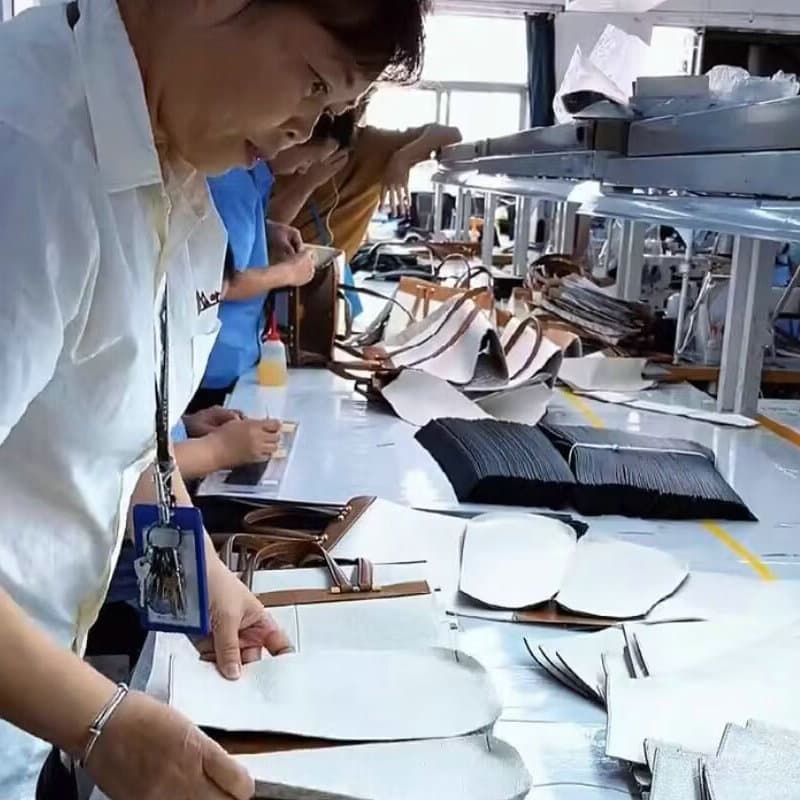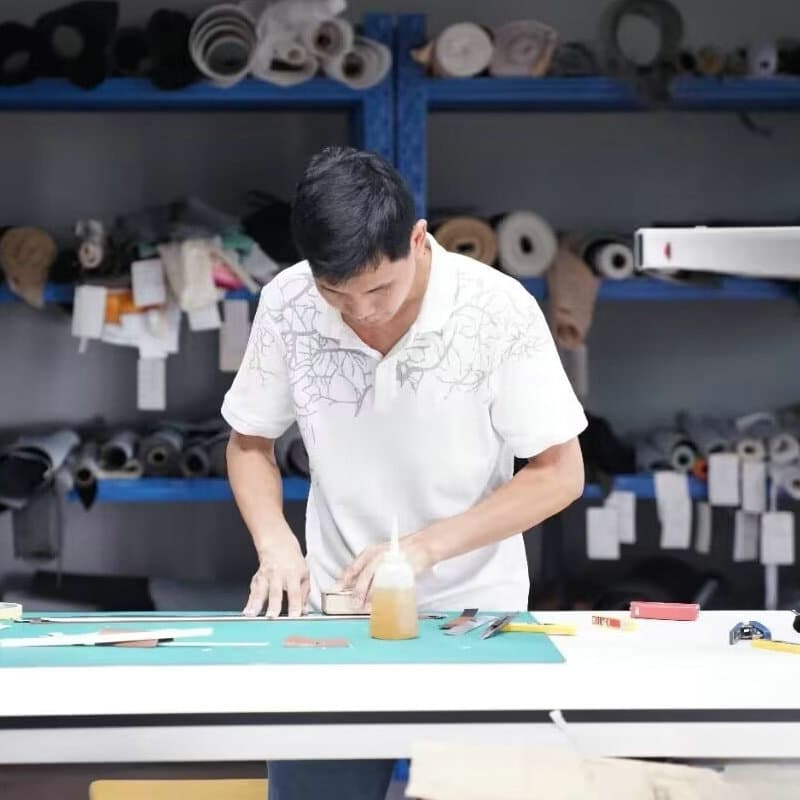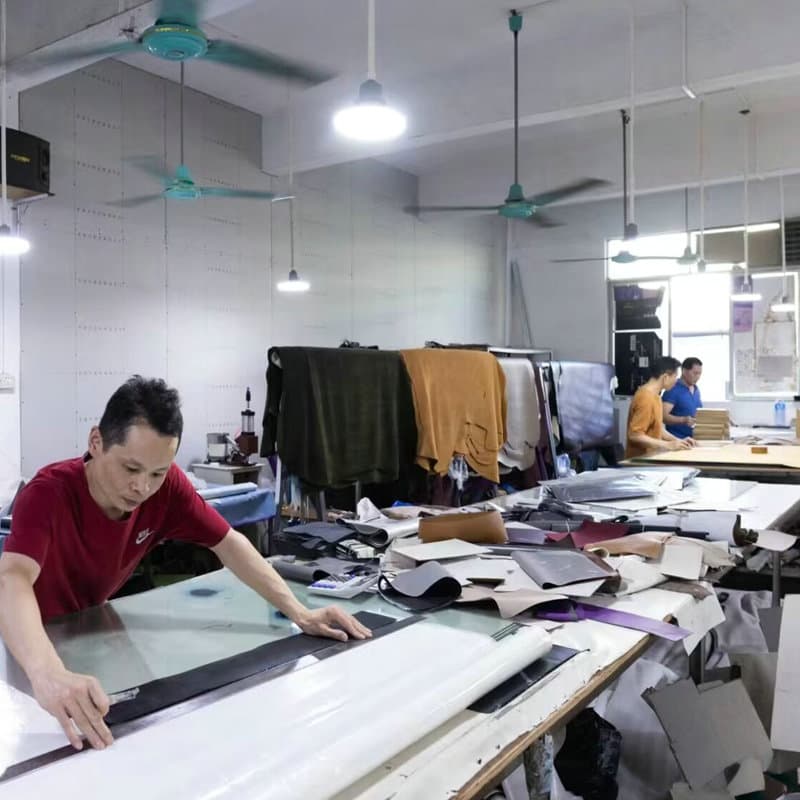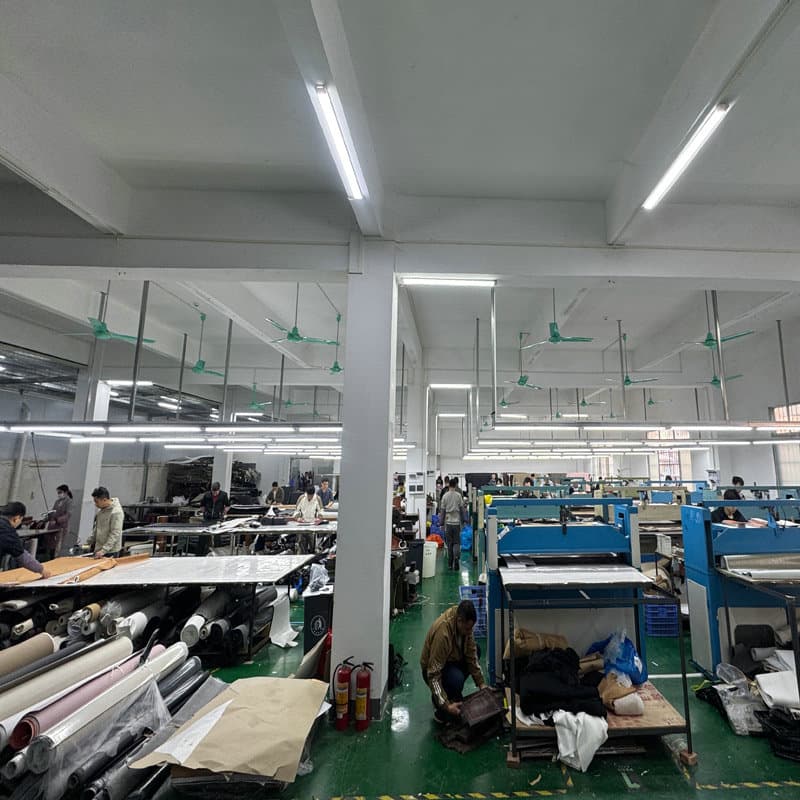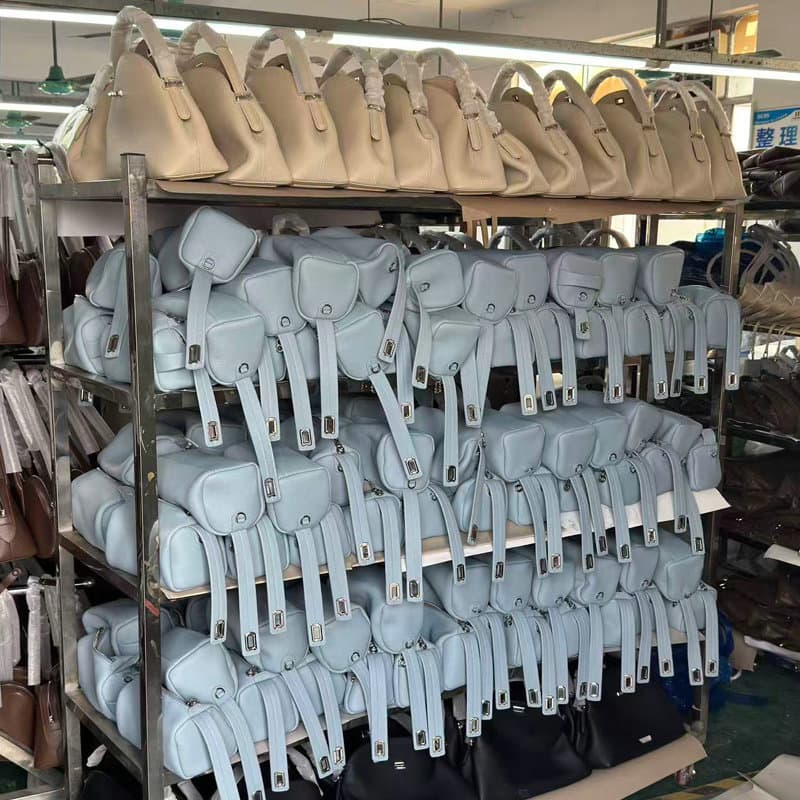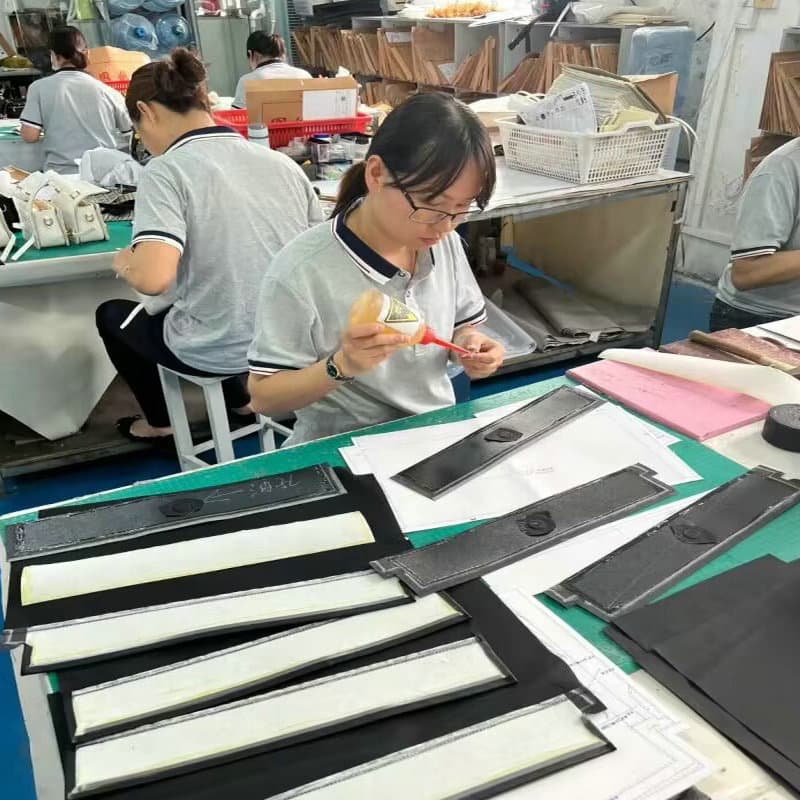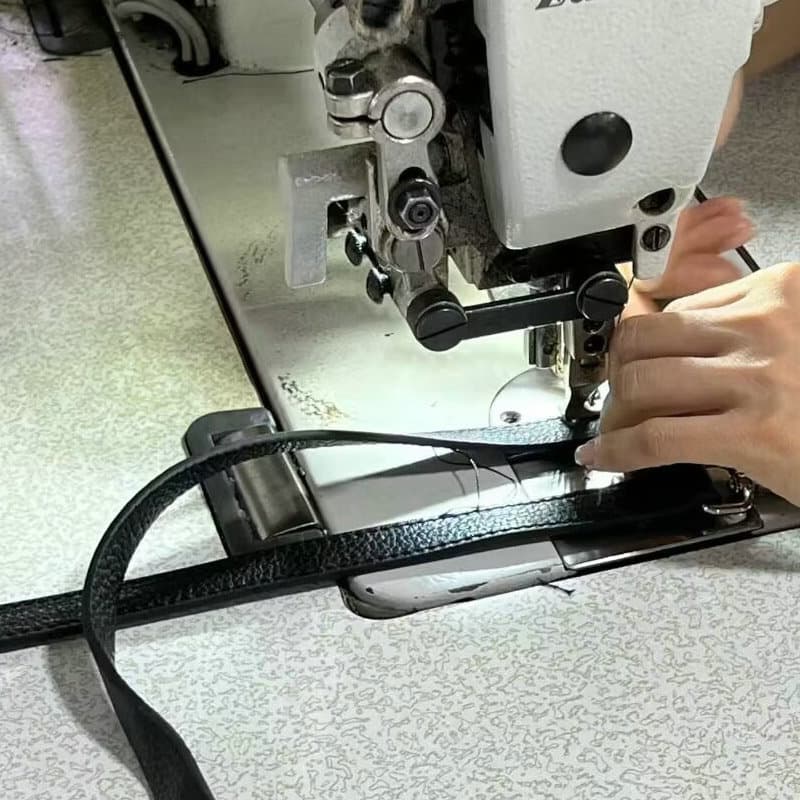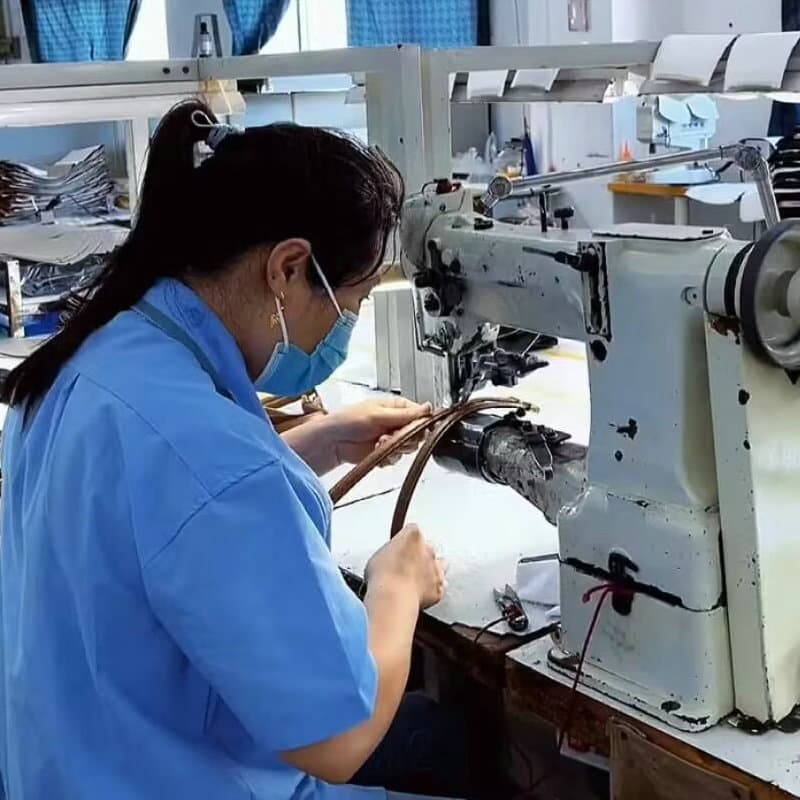
Branded gifts are products customized with a company name, logo, message, color system, or other recognizable brand detail. Businesses use them to thank clients, welcome employees, support events, strengthen partner relationships, and create a more consistent experience around a campaign or programme.
The phrase can cover many product types, from a simple event giveaway to a carefully packaged executive gift set. The important difference is that a branded gift is designed to carry part of the company’s identity. It needs to look intentional, work well in use, and represent the brand after it leaves the event, meeting, or office.
For B2B buyers, the goal is not to put a logo on any available product. It is to choose a product and customization method that work together.
The short answer
Branded gifts are useful products customized to represent a business or campaign. They may include a logo, color, message, custom packaging, or a combination of these. Effective branded gifts match the recipient and occasion, use a logo method suited to the material, and are approved through a clear sample and quality process before delivery.
What can make a gift “branded”?
Branding is more than a printed mark. Depending on the product, it can include one or several of the following elements:
- a company logo or wordmark;
- a brand color or color combination;
- a custom pattern, lining, label, or metal badge;
- a campaign message or event detail;
- a branded insert card or presentation box; and
- a product design detail that supports the brand’s look and use case.
For a premium leather gift, branding may be a small blind deboss that lets the material remain the focus. For an event pouch, a printed logo may need to be more visible. For a gift set, the main branding may appear on the box while the individual products use a more subtle finish.
Why businesses use branded gifts
To make a relationship more memorable
A useful item remains in a client’s workday, travel routine, or home. The brand is then present in a way that feels more considered than a one-time advertisement. This is why product relevance matters. A card holder, travel pouch, organizer, or luggage tag can offer repeated use when it suits the recipient.
To create consistency across a programme
Branded gifts can connect a conference, new-hire kit, product launch, client meeting, or retail campaign. Matching materials, colors, packaging, and message help different touchpoints feel like one programme rather than separate purchases.
To support employee and partner engagement
An onboarding kit or achievement gift can help employees feel recognized. A partner-event gift can make a meeting feel more considered. The product does not need to be expensive to be effective. It needs to feel appropriate, usable, and well presented.
To improve the experience around an event
At a conference or client event, a branded gift can become part of the welcome experience. It may hold event materials, support travel, or give attendees something useful to take away. The best event gifts are easy to distribute and practical after the event ends.
Branded gifts are not the same as any logo product
A product can carry a logo and still feel generic. The difference comes from the decisions behind it: who will use it, how it will be used, whether the material suits the brand, how the logo looks on the surface, and how the item is packed and delivered.
| Approach | Typical outcome |
|---|---|
| Select a stock item and add a logo without a clear brief | Fast, but may not fit the recipient or brand well |
| Choose a proven product, then select material, logo, and packaging intentionally | A practical, controlled branded gift programme |
| Develop a new product around a unique brief | More distinction and control, with more sampling and development time |
The right level of customization depends on the programme. An established product with a good material and logo treatment may be ideal for a time-sensitive event. A new executive gift may justify deeper product development.
Common branded gift categories
Wallets and card holders
Leather wallets and card holders can suit client appreciation, executive gifting, retail programmes, and employee recognition. They offer a clear location for blind debossing, foil stamping, laser engraving, or a small metal badge. Buyers should check card capacity, fold shape, edge finish, lining, and logo placement on a physical sample.
Passport holders and luggage tags
Travel accessories are relevant for incentive trips, global conferences, travel retail, and client events. They can also form part of a coordinated gift set. The buyer should test passport fit, card slots, strap strength, hardware, and packaging before production.
Cosmetic bags and organizer pouches
Pouches are flexible products for employee, wellness, hospitality, travel, and beauty-related programmes. The right specification may include water-resistant lining, an easy-to-clean surface, a zipper that performs smoothly, and enough interior space for the intended contents.
Shopping bags and work accessories
Tote bags, work bags, sleeves, and organizers can support daily routines. They need to be selected around actual carrying needs: laptop size, handle length, closure type, weight, lining, and reinforcement points. A logo alone cannot solve a product that is not practical to use.
Gift sets and packaging
A set combines items around a specific moment, such as travel, a new role, a product launch, or an annual client programme. The packaging should be designed alongside the products so color, logo placement, tissue, inserts, and protection work together.
How logo customization works
The best method depends on the artwork, product material, quantity, desired visibility, and brand style. Ask to see the method on a comparable material whenever possible.
Debossing
Debossing presses the logo into a suitable material. It can create a subtle, refined look on leather and leather-like surfaces. The result depends on grain, thickness, logo detail, and the size of the mark.
Foil stamping
Foil stamping combines an impression with metallic or colored foil. It can add contrast and make a logo more visible on a product. Buyers should approve the foil color and test fine artwork at the intended size.
Laser engraving
Laser engraving removes or changes the surface layer to create a precise mark. It can suit fine line artwork on compatible materials. The color and depth of the result depend on the material, so a sample is important.
Screen or UV printing
Printed methods can be useful when the logo requires color or a larger visible mark. They should be matched to the product surface and expected handling. Ask how the finish performs with normal use, friction, and cleaning.
Metal plaques and custom hardware
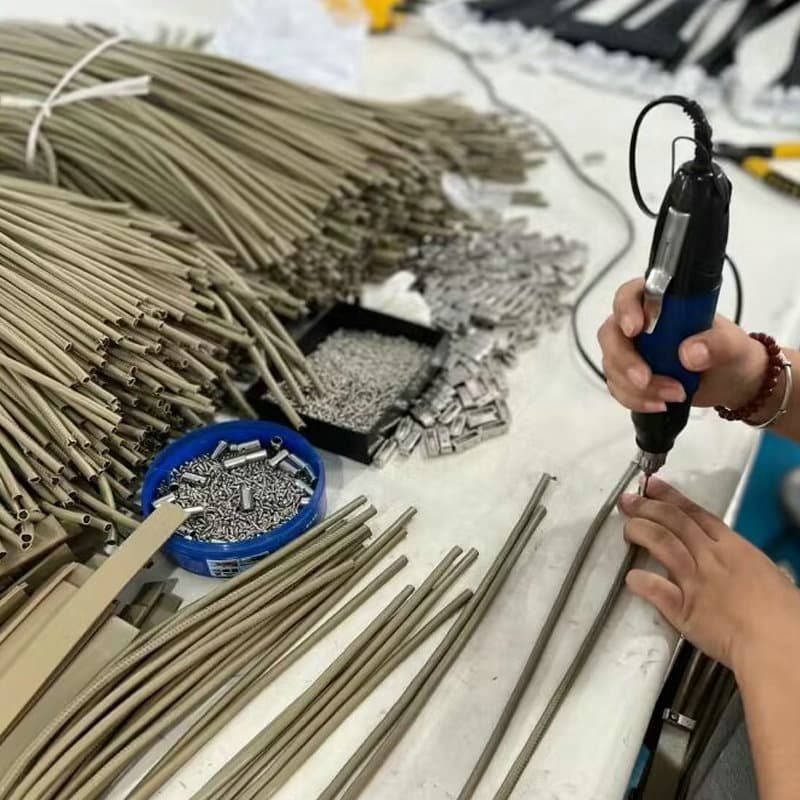
A metal detail can add a distinctive premium element. It also introduces decisions about finish, attachment, tooling, and pack-out protection. This route may be best for an executive or retail-oriented programme rather than a large, time-sensitive campaign.
A practical process for buying branded gifts
1. Write a short project brief
Include the recipient, use case, quantity, target date, product type, brand assets, packaging needs, destination, and budget direction. This helps the supplier recommend an appropriate route rather than guessing.
2. Select the product before finalizing the logo method
The logo method should follow the material and product surface. A method that looks good on a smooth PU pouch may not look the same on natural leather with visible grain. Start with a product and material direction, then review branding options.
3. Confirm samples and approval points
Decide whether you need material swatches, a logo strike-off, a development sample, or a pre-production sample. Record final logo size, placement, color, packaging, and other visible requirements in writing.
4. Plan packaging and delivery together
Individual protection, barcode labels, gift boxes, shipping marks, carton quantity, and destination requirements should be part of the same plan. Presentation and logistics both affect the final recipient experience.
5. Check finished goods against the approved reference
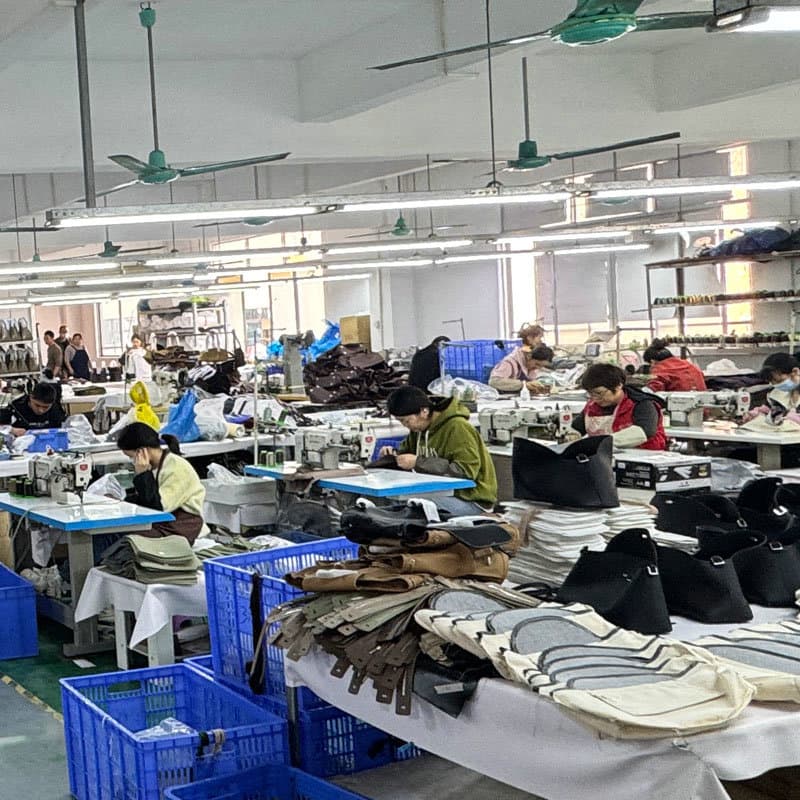
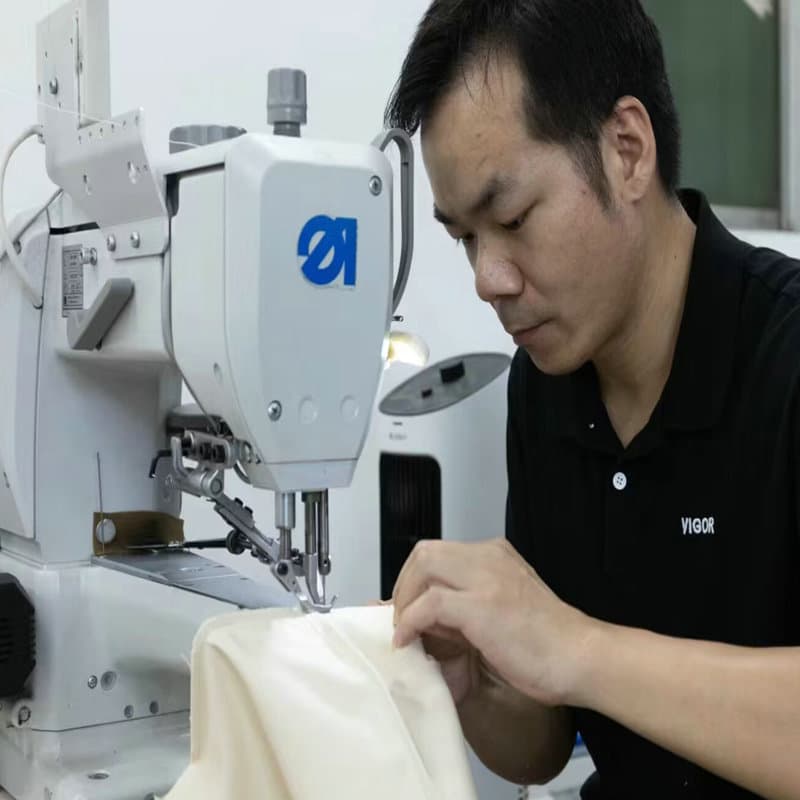
Before dispatch, confirm workmanship, color, logo position, function, quantity, individual packing, carton condition, and shipping labels. This is the point where the original brand intention needs to remain intact at scale.
Questions to ask before placing an order
- Which logo methods work best on this product and material?
- What artwork file is required for the chosen method?
- What is the minimum order quantity for this product, material, and packaging route?
- What will the sample show, and what can still change after approval?
- How will logo placement and color be checked in production?
- What is included in individual packaging and export carton packing?
- What production timing begins after the sample is approved?
Clear answers make the project easier to control and make supplier quotations more comparable.
Common mistakes to avoid
Choosing a product only because it has a large logo area
Visibility is useful, but it should not override function. A smaller, useful product with a well-considered logo often has more long-term value than a large item that is not used.
Approving the logo without approving the product
Artwork approval is only one part of the project. Material, stitching, dimensions, closure, color, and packaging need to be checked as well.
Ignoring packaging until the end
Packaging changes cost, handling, carton size, and first impression. Decide early whether the recipient needs simple protection, a presentation box, an insert, or a fully assembled gift set.
FAQ
Can any product become a branded gift?
Many products can be branded, but not every product is right for every programme. The item should suit the recipient, the occasion, and the intended logo method.
What logo method is best for branded leather gifts?
There is no universal best method. Debossing can be refined and subtle, foil can add contrast, laser can support detailed artwork, and printing can show color. The material and approved sample should guide the choice.
Are branded gifts only for corporate events?
No. Businesses use them for employee onboarding, client appreciation, retail projects, partner programmes, incentives, and product launches as well as events.
Do branded gifts need custom packaging?
Not always. Simple protective packing may be suitable for some programmes. Custom packaging is most useful when it improves presentation, retail readiness, distribution, or the message around the gift.
Conclusion
Branded gifts turn a useful product into a tangible brand experience. The strongest results come from aligning the recipient, product, material, logo method, packaging, and delivery plan. When those elements are approved together, the finished gift can feel both practical and recognizably yours.
CTA: Create branded gifts for your programme
MHERDER helps B2B buyers develop custom leather gifts with logo customization, sampling, quality control, packaging, and global delivery support. Request a project review to discuss your product idea and next steps.