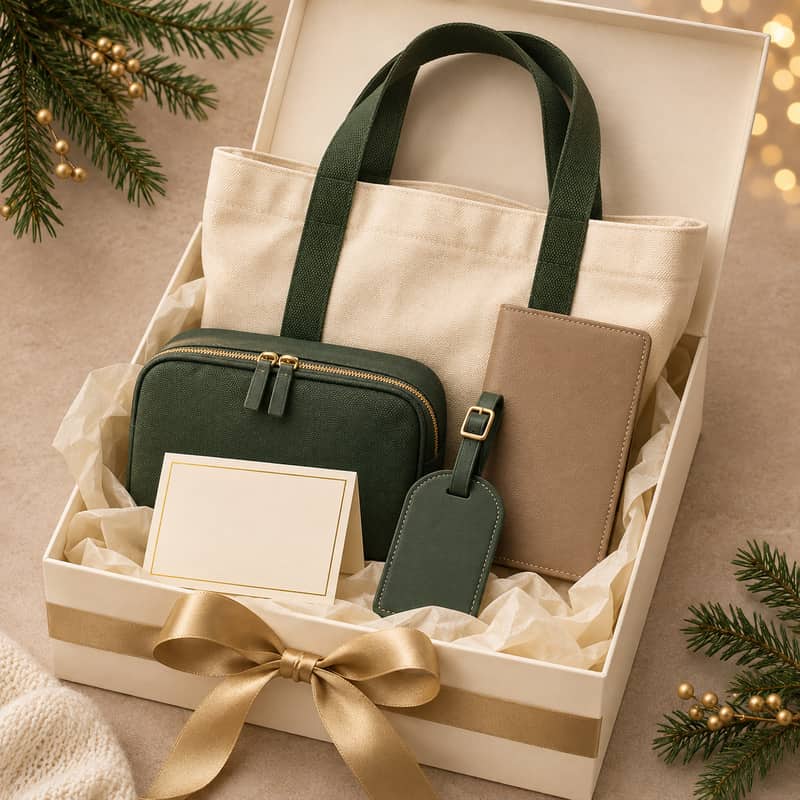
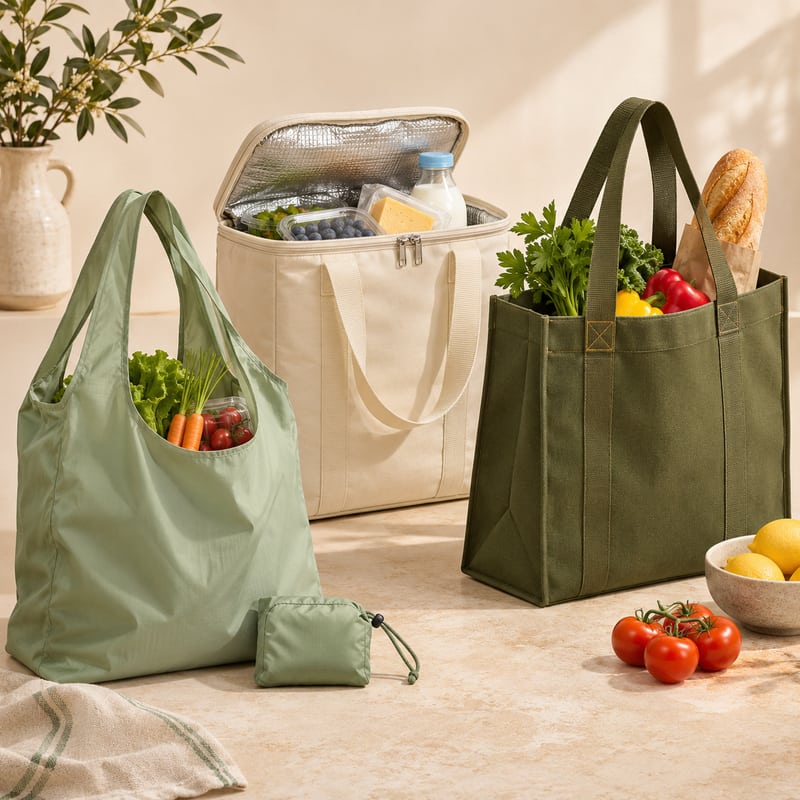
Key insight
Choose a foldable bag for spontaneous shopping, an insulated tote for transporting chilled items with a suitable cold source, and a reinforced shopper for larger planned loads. Test the actual packed contents, handle comfort and storage size. Confirm any load rating or cooling-duration claim with the selected design’s test conditions.
Reusable shopping bags for groceries look simple until a brand has to choose one for real customers, members, or event visitors. The wrong bag feels bulky, cheap, or inconvenient, so it stays at home. The right bag fits the shopping habit, carries comfortably, and keeps the brand visible through repeated use.
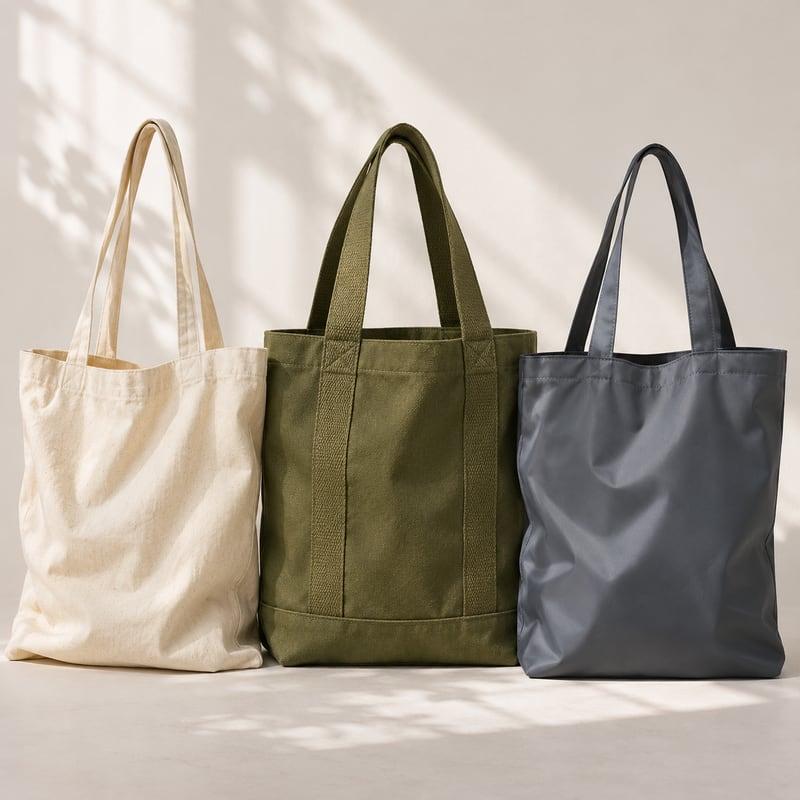
The best reusable shopping bags for groceries are not one universal style. Foldable bags work best for everyday carry and spontaneous shopping, insulated bags suit chilled or frozen items, and heavy-duty bags fit planned grocery trips with larger loads. Brands should choose by use case, comfort, structure, and perceived quality—not size alone.
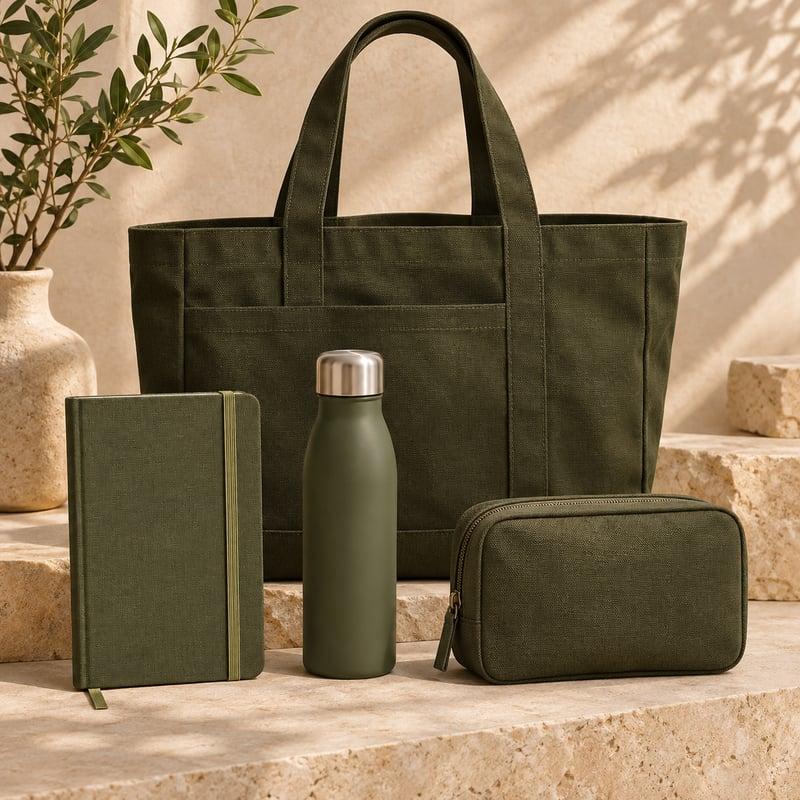
Giftvera often sees brands start with one question: “Which bag looks most premium?” That is understandable, but it is not the best starting point. A grocery bag becomes valuable only when people actually take it, carry it, reuse it, and feel good seeing the logo on it.
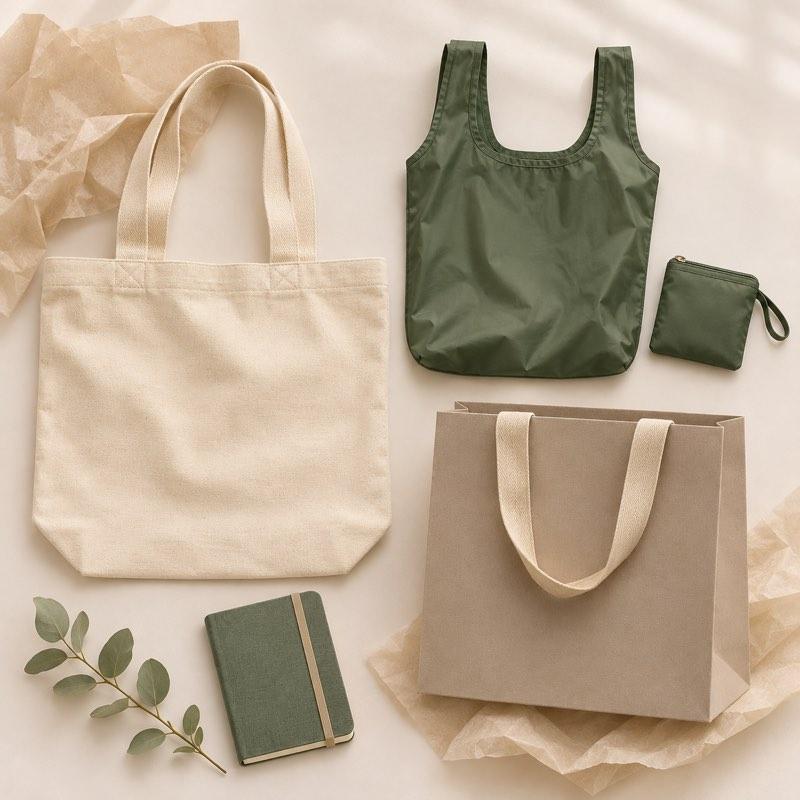
Explore Giftvera’s custom shopping bags for bag shapes and customization options.
What makes reusable shopping bags for groceries the best choice for a brand gift?
A grocery bag can look useful on paper but fail in daily life. It may be too large for quick errands, too weak in structure, or too awkward to fold. When that happens, the recipient does not blame the specification sheet. The recipient simply stops using the bag.
The best reusable shopping bags for groceries match the user’s shopping routine, carrying comfort, and storage habits. For branded gifts, the strongest choice is usually the bag people reuse often, not the one with the thickest fabric or the largest stated capacity.
Dive deeper
Giftvera approaches grocery bags from a promotional product selection angle. That means the question is not only, “Can this bag hold groceries?” The better question is:
Will the recipient keep this bag nearby and feel comfortable using it in public?
That single question changes the selection process. A bag can be technically stronger but practically weaker if it is too bulky to carry. A bag can be inexpensive but still successful if it folds neatly and feels decent in the hand. For brand owners, retailers, and marketing teams, usefulness creates exposure. A reusable bag that travels in a handbag, backpack, stroller, or car will be seen more often than a premium-looking bag left in a closet.
The real evaluation criteria
When Giftvera discusses reusable bag projects with clients, the practical details usually matter more than the headline specs.
| Evaluation point | Why it matters in grocery use | What brands should check |
|---|---|---|
| Carrying habit | People shop differently. Some buy a few items daily. Others do weekly stock-ups. | Match bag type to the shopping scenario. |
| Handle comfort | Thin or short handles feel uncomfortable when the bag is full. | Check handle width, length, stitching, and shoulder fit. |
| Bottom structure | A weak bottom makes cartons, bottles, or produce sit unevenly. | Review gusset depth, base support, and seam construction. |
| Folding method | If folding is annoying, people will not carry it daily. | Compare pouch, snap, elastic loop, or self-folding design. |
| Branding area | A logo needs to be visible without overwhelming the design. | Confirm print size, position, contrast, and durability expectations. |
| Perceived quality | A poor-looking gift can weaken brand perception. | Check fabric feel, stitch consistency, color matching, and finishing. |
Bigger is not always better
Many buyers assume a larger grocery tote is automatically more valuable. Giftvera would treat capacity as only one part of the decision. A very large bag may become uncomfortable when full. It may also look sloppy if the fabric is thin and the base has no structure.
A better grocery bag balances:
- Useful volume
- Comfortable carry
- Reasonable folded size
- Good appearance when branded
- Quality that matches the campaign budget
For example, a supermarket loyalty program may benefit from a medium-sized foldable bag because customers can keep it in a purse or car door pocket. A premium food delivery brand may prefer an insulated tote because it connects with freshness and care. A warehouse-style retail promotion may need a heavy-duty non-woven, canvas, or laminated tote with a stronger base.
Procurement note for brands
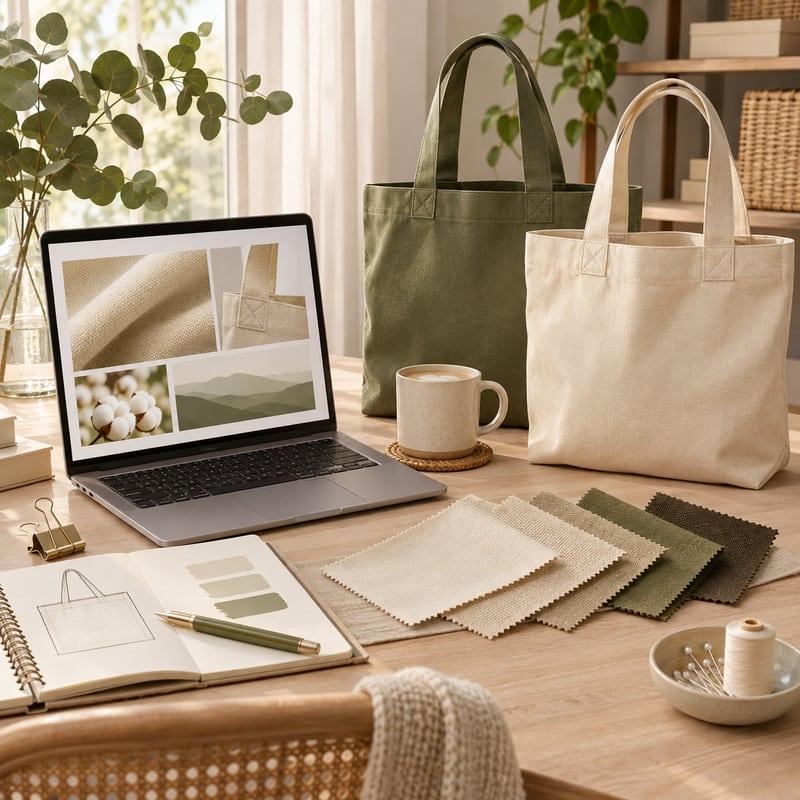
For branded gift orders, Giftvera recommends checking a physical sample before mass production. Photos can show shape and color, but they do not fully show handle comfort, folding convenience, stitching neatness, or how the logo feels on the material. Buyers should also verify any supplier claims about material composition, recycled content, or compliance documents instead of relying only on sales descriptions.
When are foldable reusable shopping bags for groceries the right pick?
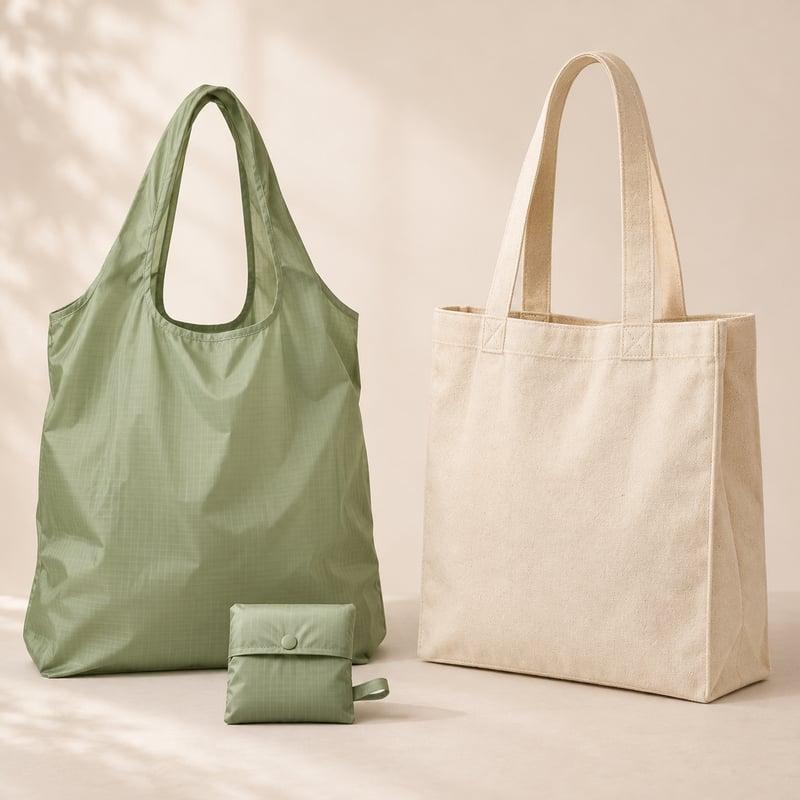
Many shoppers forget their grocery bags because the bags are not with them at the moment of purchase. This is the main problem foldable bags solve. If a bag is light, compact, and easy to store, it has a much better chance of being used.
Foldable reusable shopping bags for groceries are best for frequent carry, unplanned purchases, and light-to-medium grocery runs. They suit retail campaigns, membership gifts, and event giveaways because recipients can keep them in a pocket, handbag, backpack, or car without much effort.
Dive deeper
Foldable bags are often the most practical promotional grocery bag type because they remove friction. The user does not need to plan. The bag can be carried “just in case.” That matters for urban shoppers, commuters, travelers, students, and anyone who buys groceries after work.
Giftvera sees foldable bags as a strong fit when the brand goal is repeat visibility. The bag does not need to look extremely premium. It needs to be convenient enough to become part of the recipient’s routine.
Compare storage formats in the foldable shopping bags and everyday totes guide.
Common foldable bag structures
Foldable grocery bags come in several structures. Each style affects cost, usability, and branding.
| Foldable style | Best for | Branding advantage | Watch-outs |
|---|---|---|---|
| Built-in pouch bag | Daily carry and retail giveaways | Logo can appear on pouch and bag body | Folding must be intuitive. |
| Separate pouch bag | Gift sets and travel kits | Pouch can use contrast color or secondary logo | Pouch can be lost. |
| Elastic loop fold | Simple grocery promotions | Lower bulk and easy closure | Folded shape may look less neat. |
| Snap-button fold | Member gifts and lifestyle campaigns | Clean folded presentation | Snap placement must align well. |
| Keychain pouch bag | Event giveaways and convenience stores | Easy to attach to keys or bags | Smaller capacity may limit use. |
Materials that often make sense
For foldable reusable grocery bags, common material choices include:
- Polyester: Lightweight, smooth, and easy to fold.
- Nylon: Soft handfeel and compact folding, often used for travel-style bags.
- RPET fabric: Popular when brands want recycled-material positioning, but documentation should be verified.
- Thin canvas or cotton blends: Natural look, but less compact than synthetic fabrics.
Giftvera does not recommend choosing material only by trend. A foldable grocery bag must fold smoothly and reopen easily. Some fabrics look better flat but become bulky when folded. Others fold small but may feel too thin for the brand’s desired image.
What to check before ordering
A foldable bag should pass a basic user-experience review. Giftvera usually suggests checking these points on the sample:
- Can the bag be folded in under 15–20 seconds?
If the folding process feels like a puzzle, the user will not repeat it.
- Does the pouch look neat after folding?
A messy folded shape can make the gift feel cheap.
- Are the handles comfortable enough for groceries?
Thin handles may be acceptable for light items but uncomfortable for bottles or canned goods.
- Does the logo look good when the bag is in use and when folded?
For foldable designs, the pouch is often the first thing the user sees.
- Does the fabric color support the brand?
Very light colors may show dirt quickly. Very dark colors may reduce logo contrast.
Best brand-use scenarios
Foldable reusable shopping bags for groceries work especially well for:
- Retail member gifts
- Beauty and lifestyle brand purchases-with-gift
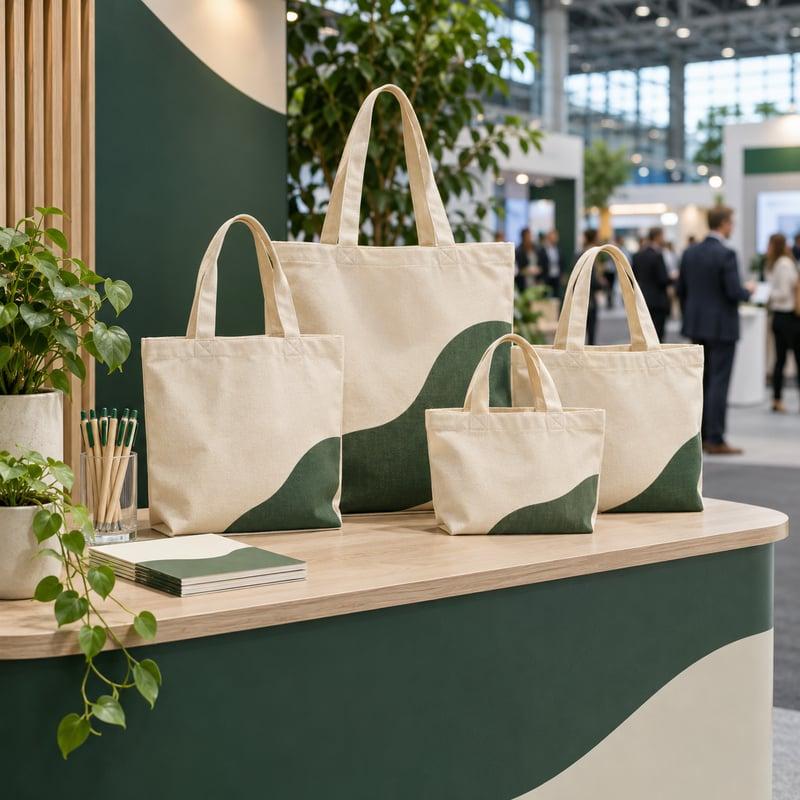
- Trade show giveaways
- Travel retail campaigns
- University or campus promotions
- Eco-themed marketing events, with verified material claims where applicable
Giftvera’s practical view is simple: if the recipient can keep the bag close, the brand gets more chances to be seen.
When do insulated reusable shopping bags for groceries make sense?
Temperature-sensitive groceries create a different problem. A standard bag may carry the items, but it does not communicate care for chilled food, frozen products, meal kits, or fresh purchases. If the product category involves freshness, a normal tote can feel incomplete.
Insulated reusable shopping bags for groceries make sense when the shopping trip includes chilled, frozen, or heat-sensitive items. They are a strong fit for food brands, supermarkets, meal-kit promotions, hotel welcome gifts, and campaigns where freshness, care, and convenience support the brand message.
Dive deeper
Insulated bags are not just “grocery bags with thicker walls.” They create a different user expectation. When a person receives an insulated grocery bag, that person may associate the brand with freshness, food safety awareness, family use, picnics, or premium service.
However, brands should be careful with unsupported claims. Unless a bag has been tested under defined conditions, it is better not to promise a specific cooling duration. Temperature performance depends on many factors:
- Outside temperature
- Starting temperature of the groceries
- Whether ice packs are used
- Bag size and empty space
- Opening frequency
- Material and closure design
- Time spent in transit
Giftvera recommends using practical wording such as “insulated grocery tote”, “helps carry chilled items”, or “suitable for grocery trips and food gifting” unless verified test data supports stronger claims.
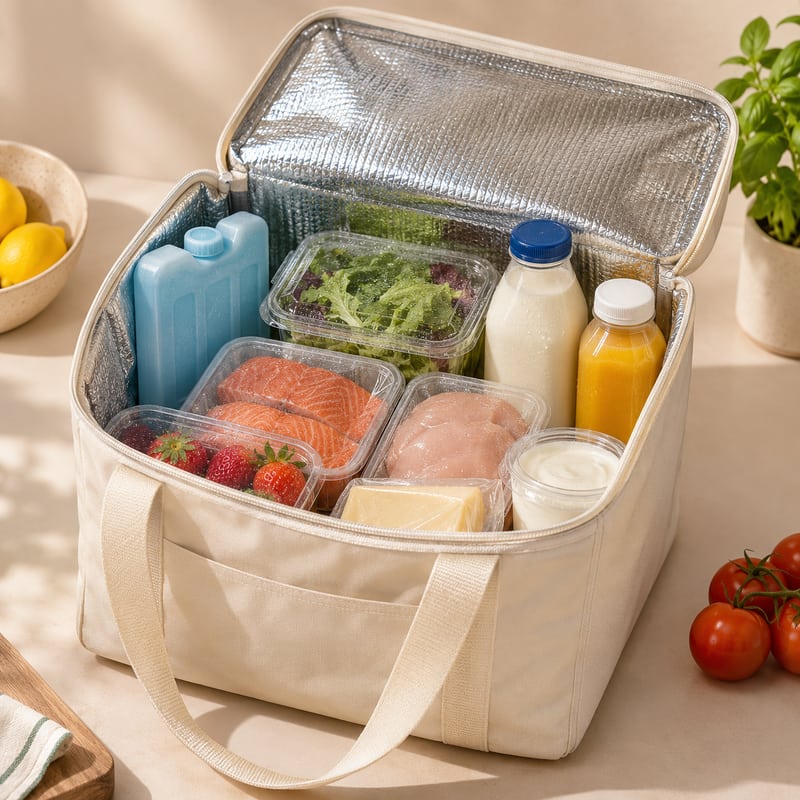
For chilled groceries, keep perishables cold during transport and refrigerate promptly. Review the FDA’s grocery and refrigeration guidance.
Typical insulated bag features
| Feature | Why it matters | Buyer note |
|---|---|---|
| Insulated lining | Helps separate groceries from outside temperature changes | Check lining smoothness and seam finish. |
| Zipper closure | Reduces exposure compared with an open tote | Test zipper movement on a full sample. |
| Boxy structure | Helps containers sit upright | Review base width and side stiffness. |
| Wipeable interior | Useful for spills and condensation | Confirm cleaning guidance from supplier. |
| Long handles | Supports shoulder carry | Check comfort when the bag is loaded. |
| Front pocket | Adds practical value | Useful for receipts, coupons, or loyalty cards. |
Where insulated grocery bags work best
Insulated reusable shopping bags for groceries are especially useful for brands connected to food, wellness, travel, or family routines. Examples include:
- Supermarket loyalty programs
- Frozen food promotions
- Fresh produce campaigns
- Meal-kit or prepared-food brands
- Hotel picnic or welcome sets
- Corporate wellness gifts
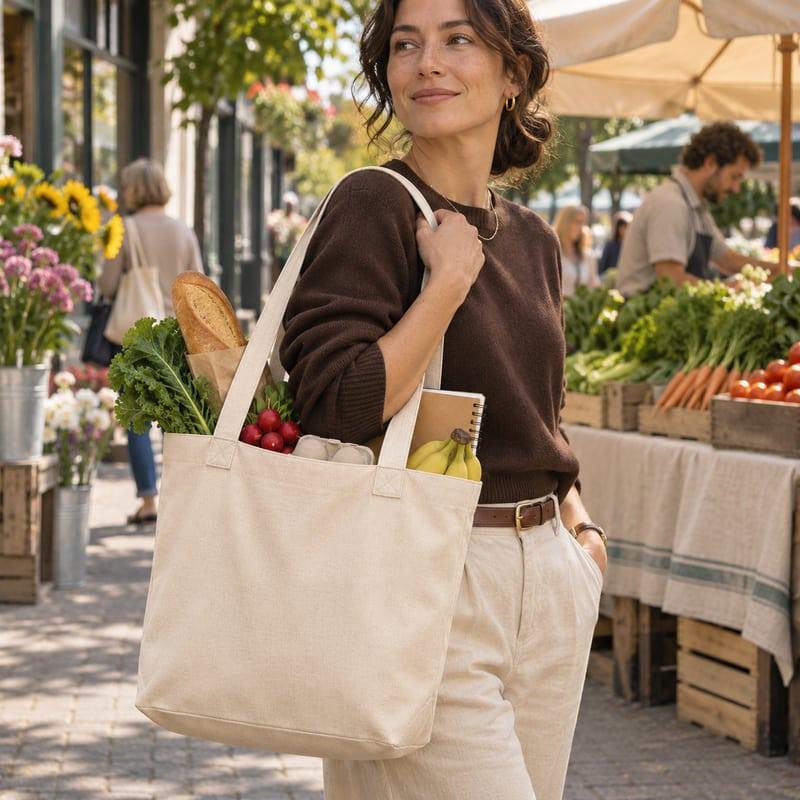
- Farmers’ market campaigns
For a premium grocery chain, an insulated tote can feel more aligned than a basic foldable bag. For a beauty brand, it may make sense only if the campaign connects to summer, travel, picnics, or lifestyle gifting.
Branding and design considerations
Insulated bags usually have more structure than foldable bags. This can make the logo display better, especially on a front panel. However, it also means the bag takes up more storage space. That affects shipping cost, warehouse storage, and recipient convenience.
Giftvera usually looks at four design details:
- Shape
A rectangular tote feels practical for groceries. A lunch-bag shape may feel too small for supermarket use.
- Closure
A zipper is more useful than an open top for chilled items. However, the zipper must feel smooth and strong.
- Interior finish
A neat lining improves perceived quality. Wrinkled or poorly attached lining weakens the impression.
- Logo placement
A large front panel can work well, but the logo should not make the bag look like disposable advertising. Subtle branding often feels more premium.
Procurement and quality-control checks
Before ordering insulated grocery bags, brands should review samples for:
- Stitching around handles and zipper ends
- Lining attachment and interior seams
- Odor from materials or adhesives
- Zipper strength and ease of use
- Shape retention after packing
- Print quality on textured material
- Carton packing method to avoid crushing
If a supplier mentions specific insulation performance, buyers should ask for the test method, conditions, and documentation. Without that, the claim should be treated as a general marketing statement, not a verified performance guarantee.
When are heavy-duty reusable shopping bags for groceries worth choosing?
Planned grocery trips create a different carrying problem. A shopper may need to carry bottles, cartons, produce, household items, or bulk purchases. A small foldable bag can be convenient, but it may not feel stable enough for a large weekly shop.
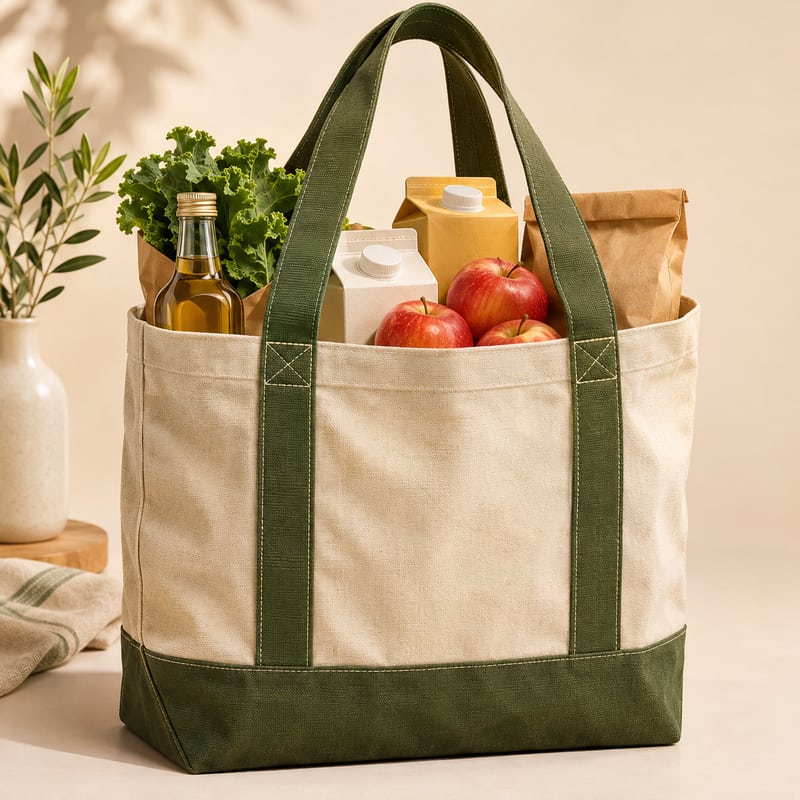
Heavy-duty reusable shopping bags for groceries are worth choosing when users need stronger structure, larger volume, reinforced handles, and a more stable base. They work well for supermarkets, warehouse retailers, corporate family gifts, and campaigns where durability and high perceived value matter.
Dive deeper
Heavy-duty grocery bags can be excellent branded gifts, but they are often misunderstood. “Heavy-duty” should not mean “make everything thicker.” A useful heavy-duty bag needs the right balance of material, construction, and ergonomics.
A very thick bag with poor handles can still be uncomfortable. A large bag with no structured bottom can collapse when filled. A strong-looking tote with weak stitching can disappoint quickly. For this reason, Giftvera focuses on construction details rather than only fabric weight.
Common heavy-duty material options
| Material type | Typical impression | Good fit | Watch-outs |
|---|---|---|---|
| Laminated non-woven | Retail, colorful, structured | Supermarket promotions and large campaigns | Surface may crease; check lamination quality. |
| Canvas | Natural, sturdy, lifestyle-oriented | Premium brand gifts and retail merchandise | Higher weight and cost; may shrink or wrinkle depending on fabric. |
| Polyester Oxford | Practical and durable-looking | Corporate gifts and daily utility bags | Fabric thickness and coating vary widely. |
| PP woven | Strong retail-shopping look | Bulk grocery and warehouse-style bags | May feel less premium for lifestyle brands. |
| Jute or cotton blends | Natural and rustic | Farmers’ markets and food brands | Handle comfort and fabric shedding should be checked. |
The hidden details that matter
Giftvera recommends evaluating heavy-duty reusable shopping bags through construction details:
- Handle attachment: Cross-stitching, bar tack reinforcement, or extended handle webbing can improve perceived strength.
- Handle length: Short handles may work for hand carry but not shoulder carry.
- Bottom gusset: A wide gusset helps the bag stand and fit grocery items.
- Base insert: Some bags use a removable or sewn-in base support.
- Seam finishing: Bound seams often look cleaner and may improve durability.
- Edge binding: Neat binding can make the bag look more premium.
- Print method: Screen print, heat transfer, woven label, or patch branding create different impressions.
Capacity can mislead buyers
A large grocery bag may appear more valuable in a catalog. But when it is full, it may become too heavy for comfortable use. For many grocery applications, two medium bags can be more practical than one oversized bag.
Brands should consider:
- Can the average recipient lift the bag when full?
- Will the bag fit in a car trunk, shopping cart, or home storage area?
- Will the base stay stable when loaded with mixed groceries?
- Will the logo still look good when the bag is stretched or filled?
- Does the bag match the brand’s price position?
A premium skincare brand may not want a very large warehouse-style PP woven bag. A supermarket brand may find that same structure perfect for a weekly grocery campaign. Context decides value.
Best uses for heavy-duty grocery bags
Heavy-duty reusable shopping bags for groceries fit best when the campaign expects planned use:
- Weekly grocery shopping
- Warehouse club purchases
- Corporate employee family gifts
- Retail opening campaigns
- Holiday food hamper packaging
- Farmers’ market membership gifts
- Premium supermarket loyalty gifts
Giftvera also sees heavy-duty bags used as packaging for gift sets. For example, a grocery-themed corporate gift may include snacks, a bottle, and a reusable tote. In that case, the bag serves two roles: it presents the gift and continues working after the items are removed.
How should brands compare reusable shopping bags for groceries before ordering?
A brand may compare bag options by price first because budgets are real. But price alone does not reveal whether the bag will be reused, whether the logo will look right, or whether the recipient will see the gift as thoughtful.
Brands should compare reusable shopping bags for groceries by use case, material, handle comfort, structure, folding or storage convenience, branding method, sample quality, and supplier reliability. The best choice is the bag that supports the campaign goal and feels practical in the recipient’s daily life.
Dive deeper
Giftvera suggests comparing reusable grocery bags with a simple decision framework before discussing final decoration and packaging. This helps marketing teams avoid a common mistake: choosing the bag that looks best in a product photo but does not fit the recipient’s actual shopping behavior.
Step 1: Define the grocery scenario
Start with the use case, not the material.
| Scenario | Best starting option | Why |
|---|---|---|
| Quick after-work shopping | Foldable bag | Easy to carry every day |
| Chilled or frozen grocery purchases | Insulated bag | Matches freshness needs |
| Weekly family grocery trip | Heavy-duty bag | Better structure and volume |
| Retail membership giveaway | Foldable or insulated bag | Depends on customer shopping pattern |
| Premium supermarket campaign | Insulated or structured heavy-duty bag | Higher perceived value |
| Event giveaway | Foldable bag | Easy to distribute and transport |
| Food gift set packaging | Heavy-duty or insulated bag | Bag can hold gift items and remain useful |
This step keeps the decision practical. A foldable bag may outperform a more expensive insulated bag if the campaign goal is everyday brand exposure. An insulated bag may outperform a foldable bag if the brand sells frozen meals.
Step 2: Review the user’s carrying experience
A reusable grocery bag must feel comfortable when filled. Giftvera recommends checking:
- Handle drop length: Can it be carried on the shoulder?
- Handle width: Does it cut into the hand?
- Bag depth: Do groceries sit too deep or too shallow?
- Opening size: Is it easy to load cartons and produce?
- Base stability: Does it stand or collapse?
- Weight when empty: Is it too heavy to carry often?
A bag that looks premium but feels uncomfortable will not generate long-term brand value.
Step 3: Match quality level to brand perception
The bag becomes part of the brand experience. A discount supermarket may want a bright, practical, high-volume bag. A boutique food brand may need softer colors, cleaner stitching, and more subtle branding. A corporate wellness campaign may prioritize neat presentation and useful structure.
Giftvera often frames this as a brand-perception question:
If this bag were the first physical item a customer received from the brand, would it support the message or weaken it?
That question is especially useful for promotional products. A bag that looks too cheap can make a thoughtful campaign feel careless. At the same time, overbuilding the product can waste budget if the audience only needs a lightweight daily bag.
Step 4: Check supplier and sample details
For B2B orders, supplier evaluation matters. Buyers should request clear information before placing production orders.
Useful checks include:
- Sample review
Check size, color, handle comfort, stitching, folding, lining, and print quality.
- Material confirmation
Ask for material details. If recycled content or special claims are important, request documents.
- Logo proofing
Review digital proof and, when possible, a physical pre-production sample.
- Production tolerance
Confirm acceptable variation in size, color, and logo placement.
- Packing method
Foldable bags, insulated bags, and structured heavy-duty bags may need different packing methods.
- Quality inspection plan
Define what will be checked before shipment, such as quantity, workmanship, print defects, stains, and packing.
- Delivery schedule
Confirm sampling time, production time, and shipping time based on the campaign date.
Review decoration and packing options in the Giftvera customization guide.
Step 5: Think about customization after the bag type is right
Customization matters, but it should come after the bag type is chosen. For reusable shopping bags for groceries, common custom options include:
- Logo printing
- Custom fabric color
- Contrast handles
- Woven labels
- Zipper pulls
- Pocket design
- Interior lining color
- Fold pouch shape
- Retail packaging
- Gift-box or set packaging
Giftvera can support brands with product recommendation, sample development, logo placement, packaging coordination, quality checks, and shipment planning. For most bag projects, PU, nylon, canvas, and related fabric items may start from around 100–200 pieces, while more specialized material or construction choices can change the minimum order quantity.
How can brands choose between foldable, insulated, and heavy-duty grocery bags?
A brand can feel stuck when all three bag types seem useful. Foldable bags are convenient. Insulated bags feel thoughtful. Heavy-duty bags look practical and substantial. The real risk is choosing by appearance instead of user behavior.
Brands should choose foldable bags for everyday carry, insulated bags for chilled or freshness-related grocery use, and heavy-duty bags for larger planned shopping trips. The right choice depends on when the recipient will use the bag, how often, and what the brand wants the gift to communicate.
Dive deeper
Giftvera likes to simplify the decision into three questions:
- Will the recipient carry the bag every day?
- Will the recipient use the bag for temperature-sensitive items?
- Will the recipient use the bag for planned larger grocery trips?
The answers usually point to the right category.
Quick decision table
| Buyer priority | Best option | Reason |
|---|---|---|
| Maximum everyday convenience | Foldable bag | It stays close and supports spontaneous shopping. |
| Freshness-related brand message | Insulated bag | It fits chilled, frozen, picnic, and food-care scenarios. |
| Higher perceived strength | Heavy-duty bag | It feels substantial and suits larger grocery trips. |
| Low storage and easy event distribution | Foldable bag | It packs compactly and ships efficiently. |
| Premium supermarket gift | Insulated or heavy-duty bag | Structure can increase perceived value. |
| Broad public giveaway | Foldable bag | It fits many users and shopping habits. |
| Family grocery use | Heavy-duty bag | It handles larger planned shopping better. |
How each bag type communicates brand value
Each type sends a different message.
Foldable reusable grocery bags communicate:
- Convenience
- Mobility
- Everyday usefulness
- Light lifestyle habits
- Practical sustainability positioning, when claims are verified
Insulated reusable grocery bags communicate:
- Freshness
- Care
- Food awareness
- Family convenience
- Higher perceived function
Heavy-duty reusable grocery bags communicate:
- Strength
- Preparedness
- Value
- Retail practicality
- Long-term utility
This matters because promotional gifts are not neutral. A bag tells the recipient something about the brand. If the style and message conflict, the gift feels less natural.
Example selection scenarios
Scenario 1: Beauty brand gift-with-purchase A foldable bag may be best because the audience may use it for light shopping, commuting, or travel. A soft color and compact pouch can match the brand’s lifestyle image.
Scenario 2: Premium grocery chain loyalty reward An insulated tote may feel more aligned because it supports chilled products and suggests care for food quality. A clean logo on the front panel can look professional.
Scenario 3: Corporate employee holiday gift A heavy-duty grocery tote may work well if the gift set includes snacks, wine alternatives, or household items. The bag also remains useful for family grocery trips.
Scenario 4: Trade show giveaway for a food brand A foldable bag may be easier to distribute and more likely to be carried during the event. If the food brand sells frozen or chilled goods, a compact insulated bag could also make sense.
Worked example: choose a bag for the same grocery basket
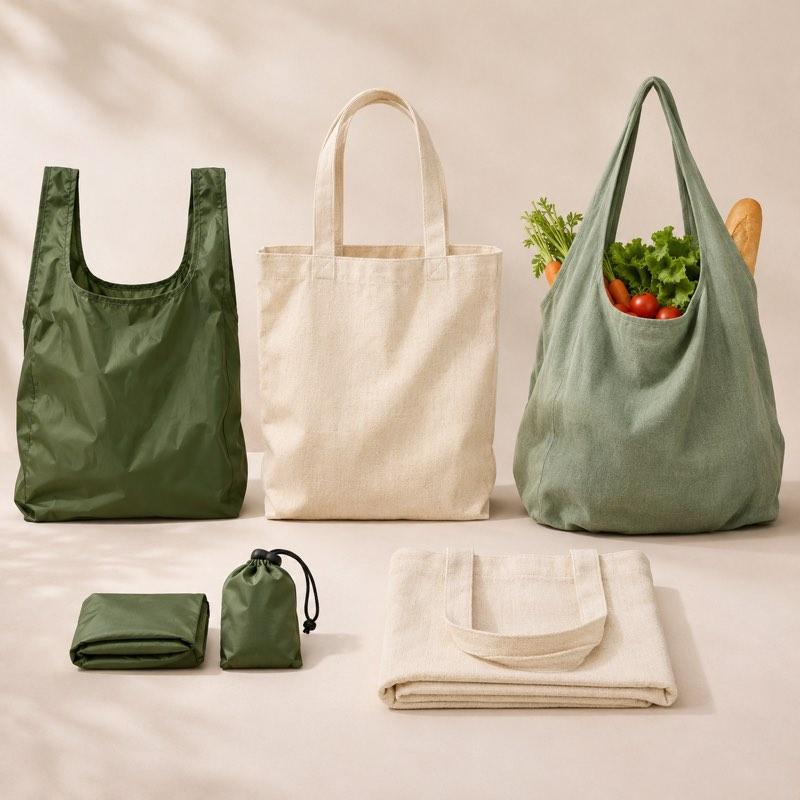
Prepare a representative basket containing two shelf-stable cartons, apples, a loaf of bread and sealed chilled groceries. Use size-and-weight equivalents for repeated handling checks, and keep actual perishables refrigerated while comparing samples. Pack the same contents in each shortlisted bag so the comparison has a consistent starting point.
| Shopping need | Bag to trial first | What to check with the basket |
|---|---|---|
| Spontaneous grocery stop | Compact foldable shopper | Does it open quickly, fit the cartons without crushing the bread, and fold back into its pouch after use? |
| Trip that includes chilled groceries | Insulated tote with a suitable cold source | Do the chilled packages and cold packs fit with the closure fully shut? Keep the bread and dry goods in a separate shopper when the layout requires it. |
| Planned weekly shopping | Reinforced shopper with a stable base and wide handles | Do the cartons sit level, the base retain its shape and the handle attachments remain comfortable under the representative load? |
For each trial, place heavier cartons low in the bag and protect the bread from pressure. Lift the sample from a counter, carry it by hand and on the shoulder where the handle design allows, then set it down and unpack it. Note any twisting handles, pressure on the shoulder, shifting cartons or strain at the seams. Check the empty bag’s storage size as well as its filled appearance.
For a weekly shop larger than this basket, repeat the check with the actual expected quantity and agree how the load will be split across several bags. For chilled transport, evaluate the closure and cold-pack layout separately from carrying comfort. Confirm any cooling-duration or load-rating claim through the agreed test method and conditions.
Record which sample fits each use, the proposed packing arrangement and any changes needed before approval. A single basket can reveal different priorities even when all three bags accommodate the contents.
Final selection rule
Giftvera’s core rule is simple:
Choose the bag that the recipient will use most naturally, not the bag that sounds most impressive in a product description.
A well-chosen medium foldable bag can beat a bulky premium bag if it gets used weekly. A modest insulated tote can outperform a basic shopper if it perfectly fits a food campaign. A heavy-duty bag can be ideal when the audience plans larger grocery trips. “Best” depends on use.
Frequently Asked Questions
What size is best for reusable shopping bags for groceries?
A medium size is often the safest choice for broad promotions because it stays useful without becoming too heavy when full. For planned weekly shopping, a larger structured bag may work better. For daily carry, compact foldable bags usually offer better real-world convenience.
Are insulated grocery bags better than regular reusable bags?
Insulated grocery bags are better for chilled, frozen, or freshness-related grocery trips. They are not automatically better for every campaign. If recipients mainly make quick, dry-goods purchases, a foldable or standard reusable tote may be used more often.
What material should brands choose for branded grocery bags?
Brands should choose material based on use case and perceived value. Polyester or nylon works well for foldable bags. Laminated non-woven, canvas, PP woven, or Oxford fabric can work for heavier bags. Insulated bags need a suitable outer material, lining, and closure.
How can a brand avoid making a reusable bag look cheap?
A brand can improve perceived quality through balanced size, comfortable handles, clean stitching, good color matching, neat logo placement, and practical structure. A simple bag can still feel high quality if the proportions, finishing, and branding are handled carefully.
Should reusable grocery bags be customized with a large logo?
A large logo can work for retail promotions, but subtle branding often feels more premium. The best logo size depends on the bag style, audience, and campaign goal. Giftvera usually recommends checking a visual proof and sample before final production.
How should reusable grocery bags be cleaned?
Follow the care instructions for the complete bag, including the lining and decoration. Clean spills promptly and let the bag dry fully before storing it. Keep raw food packages separate from ready-to-eat groceries.
How much weight can a reusable grocery bag carry?
Capacity depends on the fabric, base, seams and handle attachments of the finished bag. Agree the intended load, test method and acceptance criteria with the supplier before publishing a weight limit.
How long will an insulated grocery bag keep food cold?
There is no single duration for every insulated bag. Starting food temperature, cold packs, ambient conditions, packing and opening frequency affect performance. Use the selected design’s test evidence for any stated duration.
Conclusion
The best reusable shopping bags for groceries are chosen by task, not by one universal ranking. Foldable bags support daily carry and spontaneous shopping. Insulated bags fit chilled groceries and freshness-focused campaigns. Heavy-duty bags work for planned, higher-volume trips. For branded gifts, Giftvera recommends focusing on comfort, structure, folding or storage convenience, logo presentation, and sample quality before ordering. If your team is planning a grocery bag campaign, Giftvera can help compare options, prepare samples, and build a practical custom gift solution.
Explore Giftvera’s premium gifting options for a coordinated retail or food-brand campaign.