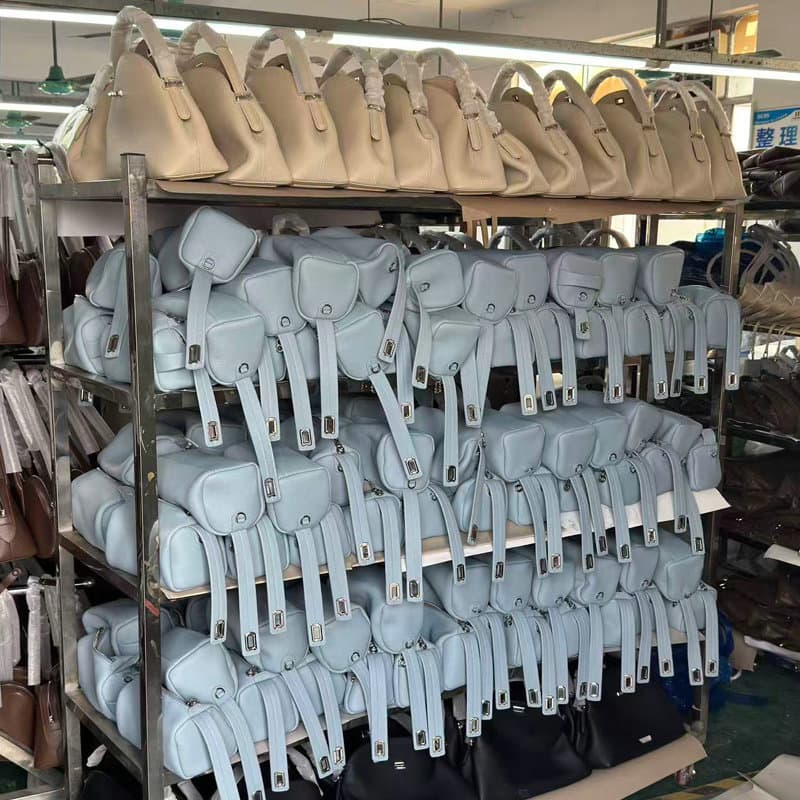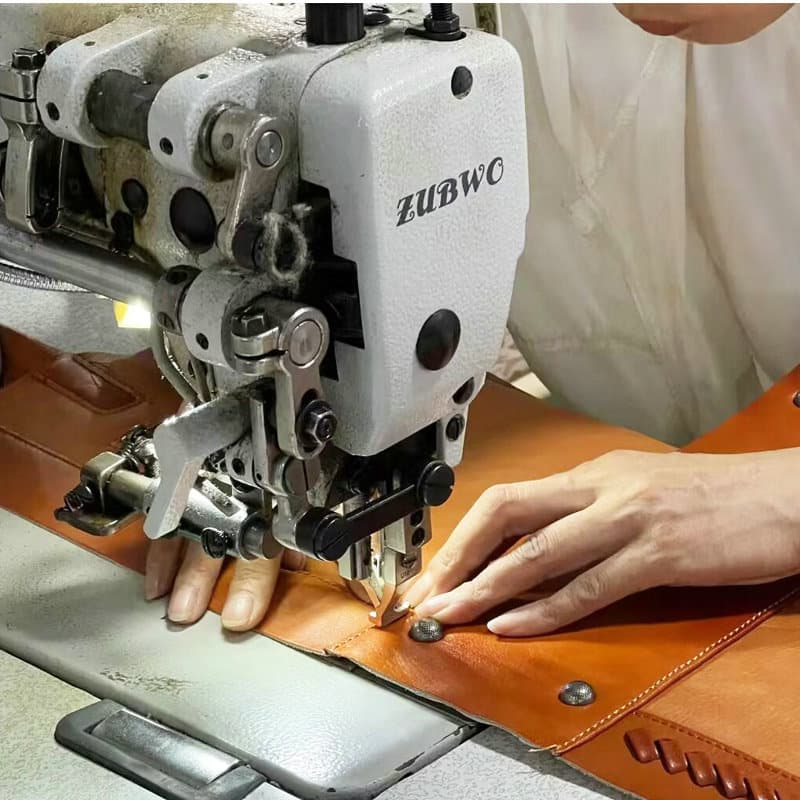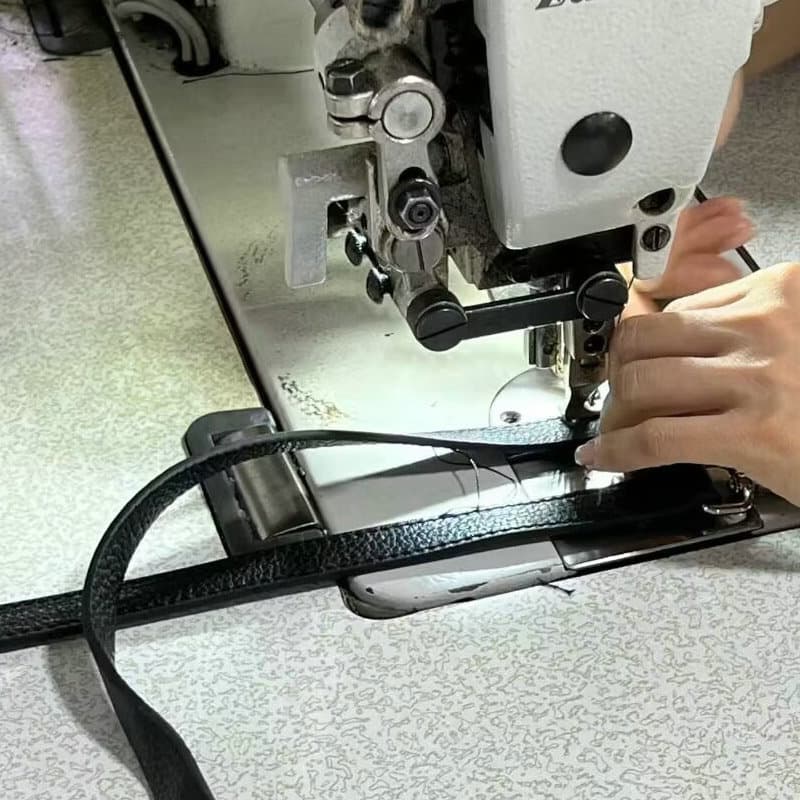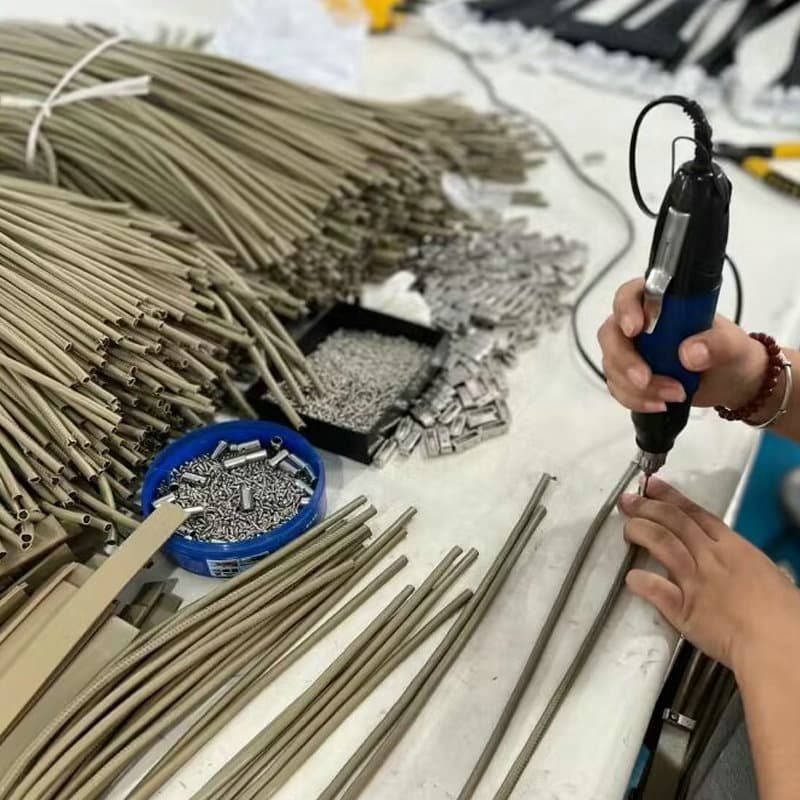

Custom cosmetic bags with logo for corporate gifts can be a useful choice when the recipient needs a compact, reusable way to carry personal items, travel essentials, or event materials. The product is only one part of the decision. The best result comes from matching the bag’s use, size, construction, branding, packaging, and approval process to the programme.
This guide is for procurement, marketing, HR, and gifting teams preparing a brief. It does not assume a specific material, capacity, minimum quantity, or production timing. Those details should be confirmed against the chosen product and supplier proposal.
The short answer
A corporate cosmetic bag works best when it is selected for a clear recipient use case, then customized with a logo treatment that suits the material and available surface. Before approving it, define what the bag should carry, how it will be distributed, what brand elements are essential, and what the physical sample must prove.
Start with the role of the gift
“Cosmetic bag” can describe several formats: a small zip pouch, a structured wash bag, a flat travel case, or an organizer used in a welcome kit. Naming the use case prevents a buyer from choosing an attractive product that is too small, too bulky, or too delicate for the programme.
Common corporate-gift roles include:
- a client-event or conference item that holds small essentials;
- a new-hire or employee-recognition gift paired with other useful items;
- a travel-oriented gift set;
- a retail or gift-with-purchase presentation item; and
- a hospitality or wellness programme accessory.
The occasion does not determine the specification on its own. A bag handed out at an event needs a distribution plan. A gift set needs room for the intended contents. A retail-facing programme may need additional packaging and labeling requirements. Write the role down before comparing product options.
Turn the idea into a supplier-ready brief
A short brief gives suppliers enough information to recommend an appropriate route without asking them to guess. It also makes quotations and samples easier to compare.
| Brief area | What to define | Why it matters |
|---|---|---|
| Recipient and occasion | Who receives the bag and where it will be used | Guides the format, visibility of branding, and presentation level |
| Intended contents | Examples of items the bag must hold | Helps assess usable internal space, opening, and shape |
| Brand assets | Approved logo file, color references, artwork rules | Allows a realistic customization recommendation |
| Quantity and target date | Required volume and in-hand date | Lets the supplier assess the available development and production route |
| Packaging and destination | Individual packing, gift box, insert card, labels, delivery destination | Avoids treating pack-out and distribution as late changes |
| Approval points | Swatch, logo sample, development sample, or pre-production sample required | Sets a shared quality reference before production |
If an internal requirement is not yet fixed, label it “to be confirmed.” A visible open question is safer than an assumed detail that changes after sampling.
Choose a logo treatment after selecting the bag
Logo treatment should follow the product surface, artwork, and intended look. A subtle mark can suit a premium gift, while a more visible treatment may be appropriate for an event item. Ask to see the intended artwork on a comparable surface rather than approving a method from a digital mock-up alone.
Keep placement practical
The front panel may appear to be the obvious logo location, but seams, curves, pockets, zippers, and folds can affect how the finished mark reads. A supplier should identify the usable branding area on the actual construction. Check that the logo will remain visible when the bag is filled or opened.
Match artwork to the available detail
Fine lines, small type, tonal colors, and large marks each behave differently across materials and methods. Provide the approved artwork file early. If the logo has minimum-size or clear-space rules, include them in the brief and confirm how they apply to the selected bag.
Think about the gift as a whole
Branding does not have to appear only on the product. A restrained logo on the bag can work well with a branded insert card, sleeve, box, or tissue treatment. Planning these components together usually produces a more coherent recipient experience.
For broader logo-method questions, see what branded gifts are and how customization is planned and the customization overview.
Check daily usability, not only appearance
Before approving a cosmetic bag for corporate gifts, turn the desired use into physical checks. The aim is to confirm the product is practical for the recipient—not to infer a specification from a catalogue image.
Ask the sample to answer questions such as:
- Does the opening make the intended contents easy to place and retrieve?
- Is the bag stable when set down or filled?
- Are the zipper, puller, seams, lining, and edge areas suitable for the intended handling?
- Does the chosen shape preserve its appearance after normal packing?
- Does the logo remain legible around curves, folds, and hardware?
- Does the individual packing protect the product and its branding?
These are buyer checks, not claims about any supplier or product. Record the agreed observations in the sample approval notes so the production reference is clear.
Plan packaging and distribution at the same time
Packaging affects both presentation and practical execution. A single event giveaway may only need protective individual packing, while a client gift may need an insert card or a complete gift-set presentation. If the programme has multiple destinations, ask early about any packing labels, assortment rules, or destination-specific requirements.
Do not assume that a product sample also represents the final pack-out. Confirm separately:
- what is included with each bag;
- whether printed inserts, labels, or outer packaging are required;
- how the product will be protected from scuffing or logo transfer;
- how assortments should be counted and identified; and
- what information must appear on shipping cartons.
Use samples to reduce avoidable revisions
For a branded corporate-gift project, approvals often happen in stages. The right sequence depends on the level of customization, but the team should agree which reference resolves which question.
- Review the product direction. Confirm the selected format meets the recipient and content needs.
- Approve the branding approach. Check artwork, placement, scale, and visible result on a relevant surface.
- Confirm packaging details. Review the insert, protective packing, and any presentation elements that affect the final experience.
- Document the approved reference. Keep photos, measurements where applicable, artwork versions, and written notes together.
- Inspect against the agreed reference. Check finished goods against the approved product, branding, packing, and quantity requirements.
This process does not promise a particular lead time or quality outcome. It gives the buyer a clearer way to control what “approved” means.
Questions to ask before requesting a quote
- Which bag format best fits the intended contents and recipient use?
- Which logo treatments are feasible on the selected surface?
- What artwork format is needed to prepare a sample?
- Which sample or approval stages are available for this project?
- What packaging options can be quoted separately?
- What details must be final before production can be scheduled?
- How should the product, branding, and pack-out be checked before dispatch?
For a broader supplier-evaluation checklist, read How to Choose a Corporate Gift Supplier.
Frequently asked questions
Are cosmetic bags appropriate for corporate gifts?
They can be, when the bag has a clear practical role for the recipient and occasion. Define the intended contents, level of presentation, and distribution method before choosing the format.
What should be included in a cosmetic-bag brief?
Include the recipient, use case, intended contents, quantity, target date, approved artwork, packaging needs, destination, and the approvals required. Mark unknown decisions as “to be confirmed.”
Can a logo be added to any cosmetic bag?
Feasibility depends on the product surface, construction, logo detail, and chosen method. Review a relevant sample or strike-off before confirming the final approach.
Should cosmetic bags be sold as a set or individually?
Either route can work. Make the decision from the programme objective: a set may suit an onboarding or client gift, while individual packing may suit a larger event distribution. Confirm the required packaging separately.
Build a clearer project brief
The cosmetic bags category can help you start a product conversation. When you are ready, send the recipient, use case, intended contents, quantity, target date, logo artwork, and packaging requirements through the inquiry form. Any material, capacity, MOQ, timing, or fulfilment detail should be confirmed for the specific project before it is published or approved.