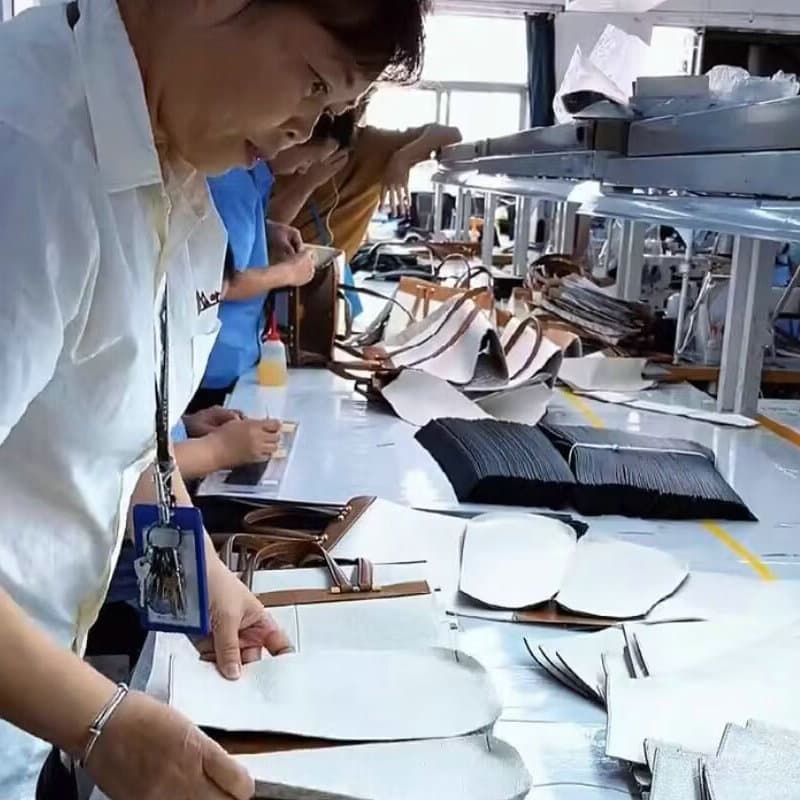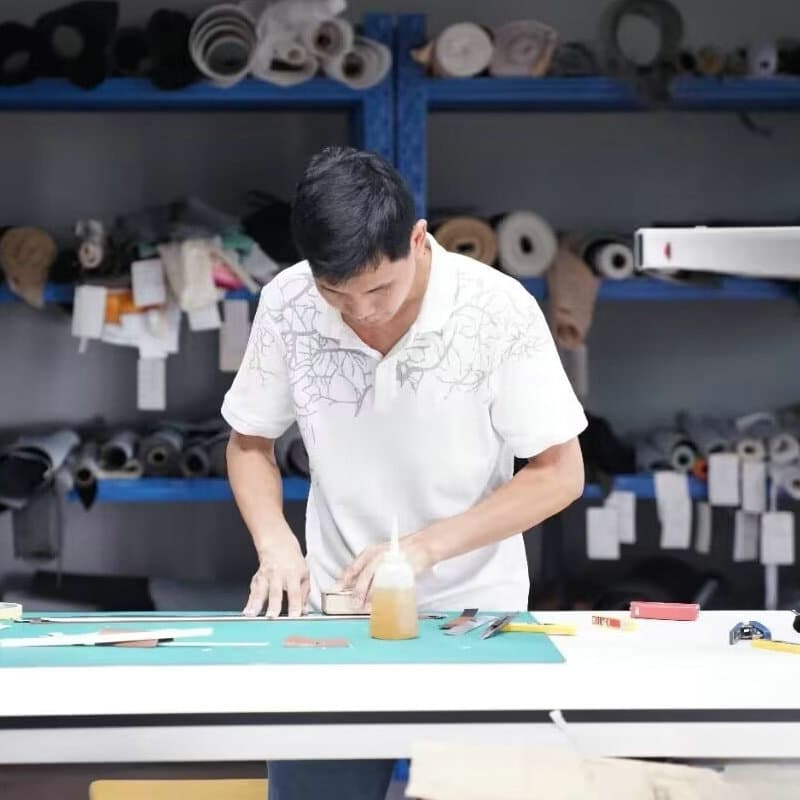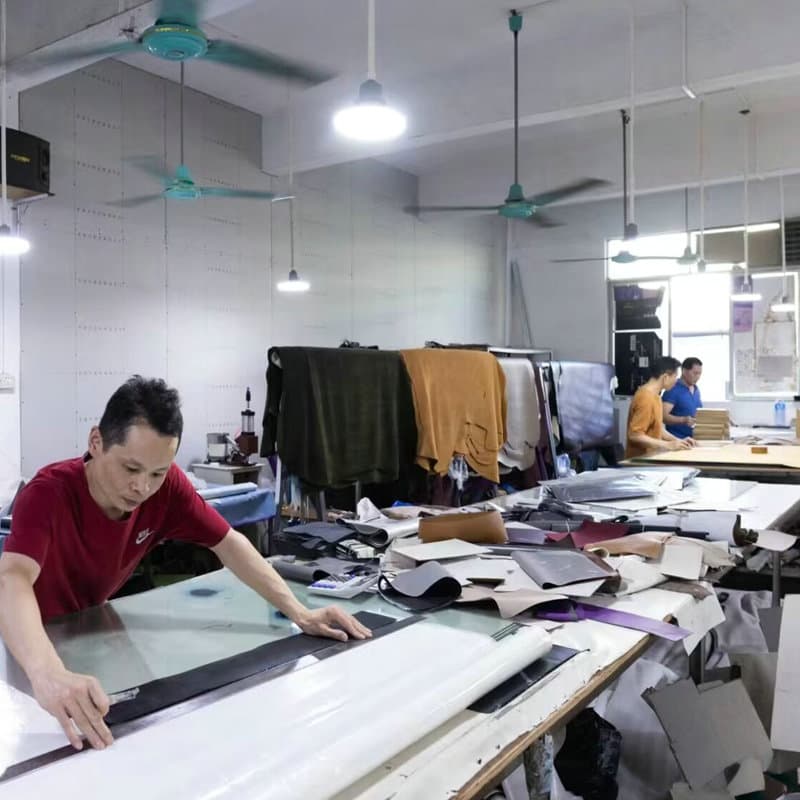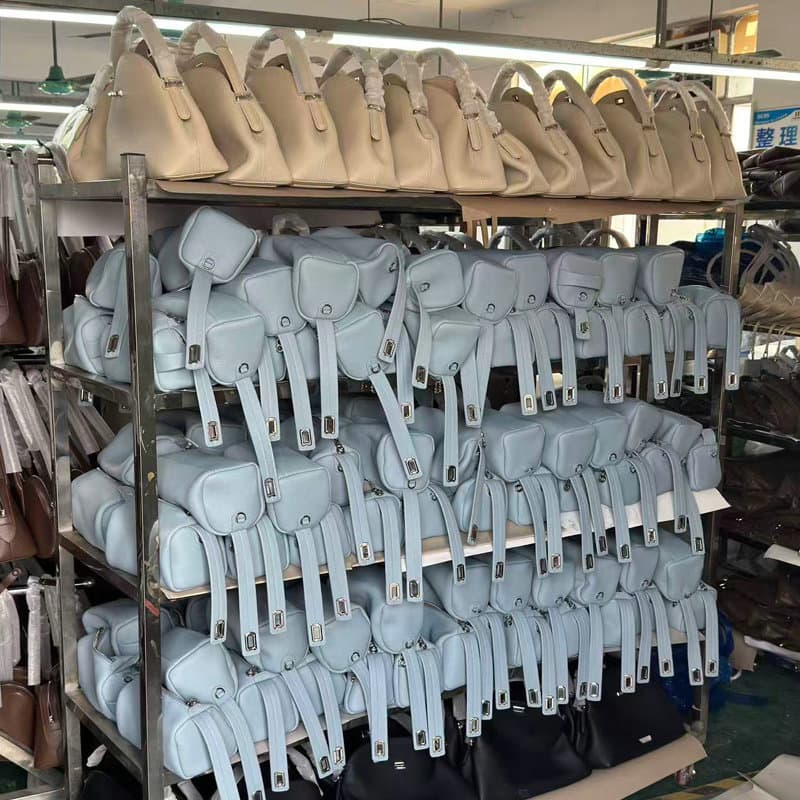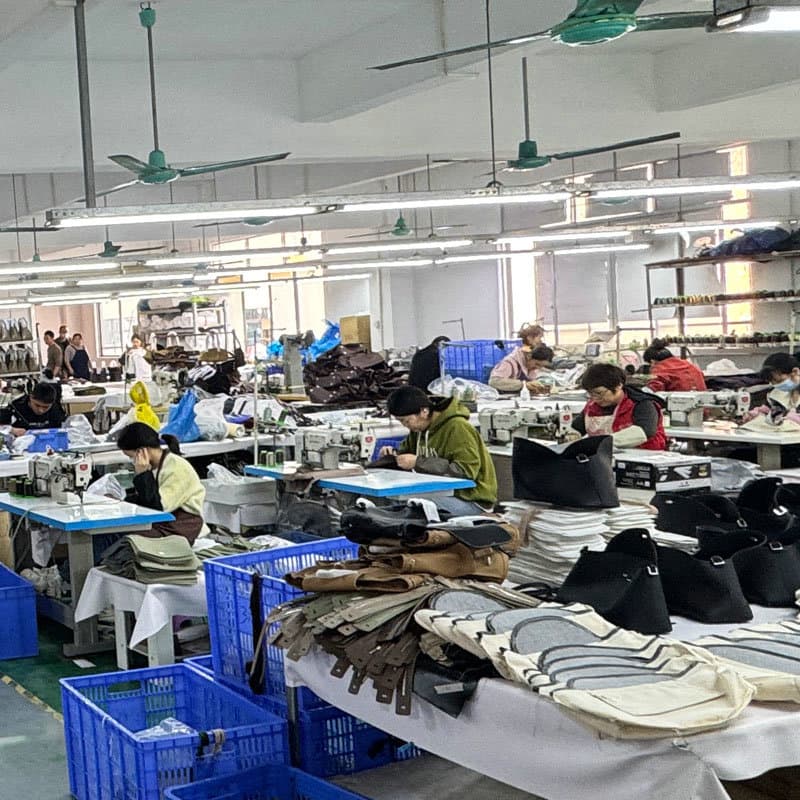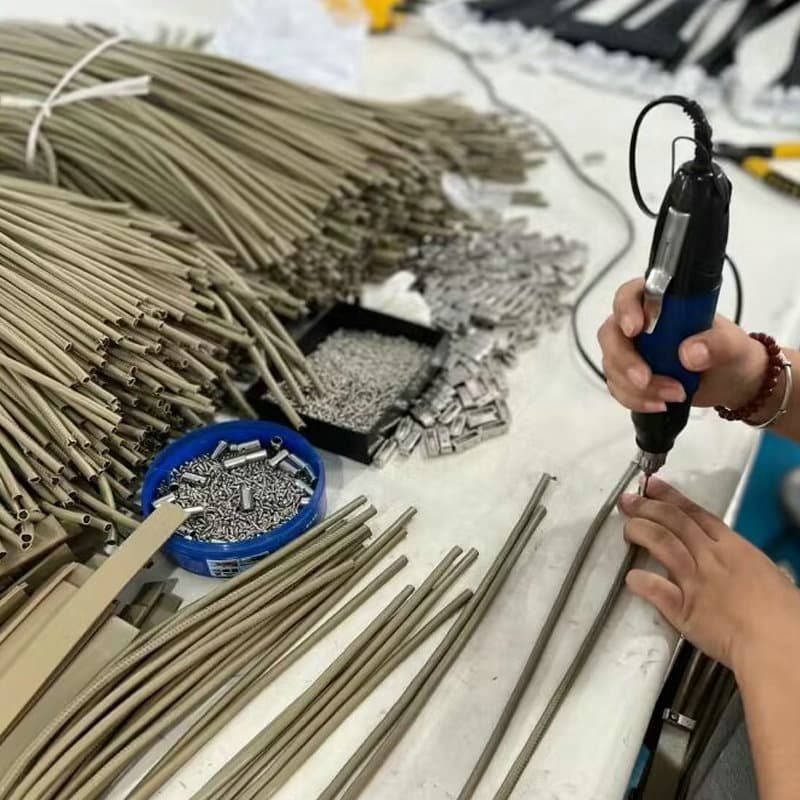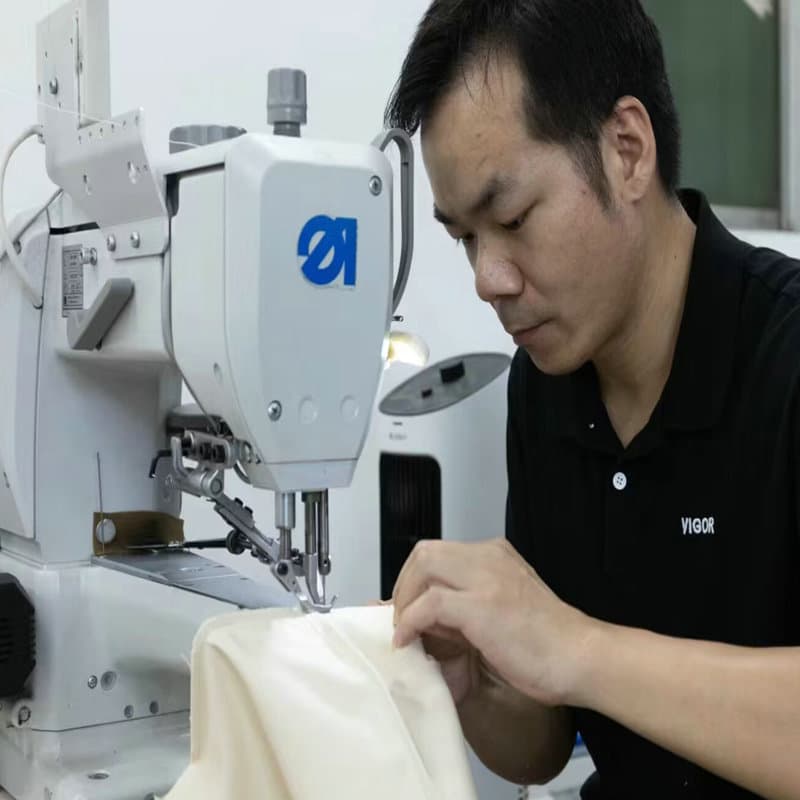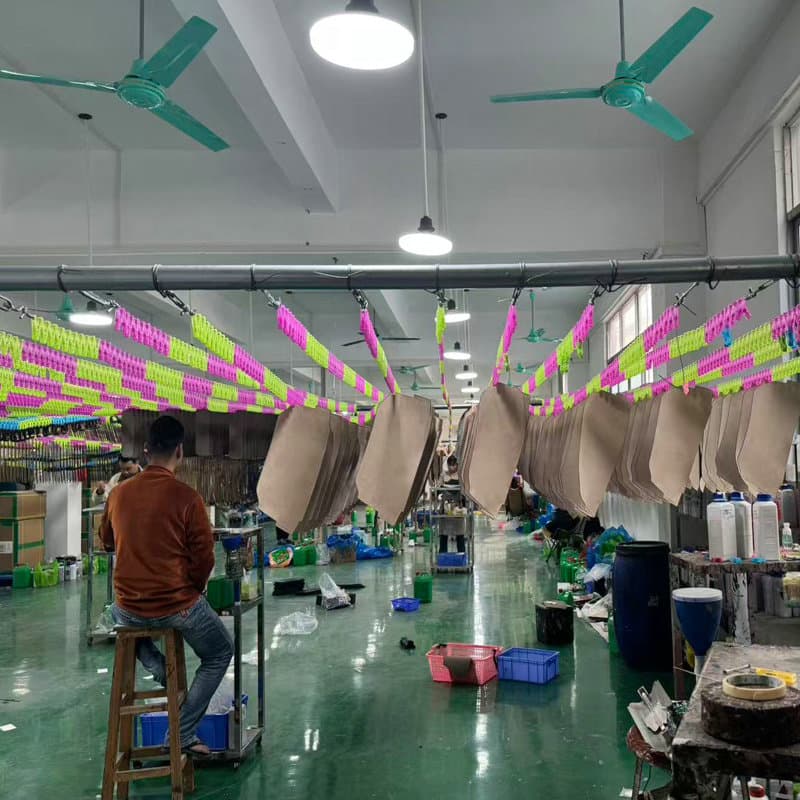
When a buyer searches for a custom gifts manufacturer or a custom gifts supplier, the terms can sound interchangeable. In practice, they can describe very different operating models. One company may make the product itself. Another may coordinate several factories. A third may buy finished products and add a logo or packaging service.
That difference matters once a project involves custom materials, a new construction, a branded logo, quality approval, retail packaging, or international delivery. The right partner is not automatically the one that uses the word manufacturer. It is the one that can clearly explain who controls each important decision and who is accountable if the approved product, quantity, or delivery plan changes.
This guide helps procurement teams, importers, gift companies, retailers, and brand managers compare the options before requesting a quote for custom leather gifts.
The short answer
Choose a custom gifts manufacturer when you need direct product-development knowledge, close control over sampling, or a repeatable specification for future orders. Choose a supplier or sourcing partner when its product range, local communication, logistics support, or access to several factories adds practical value. In either case, ask who owns the sample, production specification, quality checks, and final delivery plan.
The most useful question is not “Are you a factory?” It is: “Who controls the work that matters to my project?”
What is a custom gifts manufacturer?
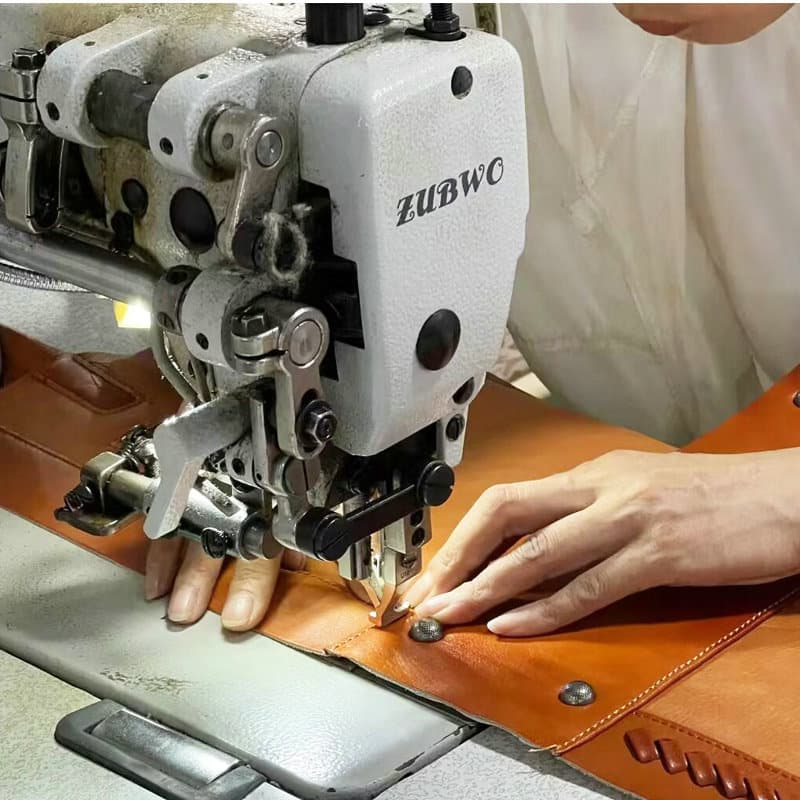
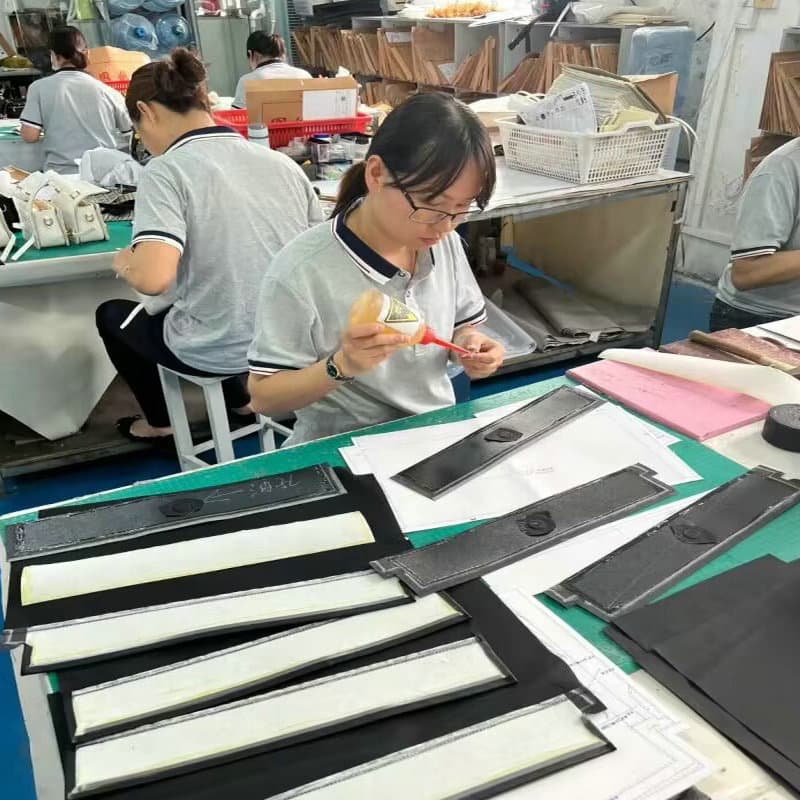
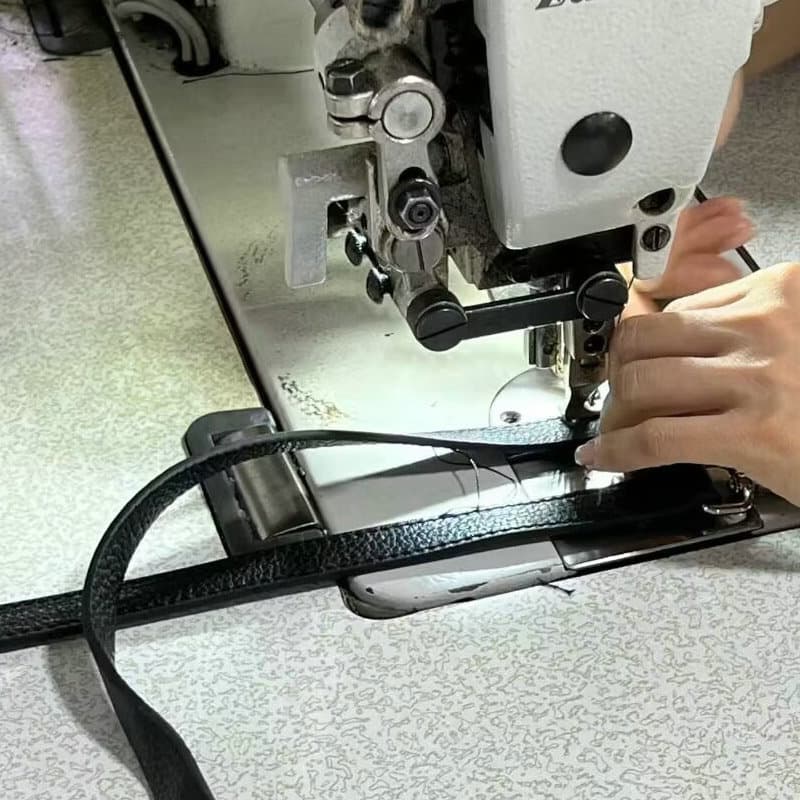
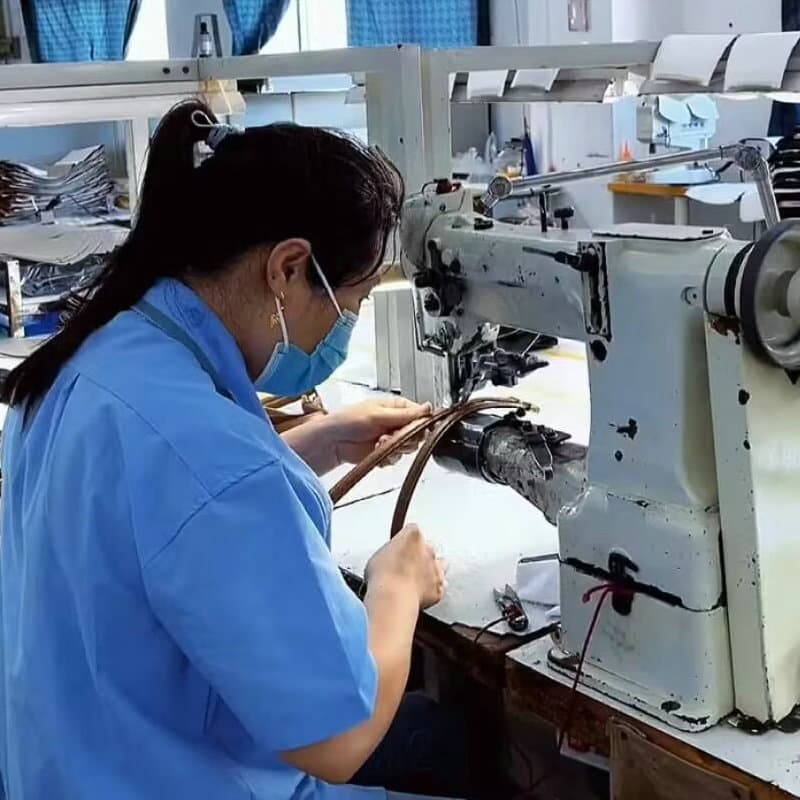
A custom gifts manufacturer produces all or part of an item through its own production operation. For leather goods, this may include material preparation, cutting, stitching, edge finishing, logo application, packaging, and final inspection. Some manufacturers also work with specialist partners for components such as metal hardware, printed inserts, or rigid boxes.
A capable manufacturer can usually explain:
- how the product is constructed;
- which material, lining, hardware, and logo options are possible;
- what must be sampled before bulk production;
- where a requested change will affect cost or lead time; and
- how the approved reference is checked during production.
This direct knowledge is especially useful when the brief is more than a stock product with a simple logo. For example, a client may need a passport holder with an unusual card-slot layout, a specific leather finish, a foil-stamped logo, and a presentation box. The buyer needs someone who can translate those requirements into a workable specification, rather than only pass a product photo to another party.
What is a custom gifts supplier?
A supplier may be a manufacturer, a trading company, a distributor, or a sourcing partner. The word describes the commercial relationship: it supplies the product to the buyer. It does not, by itself, say who makes the item.
A supplier can be valuable when it has a well-managed network of factories, strong project communication, regional logistics knowledge, or a broader category range. For a campaign with a leather wallet, notebook, tumbler, and retail packing, one coordinated supplier may be easier to manage than several individual factories.
The trade-off is that the buyer needs clear visibility. A supplier should be able to identify the production partner, explain who handles sample development, share the quality process, and remain responsible for the agreed result. A vague answer such as “our factory will handle it” is not enough for a custom B2B project.
Manufacturer vs supplier: the practical comparison
| Decision area | Manufacturer-led route | Supplier or sourcing-partner route |
|---|---|---|
| Product development | Usually direct access to production and construction knowledge | May coordinate one or more factories and specialists |
| Sample feedback | Can often move directly from buyer comments to the production team | Requires a clear handoff and documented approval process |
| Product range | Often strongest in its own category | Can offer a wider multi-category programme |
| Cost visibility | May offer a shorter commercial chain | Can add service value, but buyers should understand the quotation basis |
| Quality control | Often manages factory checkpoints directly | Should state which checks it performs and which factory performs |
| Accountability | Must be defined in the purchase order and sample approval | Must be defined in the purchase order and sample approval |
Neither route removes the need for a written brief and a sample approval. A direct factory relationship is not a guarantee of quality. A supplier relationship is not automatically less reliable. The difference is whether the buyer understands the control points.
When a manufacturer is usually the better fit
You need a new or materially modified product
Choose a manufacturer-led route when the product itself is part of the brief. This may mean new dimensions, a new pocket arrangement, a custom lining, distinctive hardware, or a construction that does not already exist in a catalogue.
For example, an executive travel wallet may need to hold passports, boarding passes, cards, and a pen. The product must be tested for fit and usability before it is ordered in volume. Direct access to the technical decisions helps the buyer understand what can be achieved and what needs to change.
You need close sample control
A pre-production sample should confirm the material, color, logo treatment, key dimensions, and packaging route. If the design is specific, the team approving the sample needs a clear route for recording corrections and confirming the next version.
Manufacturers often have an advantage here because they can connect buyer feedback to the people making the pattern, cutting material, applying the logo, or preparing the pack-out. The buyer should still ask for documented sample comments and a final approved reference.
You expect repeat orders
Repeat business depends on a repeatable specification. If a program is likely to return next year, ask how the manufacturer records the approved material, color, logo position, packing method, and quality criteria. The goal is not to recreate a gift from memory or from a photo. It is to work from a controlled reference.
When a supplier can be the better fit
You need several product categories in one programme
Some corporate gifting projects combine multiple products: a leather organizer, a drinkware item, a notebook, a welcome card, and a presentation box. A supplier with reliable category partners can simplify purchasing if it manages the approvals and logistics well.
Ask whether the supplier uses one project owner, one approval calendar, and one final packing plan. A broad catalogue is helpful only when the buyer has a coherent process for the final programme.
You need local market or delivery support
Suppliers may add value through local warehousing, destination-specific labeling, retail requirements, or communication in the buyer’s time zone. This can be useful when products need to arrive at several offices or an event venue.
The buyer should separate service value from product assumptions. A quote should make clear what is included for product, branding, packaging, inspection, freight, and any destination service.
You need a faster established-product route
For a campaign with a fixed deadline, an established product style with selected material and logo options may be more practical than a completely new development. A supplier can help identify a proven item and coordinate the configuration. This is often an ODM-style path: the underlying construction already exists, while the buyer chooses the branding and selected details.
Questions to ask before you compare quotations
Use the same brief for each prospective partner. It should include the recipient, product category, quantity, target date, material direction, logo file, packaging needs, destination, and budget context. Then ask these questions:
- Do you manufacture this product, source it from a partner, or coordinate both models?
- Who develops the sample and confirms the final specification?
- What product details are included in the quoted price?
- Which material and logo method are assumed?
- What sample is recommended before bulk production?
- How do you check workmanship, logo placement, quantity, and packing?
- Who is responsible for shipment marks, carton counts, and delivery documents?
- Can the same approved construction be repeated for a future order?
Specific answers are more useful than a generic factory claim. A good partner will identify what it knows, what it needs from the buyer, and which choice could change price or timing.
Quality control should be visible in either model
For custom leather gifts, a practical quality process normally includes material and color confirmation before cutting; logo checks after branding; stitching, edge, hardware, and function checks during assembly; and count, packaging, and carton checks before dispatch.
The buyer should know who performs each stage. If a supplier coordinates a factory, that does not remove its responsibility to communicate the results. If a manufacturer does the work directly, that does not remove the buyer’s need to define the approved reference and acceptance criteria.
For a high-visibility order, ask for shipment-inspection photos or a written report. If an independent inspector will be used, agree on the timing, carton access, approved sample, and defect criteria before the goods are fully packed.
Avoid these common mistakes
Selecting only on the lowest unit price
A lower price may use a different material, omit packaging, assume a simpler logo process, or exclude sample work and freight. Compare like with like. A traceable quote is more useful than a low number with unclear assumptions.
Treating a digital mockup as product approval
A digital mockup confirms the general logo placement. It does not show leather grain, stitching, edge paint, zipper movement, color tolerance, or pack-out quality. Review a physical sample when the product is custom or client-facing.
Leaving responsibilities unstated
If a product arrives with a logo issue or the cartons have the wrong labels, the buyer needs to know who will investigate and correct it. Record responsibilities in the approved brief, sample comments, and purchase order.
FAQ
Is it always cheaper to buy directly from a manufacturer?
Not always. A manufacturer can reduce commercial layers, but the total project cost also depends on product construction, material, logo setup, packaging, inspection, freight, and the supplier’s service scope. Compare the complete proposal rather than the unit price alone.
Can a supplier offer factory-level quality control?
Yes, if it has a defined factory relationship and a documented inspection process. Ask what it checks, when it checks it, and how it reports the result against the approved sample.
Should I use one supplier for a gift set with different items?
One supplier can simplify a multi-item programme when it coordinates samples, packaging, and delivery well. Confirm that each product category has a clear quality owner and that the final pack-out has been tested.
What should I send in my first inquiry?
Send a product idea or reference image, quantity, target date, logo file, preferred material or color direction, packaging needs, and destination. The more clearly you define the use case, the more comparable the response will be.
Conclusion
The right choice between a custom gifts manufacturer and supplier is a matter of control, capability, and accountability. A manufacturer can be ideal for product development and repeatable custom leather goods. A capable supplier can be ideal for broader programmes and coordinated delivery. The strongest partner is the one that converts your brief into a sample, a documented specification, a realistic quality plan, and a clear delivery route.
CTA: Request a supplier-ready brief review
Planning custom wallets, passport holders, cosmetic bags, luggage tags, organizers, or a branded gift set? Send your requirements and MHERDER will help you define the product, material, logo, sample, packaging, and delivery questions before you request quotations.