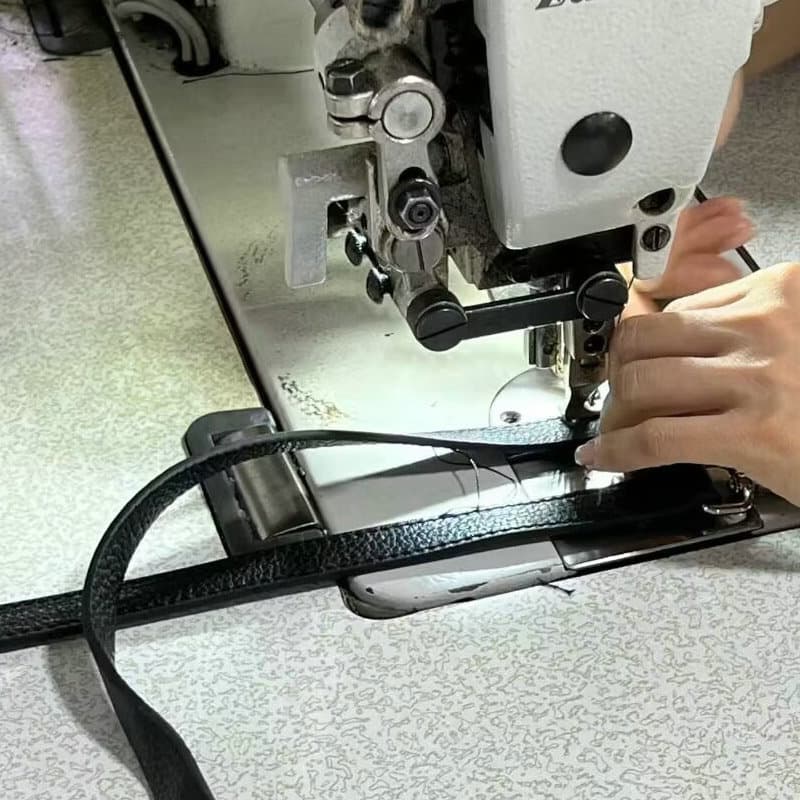
Custom leather wallets for employee gifts can turn a recognition moment, onboarding programme, anniversary, or leadership event into a useful everyday item. They also need more careful planning than a generic giveaway. Wallet format, logo visibility, packaging, privacy considerations, and sample approval all affect whether the finished gift feels appropriate for its recipient.
This is a neutral planning guide for B2B buyers. It does not state that a particular wallet material, construction, quantity, lead time, or personalization option is available. Confirm those items against the selected product and supplier’s written proposal.
The short answer
An employee wallet gift should be selected around real use, not just the available logo area. Start with the recipient group and the occasion, choose a practical format, agree the brand treatment and packaging, then approve a physical reference before production. If the project includes names or individual distribution, treat privacy and list accuracy as part of the brief.
Decide whether a wallet suits the programme
A wallet is a more personal item than many event gifts. That can make it well suited to a milestone, recognition programme, management meeting, or curated new-hire kit. It can also make it a poor match if the recipient group is very broad, needs vary widely, or the programme only calls for a simple, high-volume giveaway.
Start with four questions:
- Who will receive the gift, and what relationship does the company have with them?
- What moment is the gift intended to mark?
- Is the item expected to be used daily, for travel, or as part of a set?
- Is a wallet appropriate for every recipient, or should there be an alternative product route?
These questions help a team choose between a classic wallet, a card-oriented format, a travel accessory, or another product category. The wallets category and passport holder options can support an initial product comparison.
Choose the format before the decoration
The logo treatment should not drive the product selection. First identify the daily use the item needs to support, then ask which format is practical for that use. A design with a large exterior panel might display a logo clearly but still be unsuitable if it does not fit the recipient’s expected carrying habits.
| Decision area | What to define | What to verify on a sample |
|---|---|---|
| Carrying style | Folded wallet, card-focused format, travel use, or gift-set component | Overall size, thickness, closure, and comfort when carried |
| Storage needs | The types of cards, notes, or documents the recipient may carry | Layout, accessibility, and whether pockets are usable when filled |
| Brand visibility | Subtle recognition or a more visible programme mark | Placement, scale, artwork clarity, and how it reads during use |
| Presentation | Individual gift, ceremony item, or kit component | Protective packing, insert card, box, and overall presentation |
| Distribution | One location, several offices, or named recipients | Count method, labeling requirements, and list-handling process |
Do not infer capacities or measurements from a product image. If these are important to the programme, request and approve the relevant sample information.
Make branding feel appropriate to an employee gift
Branding should support the purpose of the gift rather than dominate it. A small logo, short anniversary mark, or carefully placed recognition message may feel more considered than a large exterior treatment. The right choice depends on the material, wallet format, artwork, and the programme’s visual rules.
Provide approved artwork early
Use a final logo file and include any rules on minimum size, clear space, color, and co-branding. If the project includes an event name or employee-recognition line, confirm the exact copy and typography before a sample is made.
Review the result on the intended surface
A digital mock-up cannot confirm the depth, color, sharpness, or visibility of a mark on a finished product. Ask to review the chosen method on a comparable surface and at the intended size. Check that the position is not affected by seams, folds, stitching, hardware, or normal handling.
Avoid unapproved personal data
Individual names, employee numbers, teams, or office locations can turn a simple branding project into a personal-data workflow. Only use information that the buyer is authorized to provide. Agree how lists are transferred, checked, and approved; do not include personal data in public-facing content or sample imagery.
For a wider explanation of customization decisions, see What Are Branded Gifts?.
Plan the employee experience, not just the product
The moment of delivery shapes how a recognition gift is received. Consider whether the wallet will be handed out at an event, included in an onboarding kit, mailed individually, or distributed through internal teams. Each route can change the packaging, allocation, and communication needs.
- Recognition event: a presentation box or message card may be part of the experience; confirm the product is protected until handout.
- Onboarding kit: decide how the wallet sits alongside other useful items, printed materials, or company assets.
- Multi-location distribution: define pack labels, quantity breakdowns, and a process for recording allocations.
- Individual mailing: confirm the recipient-data process, protective packing, and any destination requirements before committing to the route.
These are planning factors, not service promises. Requirements and feasibility should be confirmed for the exact project.
Use a sample approval checklist
A documented sample review makes it easier for marketing, procurement, and HR to approve the same reference. The checklist can include:
- the approved product format and visible construction;
- the logo or message artwork, placement, and scale;
- the appearance of the chosen material or finish, if applicable;
- the practical operation of folds, pockets, closures, and edges;
- the individual packing and any presentation components;
- the recipient-count and distribution instructions; and
- all copy, naming, and data fields used in the programme.
Keep the final approval record with the artwork version and sample photos. This makes later quality checks more objective and helps prevent a change in one area from being mistaken for an approved detail.
Questions to ask before requesting a quote
- Which wallet formats are suitable for the intended recipient and use case?
- What logo methods and artwork files are feasible for the selected format?
- Which sample stages are available before production approval?
- Can packaging options be priced separately from the product?
- Which decisions affect the quotation or project schedule?
- How should named-recipient data, if any, be handled and approved?
- What should be checked against the signed-off sample before dispatch?
For a neutral view of budget variables, see How Much Do Custom Corporate Gifts Cost?. That guide explains why product format, decoration, packaging, inspection, and logistics should be defined before comparing quotations.
Frequently asked questions
Are wallets a good employee gift?
They can be for a defined recognition, onboarding, or milestone programme when the format is useful to the recipient. Test the idea against the audience, gifting moment, and distribution method before selecting the product.
Can a wallet include an employee’s name?
It may be possible depending on the product and chosen customization process, but it requires buyer authorization, accurate data, and a clear approval workflow. Personal information should never be used in public content without permission.
What should a wallet sample prove?
It should demonstrate the agreed format, visible quality reference, brand treatment, packaging, and any critical usability requirements. Add project-specific checks when a detail matters to the programme.
Should the logo be large or subtle?
Choose the level of visibility from the purpose of the gift and the brand rules. A physical sample is the right place to evaluate whether the result feels appropriate.
Prepare a practical employee-gift brief
To begin a specific discussion, provide the recipient group, occasion, preferred wallet format, quantity, target date, approved artwork, packaging direction, and distribution requirements through the inquiry form. The material, dimensions, personalization capability, quantity minimums, timing, and delivery terms remain project-specific and should be confirmed before approval.