Key insight
Design the bag for a specific second use, such as groceries, commuting or travel. Test the filled sample for access, handle comfort and stability, then review whether the artwork still feels appropriate outside the event. Record the approved material, dimensions and construction before ordering.
Reusable shopping bags often look simple on a campaign proposal, but they can fail quickly when the size, handles, fabric, or logo treatment do not match real life. That waste feels frustrating for agencies and brands. The solution is to design the bag around post-event use, not only event-day distribution.
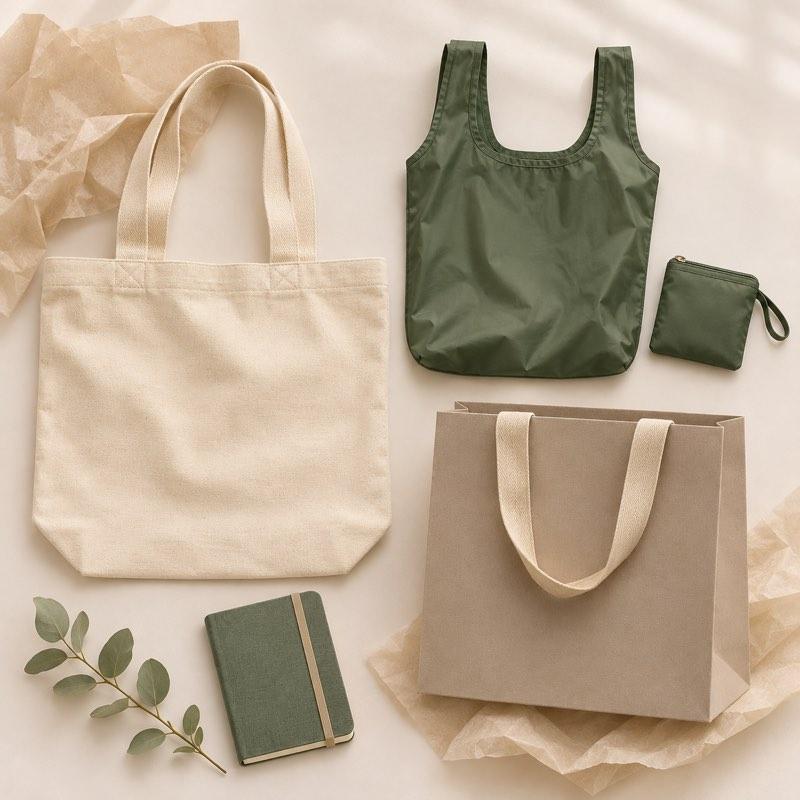
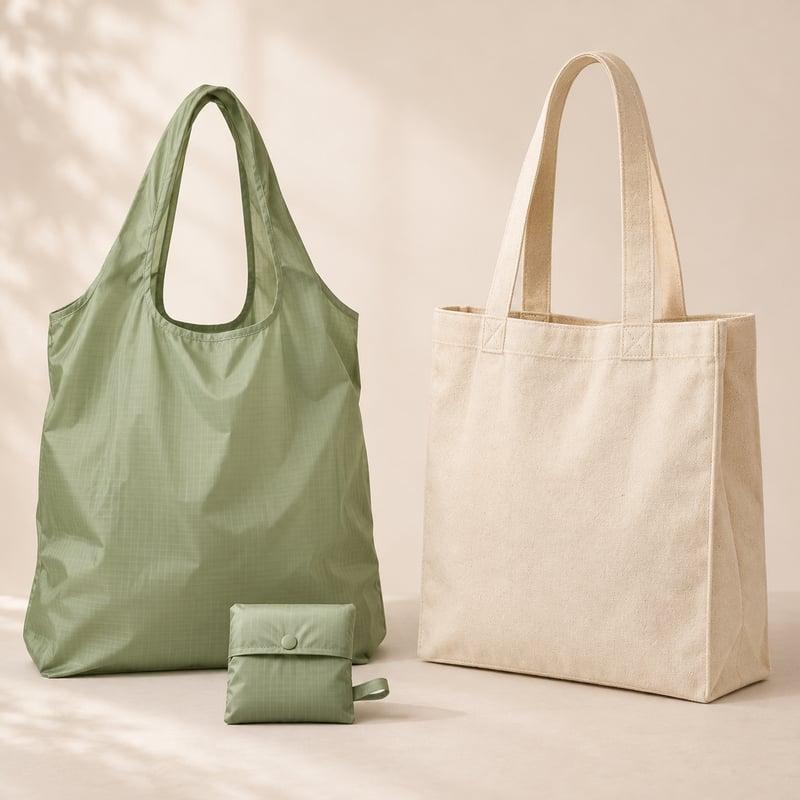
Reusable shopping bags are more likely to be kept when they feel practical, durable, and socially comfortable to carry. Start with the recipient’s real carrying task, then choose the size, material, handle style, folding method, logo placement, and packaging. A useful bag creates longer brand visibility than a loud bag that stays in a drawer.
A good giveaway bag does not need to be complicated. It needs to fit a real routine. In custom giveaway projects, Giftvera often sees better design decisions when the agency starts with one question: “Where will the recipient use this after the campaign?”
Explore Giftvera’s custom shopping bags for bag formats and handle options.
How Should Reusable Shopping Bags Be Planned as Post-Event Brand Touchpoints?
Many campaigns treat reusable shopping bags as containers for brochures, samples, or event gifts. That approach solves the first-day problem, but it can ignore the second-week problem. If recipients do not want to carry the bag later, the brand touchpoint ends almost immediately.
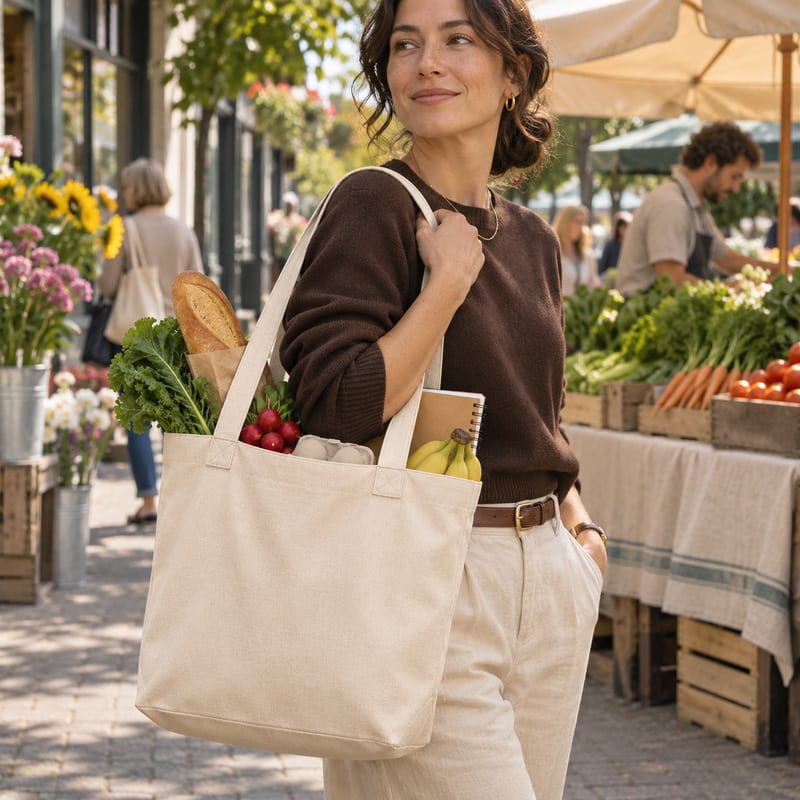
Reusable shopping bags should be planned as post-event brand touchpoints by matching the bag to a realistic daily scenario. Agencies should define the user, contents, carrying distance, public setting, and storage method before choosing artwork. The better the bag fits normal life, the more natural future brand exposure becomes.
Think Beyond the Event Table
Giftvera often sees one common mistake in giveaway planning: the bag is designed around distribution convenience, not recipient reuse.
At an event, almost any bag can work for a few hours. It only needs to hold printed materials, a water bottle, and a few promotional items. After the event, the same bag competes with bags the recipient already owns. That is a much harder test.
A bag earns reuse when it answers practical questions:
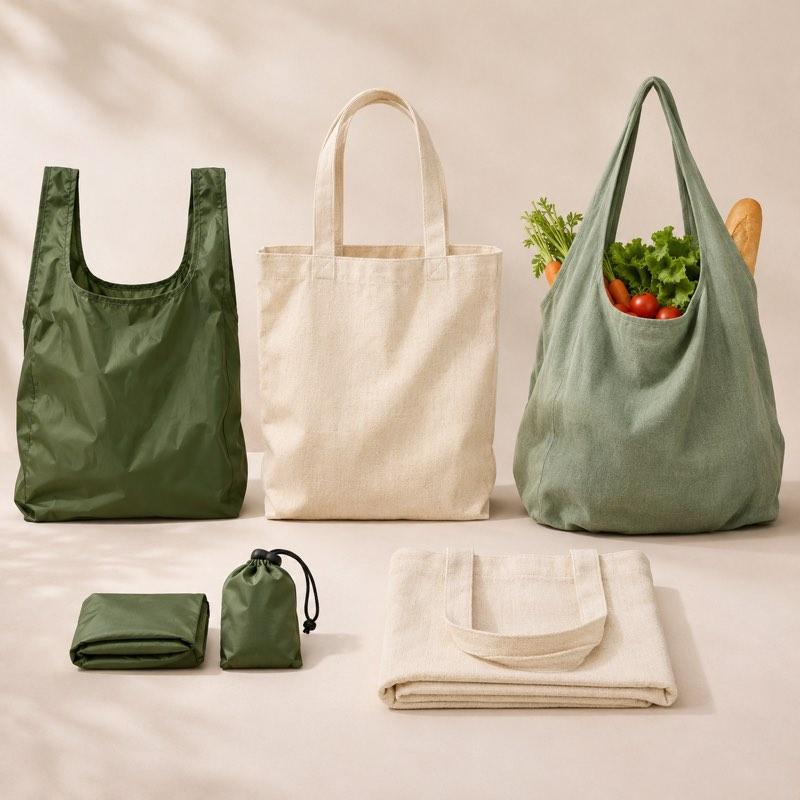
- Can the recipient fold or store it easily?
- Can the handles carry weight without cutting into the hand?
- Does the size work for groceries, gym items, samples, or commuting?
- Does the design look acceptable in public?
- Does the fabric feel better than a disposable event bag?
- Does the shape still look tidy after being packed?
Giftvera usually treats the bag as a small piece of mobile brand media, but only if the recipient is willing to carry it voluntarily.
Match the Bag to the Campaign Role
Not every campaign needs the same style of reusable shopping bag. A beauty launch, trade show, hotel welcome gift, and employee onboarding kit all create different use cases.
| Campaign type | Likely post-event use | Better bag direction |
|---|---|---|
| Beauty or lifestyle launch | Carry cosmetics, small purchases, daily items | Compact tote, soft fabric, refined logo |
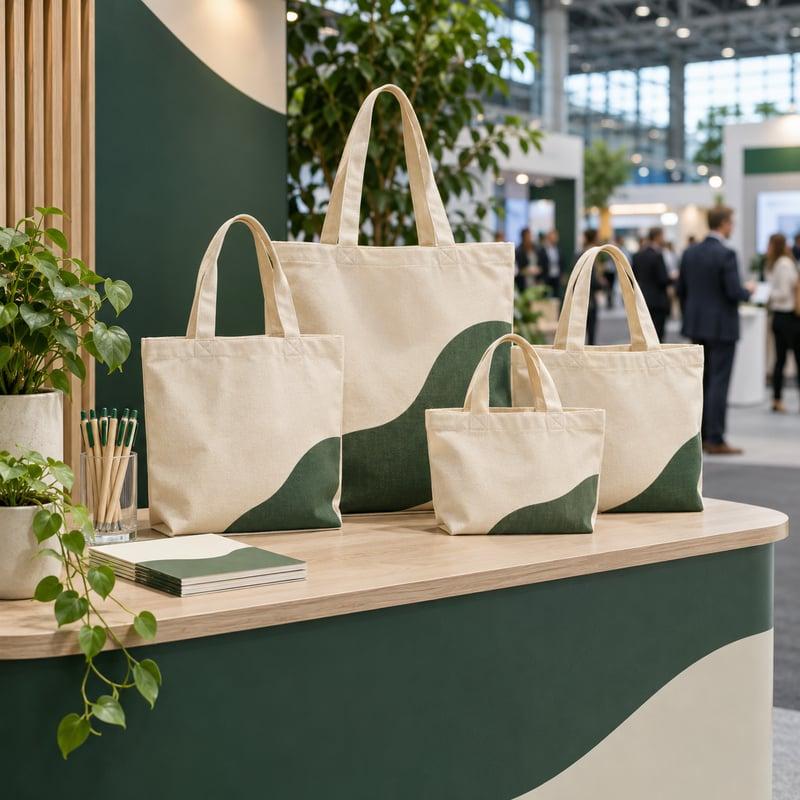
| Trade show giveaway | Carry brochures, samples, catalogs | Strong handles, wider gusset, structured shape |
| Retail gift-with-purchase | Store shopping items or future purchases | Foldable shopper, branded pouch, moderate logo |
| Hotel or travel campaign | Carry pool items, souvenirs, travel extras | Lightweight tote, washable fabric, travel-friendly size |
| Employee welcome kit | Commute, lunch, documents, casual errands | Durable tote, comfortable straps, subtle branding |
Plan for the Second Use, Not Only the First Use
Giftvera often asks clients to describe the second use of the bag. This question changes the project discussion.
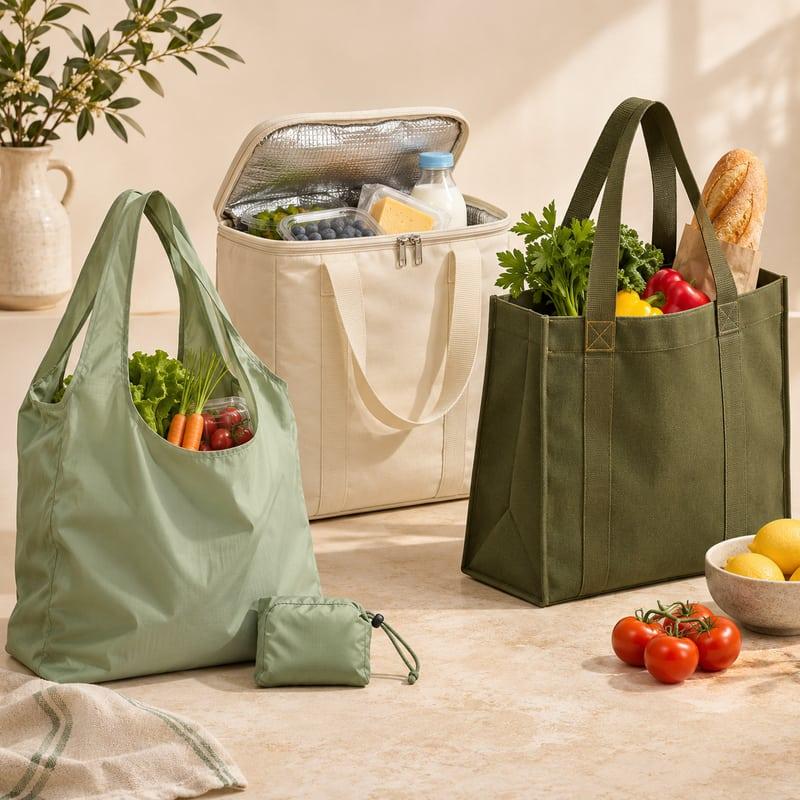
For example, if the second use is grocery shopping, the bag needs load-bearing seams, a strong bottom, and handles that feel comfortable when the bag is full. If the second use is a beauty counter gift, the bag may need a softer hand feel, a more refined logo, and better shape retention. If the second use is travel, foldability and weight may matter more than structure.
This approach also helps agencies defend design choices to clients. Instead of saying, “This fabric is nicer,” the agency can say:
- “This fabric supports the premium position of the campaign.”
- “This handle length makes shoulder carry easier.”
- “This logo size feels more wearable after the event.”
- “This gusset allows the bag to stand better when packed.”
That language connects creative decisions to user behavior. It also moves the conversation away from the lowest unit cost and toward campaign value.
Worked example: test the same bag at the event and afterwards
Use one finished sample for both checks. Prepare an A4 brochure, a slim notebook and a boxed product sample for the event load. For the second use, prepare a sealed bottle, a small grocery carton and packaged produce that represents the recipient’s usual shopping. Use clean, dry items or size-and-weight equivalents.
- Try the event load. Pack the brochure, notebook and sample box together. Check that the brochure fits through the opening without bending and stays flat against the side. Carry the bag as an attendee would and check handle comfort, balance and access to each item.
- Switch to the everyday load. Empty the same bag and pack the bottle, carton and produce. Check that the base accommodates their footprints, the bag closes if it has a closure, and the handles remain comfortable. Set it down and lift it again to see whether the load shifts or the base sags.
- Check branding in both uses. Photograph the filled bag from a normal standing distance while someone carries it. Check whether the logo is legible, crosses a fold or sits where an arm covers it. Ask sample reviewers whether the artwork suits the errands they would use the bag for.
- Store it after use. Empty the bag and fold it or lay it flat as intended. Check that it fits its pouch or storage space and can be reopened easily. Inspect handle attachments, seams and the decorated surface after these handling checks.
Record what changed between the two loads. If the event kit fits but the grocery carton forces the base out of shape, review the gusset and construction. If the bag carries well but the pouch is difficult to repack, review the folding arrangement. Repeat both checks on the revised sample before approving the specification.
This exercise checks fit and handling for the chosen contents. Agree a separate method and acceptance criteria before publishing a carrying-load or durability claim.
What Size and Structure Make Reusable Shopping Bags Useful After the Giveaway?
A bag can look attractive in a mockup and still fail in daily use. If it is too shallow, too wide, too floppy, or uncomfortable to carry, recipients may not use it again. Structure matters because people judge usefulness within seconds.
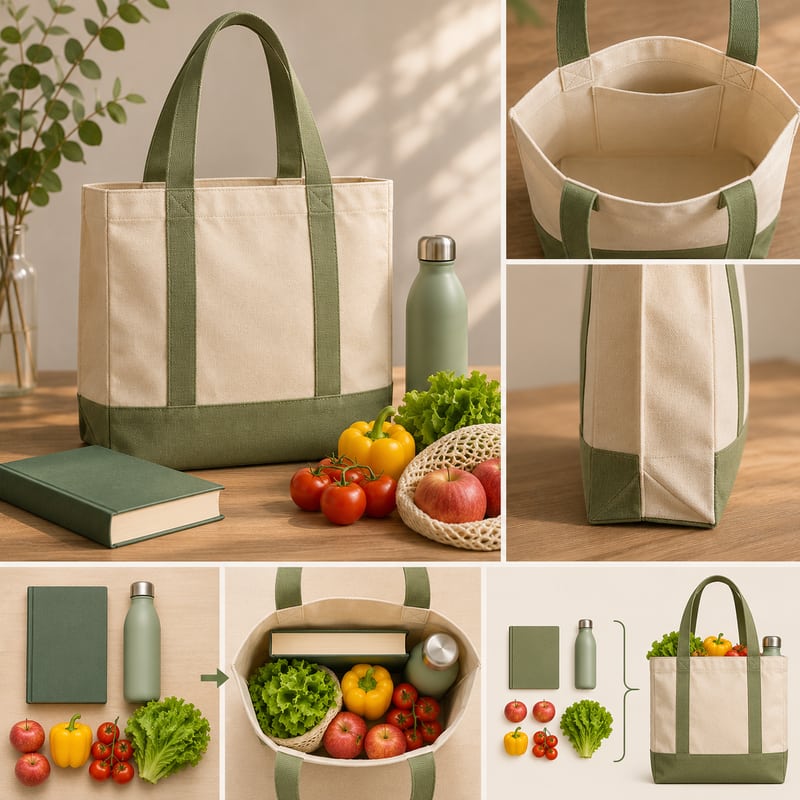
Reusable shopping bags become more useful after a giveaway when the size, gusset, handle drop, fabric weight, and closure match the expected contents. Agencies should confirm what the bag will carry, how far it will be carried, and whether recipients need hand carry, shoulder carry, or foldable storage.
Start With Contents Before Dimensions
Giftvera recommends starting with contents before artwork. The contents define the bag. Artwork decorates it.
For giveaway projects, agencies can ask clients these basic questions:
- What will be placed inside the bag at the event?
- What should recipients use the bag for later?
- What is the estimated weight when full?
- Will people carry it by hand, on the shoulder, or inside luggage?
- Does the bag need to stand, fold, zip, or close?
These questions are simple, but they prevent many design problems.
Common Size Ranges for Custom Giveaway Bags
The “right” size depends on the campaign, but some common ranges help with early planning.
| Bag style | Typical size range | Best use case | Notes |
|---|---|---|---|
| Small tote | 25–30 cm wide | Beauty gifts, small kits, retail samples | Feels neat and premium, but limited capacity |
| Standard shopper | 35–40 cm wide | Events, groceries, general giveaways | Versatile and easy to approve |
| Large tote | 42–48 cm wide | Trade shows, catalogs, apparel | Needs stronger handles and seams |
| Foldable shopper | 38–45 cm wide | Retail promotions, travel, daily storage | Convenient, but fabric choice matters |
| Gusseted tote | 10–18 cm gusset | Boxed gifts, groceries, product kits | Better packing volume and stability |
Handle Comfort Is Not a Small Detail
Clients commonly focus on fabric and logo first. However, handle comfort often determines whether reusable shopping bags are carried again.
A narrow handle can feel acceptable when the bag is empty. It can become uncomfortable when the bag holds catalogs, bottles, or retail items. A better handle may cost slightly more, but it can change the perceived value of the whole bag.
Useful handle choices include:
- Short hand handles for small boutique-style bags.
- Long shoulder handles for commuting and shopping.
- Wider webbing straps for heavier contents.
- Self-fabric handles for a cleaner retail look.
- Reinforced cross-stitching for better load support.
Giftvera usually confirms handle drop early because it affects both usability and appearance. A shoulder bag often needs a handle drop around 25–30 cm, depending on bag size and target user. A hand-carry tote can use a shorter drop, but it may be less convenient for errands.
Structure Can Signal Value
Structure influences how the bag feels in the hand and how it looks in photos. A flat, thin bag may be cheaper, but it can feel disposable. A bag with a gusset, lined interior, reinforced stitching, or shaped bottom can feel more like a product than a handout.
Agencies do not always need to choose the most expensive structure. They need to choose the structure that matches the campaign promise.
For example:
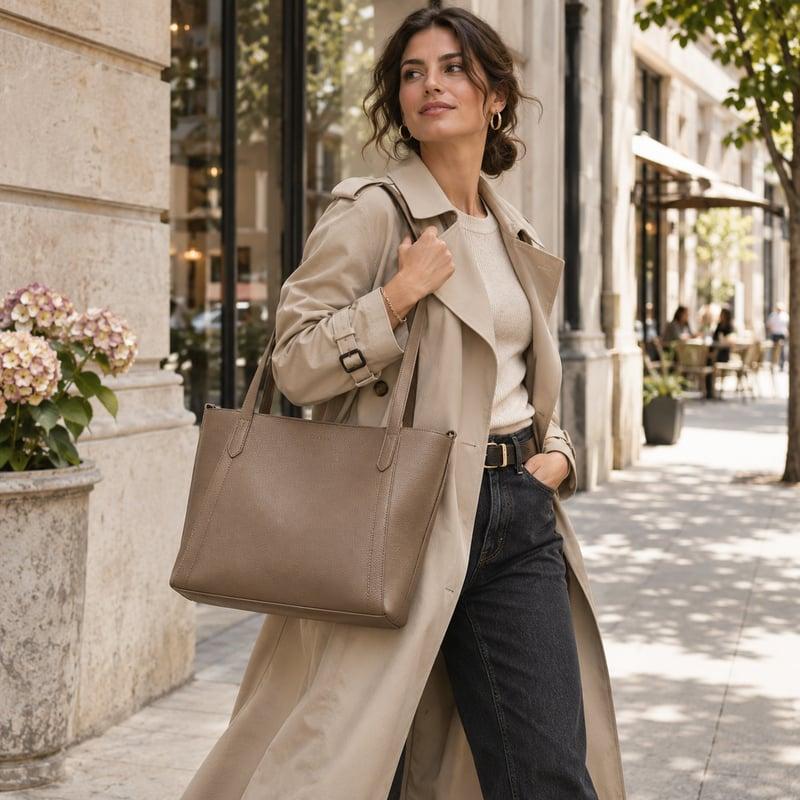
- A premium skincare brand may prefer a compact canvas tote with clean seams and subtle logo printing.
- A trade show sponsor may need a larger non-woven or polyester shopper with strong seams and higher capacity.
- A travel brand may choose a foldable nylon shopper with a pouch or snap closure.
- A membership campaign may use a cotton or canvas tote that looks acceptable with casual clothing.
A reusable bag works best when the structure supports the story. If the campaign says “premium,” the bag should not feel flimsy. If the campaign says “practical,” the bag should not be awkward to carry.
Which Materials Help Reusable Shopping Bags Feel Worth Keeping?
“Eco-friendly” language alone does not make a bag feel valuable. Recipients judge reusable shopping bags by touch, thickness, stitching, shape, and convenience. If the fabric feels weak or the bag loses shape quickly, the sustainability message may not be enough.
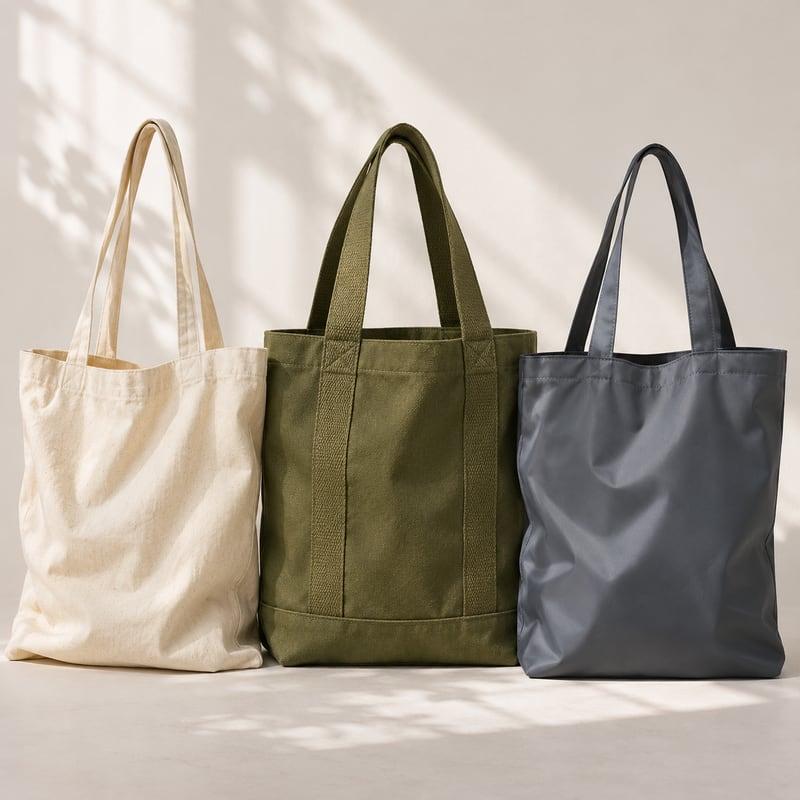
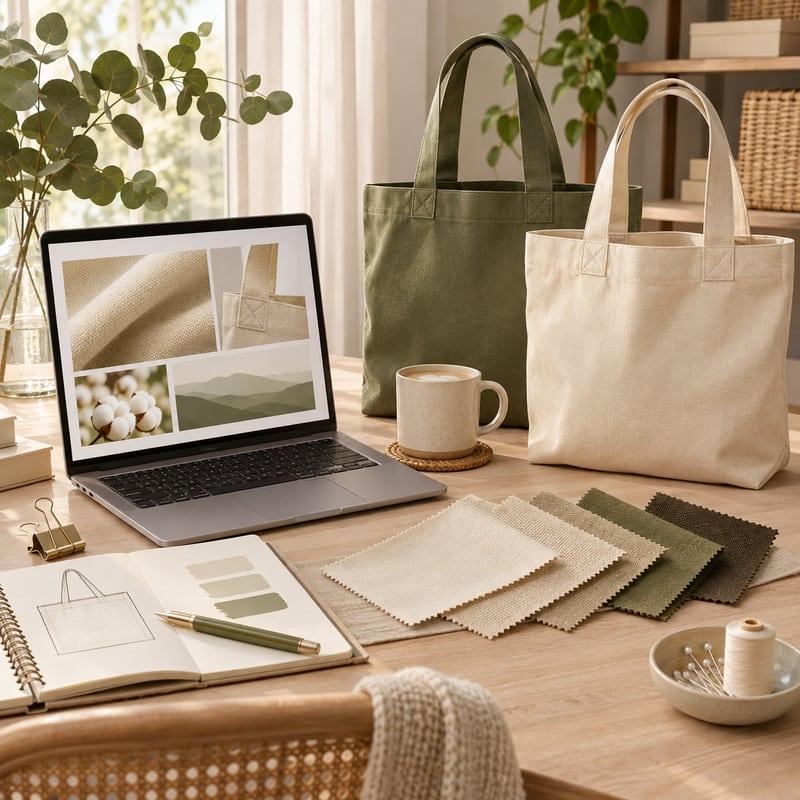
Materials help reusable shopping bags feel worth keeping when they match the campaign context and expected use. Cotton, canvas, non-woven, recycled PET, polyester, nylon, and PU details can all work, but the final value depends on fabric weight, finishing, stitching, handles, and overall construction.
Material Choice Should Follow the Use Case
Giftvera avoids treating material as a simple “good vs. bad” decision. The better question is: good for what use?
A thick canvas tote may be ideal for a lifestyle brand, but it may be too bulky for a travel campaign that needs foldability. A lightweight polyester shopper may be convenient for retail promotions, but it may not support a premium beauty launch unless the finishing is carefully handled.
Here is a practical comparison agencies can use in early project discussions.
| Material | Strengths | Watch-outs | Good fit |
|---|---|---|---|
| Non-woven PP | Budget-friendly, lightweight, many colors | Can feel promotional if too thin | Trade shows, mass giveaways |
| Cotton | Natural feel, familiar texture | Shrinkage and weight vary by fabric | Lifestyle brands, casual totes |
| Canvas | Durable, structured, higher perceived value | Higher cost and heavier shipping weight | Premium retail, employee gifts |
| Polyester | Colorful, printable, lightweight | May need reinforcement for heavy loads | Events, retail, sports campaigns |
| Nylon | Foldable, smooth, travel-friendly | Can feel too casual if design is plain | Travel, outdoor, compact shoppers |
| Recycled PET | Strong sustainability story when documented | Buyers should verify material claims | Brand campaigns with eco requirements |
| PU accents | Adds structure and premium detail | Not ideal for every sustainability brief | Gift sets, fashion-style totes |
Compare specifications in the cotton, canvas and recycled polyester material guide.
Fabric Weight Affects Perceived Quality
Fabric weight is one of the easiest ways to improve the feel of reusable shopping bags. However, more weight is not always better. A heavier bag may feel premium, but it also increases shipping volume and may reduce foldability.
For cotton and canvas, buyers often discuss fabric weight in ounces or grams per square meter. For synthetic fabrics, denier and coating may matter more. Agencies do not need to become textile engineers, but they should ask suppliers for material details and physical samples.
Giftvera usually recommends confirming:
- Fabric type and weight.
- Color matching method.
- Printing or embroidery compatibility.
- Stitching style.
- Handle material and reinforcement.
- Load-bearing expectations.
- Packaging method.
- Care instructions if relevant.
For recycled-content claims, request evidence for the selected material and order. Textile Exchange’s RCS and GRS overview.
The Whole Bag Creates the Value
A reusable shopping bag does not feel valuable because of fabric alone. It feels valuable because the parts work together.
Important details include:
- Stitch density: Cleaner stitching improves appearance and durability.
- Seam reinforcement: Stress points should be secured, especially near handles.
- Bottom gusset: A gusset helps the bag hold real items.
- Lining: A lining can improve perceived value for premium projects.
- Closure: A zipper, snap, or tie can make the bag more useful.
- Pocket: An inner pocket can increase daily use for commuting or travel.
- Packaging: A belly band, hangtag, pouch, or gift box can improve presentation.
In custom giveaway projects, Giftvera often sees clients upgrade one or two details rather than the entire specification. For example, a campaign may keep a standard fabric but add stronger handles and cleaner logo printing. Another campaign may choose a simple tote shape but improve packaging for a VIP gift set.
That balanced approach often works better than chasing the lowest price or overbuilding the bag. The goal is not to make a luxury product every time. The goal is to make the bag feel useful enough to survive beyond the campaign.
How Should Logo Placement Balance Brand Exposure and Public Carry Comfort?
A large logo can look powerful in a presentation, but it can also make reusable shopping bags feel too promotional for daily use. When recipients feel like walking advertisements, they may keep the bag at home. Long-term visibility depends on public carry comfort.
Logo placement should balance brand exposure with the recipient’s willingness to carry the bag in public. A smaller, cleaner, or better-positioned logo can create more real-world visibility than an oversized mark. Agencies should consider brand status, audience style, bag material, print method, and usage setting.
Bigger Is Not Always Better
Marketing teams naturally want visibility. That is reasonable. However, reusable shopping bags work differently from a banner or booth wall. A person must choose to carry the bag in public.
Giftvera often frames the logo question this way:
The best logo size is not the biggest size the bag can fit. The best logo size is the largest size the recipient still feels comfortable carrying.
This distinction helps agencies guide clients away from purely event-day thinking. A huge logo may create strong photos at the event, but a more wearable design may travel farther after the campaign.
Common Logo Treatments
Different logo methods create different feelings. The right choice depends on the brand, budget, quantity, and material.
| Logo method | Best for | Visual effect | Notes |
|---|---|---|---|
| Screen printing | Cotton, canvas, non-woven, polyester | Clean and cost-effective | Good for simple logos and larger quantities |
| Heat transfer | Detailed graphics, gradients | Sharp and colorful | Must match fabric and durability needs |
| Embroidery | Premium totes, smaller marks | Textured and refined | Better for smaller logos or badges |
| Woven label | Subtle branding | Retail-like and discreet | Good for long-term carry comfort |
| Leather or PU patch | Premium gift sets | Elevated and structured | Works well on canvas or fashion-style totes |
| Debossed detail | PU accents | Subtle and premium | Less visible from far away |
| All-over print | Fashion or retail campaigns | Bold and expressive | Needs strong creative direction |
Placement Changes the Message
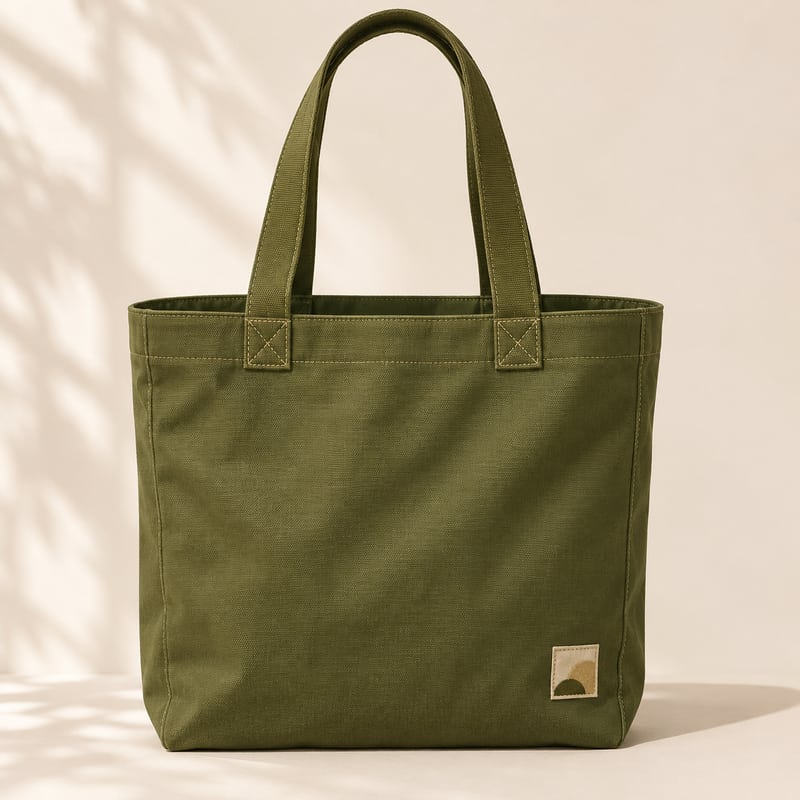
Logo placement can make the same bag feel promotional, retail, or premium.
Common placement options include:
- Centered front logo: Clear and classic, but can feel corporate if too large.
- Lower corner logo: More discreet and wearable.
- Side seam label: Very subtle and retail-like.
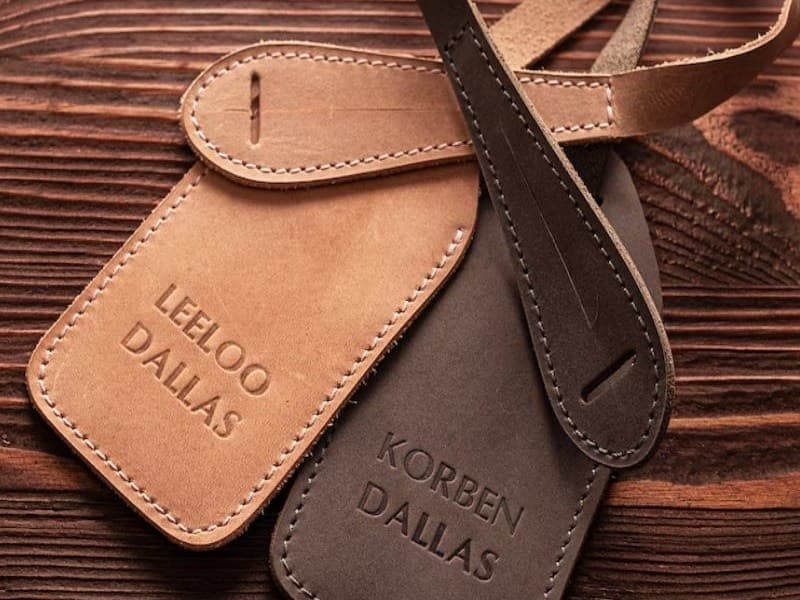
- Handle tag: Good for premium gift sets.
- Inside label: Useful for quiet branding or co-branded campaigns.
- Pattern print: Stronger fashion effect, but not suitable for every brand.
For beauty and lifestyle brands, Giftvera often sees interest in small front logos, woven labels, tone-on-tone printing, or matching logo colors to the bag. These choices can feel more like merchandise than a giveaway. For trade shows or internal corporate campaigns, a larger front logo may still make sense because the campaign context is more direct.
Co-Branding Needs Extra Care
Agencies often manage projects with more than one logo. A sponsor logo, event logo, and client logo may all need space. If all marks appear equally large, the bag can become visually crowded.
A cleaner hierarchy helps:
- Main brand mark.
- Campaign or event name.
- Supporting sponsor marks.
- Website or social handle only if useful.
The bag should still look like something a person might carry later. If every panel becomes an advertisement, reuse may drop. Agencies can propose a hangtag or printed insert for extra campaign information instead of placing everything on the bag surface.
How Can Agencies Brief Suppliers for Custom Reusable Shopping Bags?
A vague supplier brief can lead to wrong pricing, weak samples, and last-minute compromises. Reusable shopping bags need clear information because size, fabric, stitching, logo method, packaging, quantity, and delivery date all affect the final proposal.
Agencies can brief suppliers for custom reusable shopping bags by sharing the campaign goal, target recipient, expected contents, quantity, budget range, artwork files, preferred material, packaging needs, delivery location, and deadline. A clear brief helps suppliers recommend realistic options before sampling and production.
Review artwork and packaging through the Giftvera customization guide.
A Better Brief Saves Time
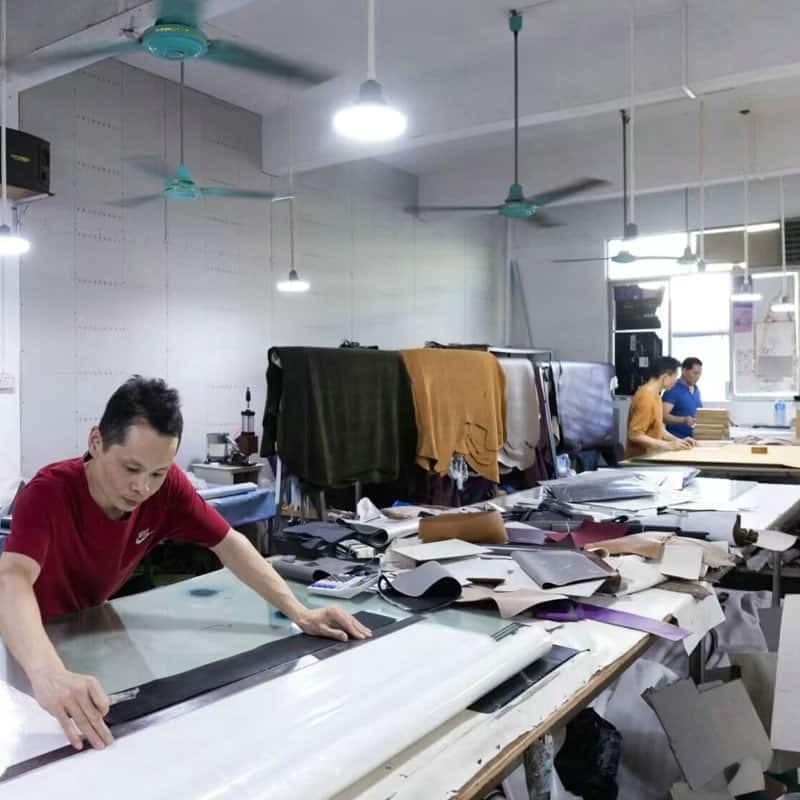
Giftvera works with overseas brands, agencies, gift distributors, and corporate buyers on custom bags and small leather goods. In many projects, the fastest progress happens when the agency provides both creative direction and practical constraints.
A helpful supplier brief does not need to be long. It needs to be specific.
Useful details include:
- Campaign type: launch event, trade show, retail gift, employee gift, VIP kit.
- Target recipient: customers, media, employees, hotel guests, members.
- Quantity: for example, 100–300 pieces per style, depending on material; higher quantities may improve unit economics.
- Target budget: unit budget and packaging budget if separate.
- Expected contents: product samples, catalogs, apparel, travel items, gift box.
- Preferred material: canvas, cotton, non-woven, nylon, polyester, RPET, PU details.
- Logo requirement: size, position, color, method, brand guidelines.
- Bag function: foldable, zippered, gusseted, lined, pocketed, washable.
- Packaging: bulk pack, individual polybag, paper band, gift box, set assembly.
- Delivery details: destination, deadline, shipping method, event date.
Sample Confirmation Should Be Practical
A sample is not only for checking logo color. It is also for checking how the bag behaves.
Giftvera usually suggests reviewing these sample points:
| Checkpoint | What to review | Why it matters |
|---|---|---|
| Size | Width, height, gusset, handle drop | Confirms the bag fits intended contents |
| Material | Texture, thickness, color | Affects perceived value |
| Logo | Color, position, scale, sharpness | Controls brand presentation |
| Stitching | Handle joints, seams, corners | Affects durability |
| Shape | Structure when empty and filled | Influences appearance and usability |
| Comfort | Hand feel and shoulder fit | Supports reuse |
| Packaging | Presentation and protection | Affects first impression |
| Packing | Carton quantity and weight | Affects shipping planning |
A quick photo approval may not be enough for a high-visibility campaign. If timing allows, agencies should review a physical pre-production sample. For application-specific durability requirements, buyers should ask for relevant testing standards or arrange qualified evaluation.
Budget Trade-Offs Should Be Transparent
Reusable shopping bags involve trade-offs. A lower unit price may mean thinner fabric, simpler stitching, basic packaging, or fewer structural features. A higher unit price may allow stronger handles, better fabric, lining, pockets, or premium logo methods.
Agencies can manage client expectations by presenting options in tiers.
| Option | Design direction | Best for |
|---|---|---|
| Essential | Simple shape, standard fabric, one-color logo | Mass events and tight budgets |
| Practical | Better handles, gusset, improved stitching | Campaigns focused on reuse |
| Premium | Heavier fabric, refined logo, custom packaging | VIP gifts and brand launches |
| Gift set | Bag plus matching accessories or box | Client appreciation and retail campaigns |
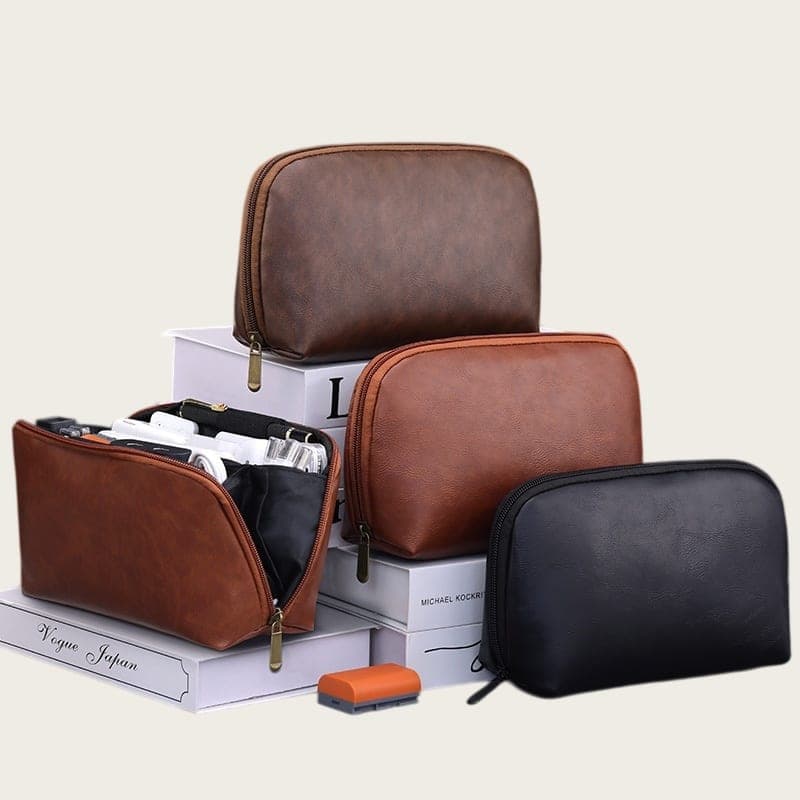
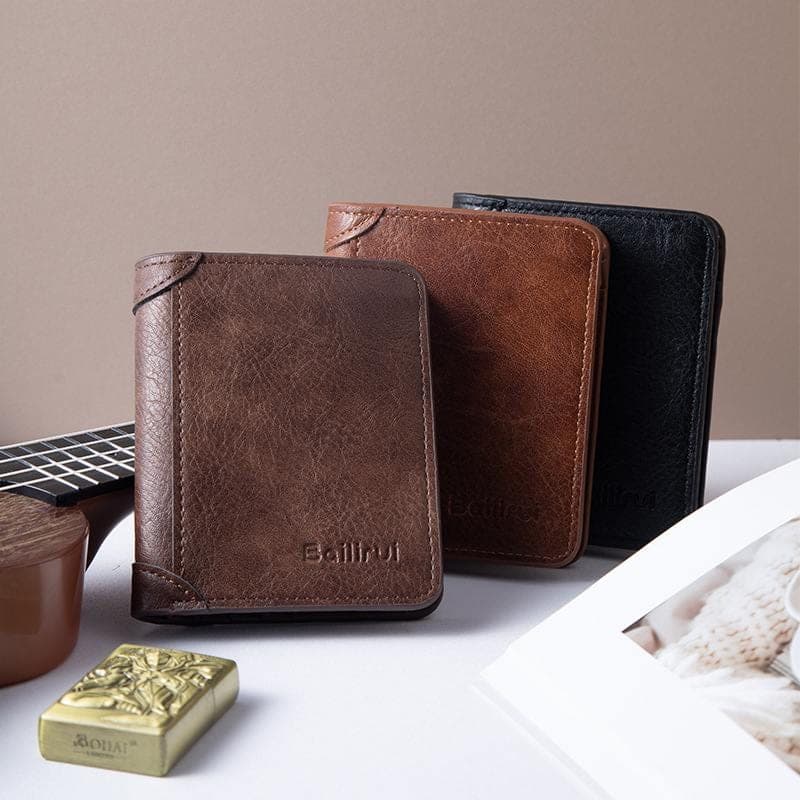
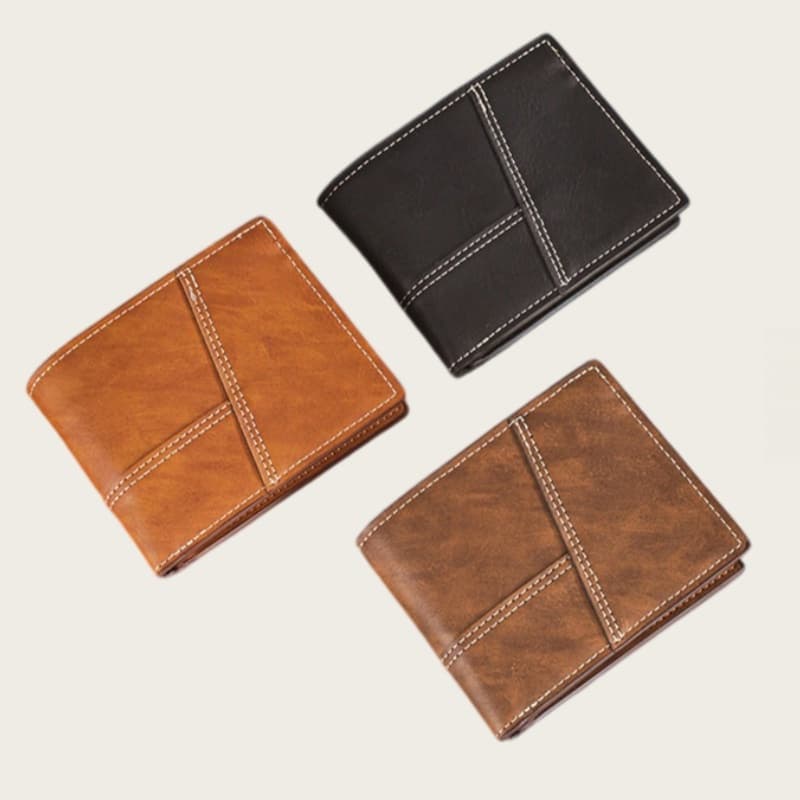
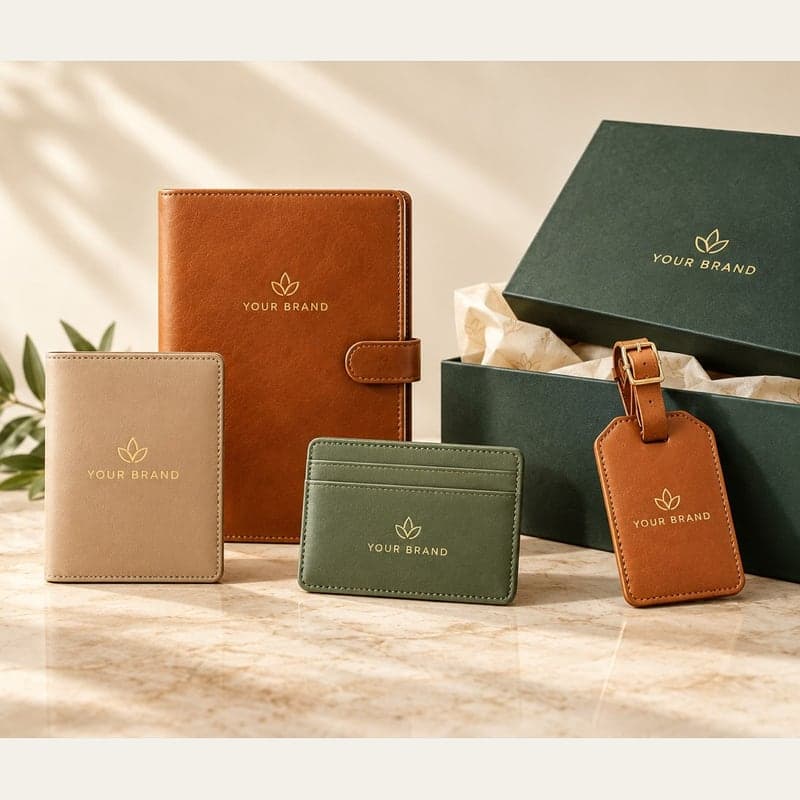
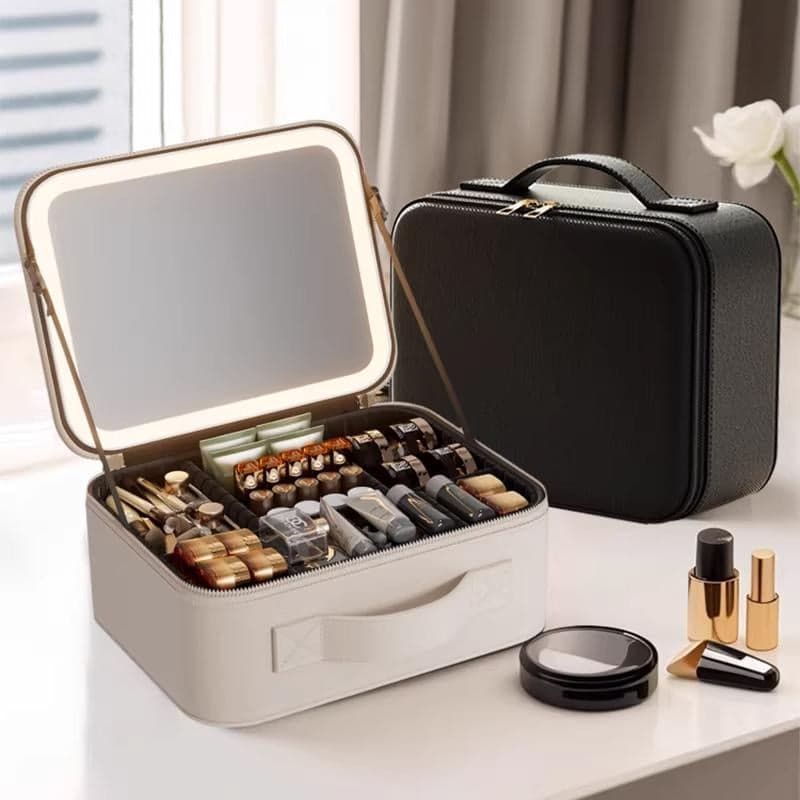
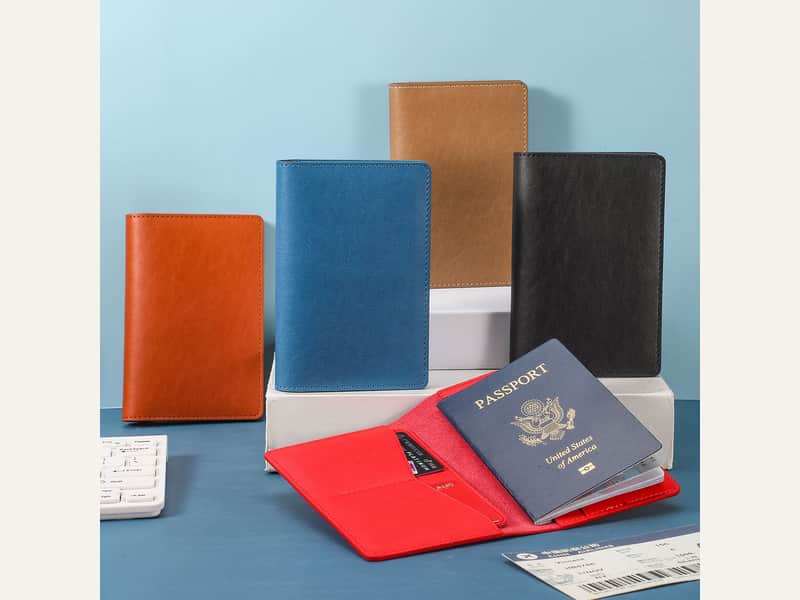
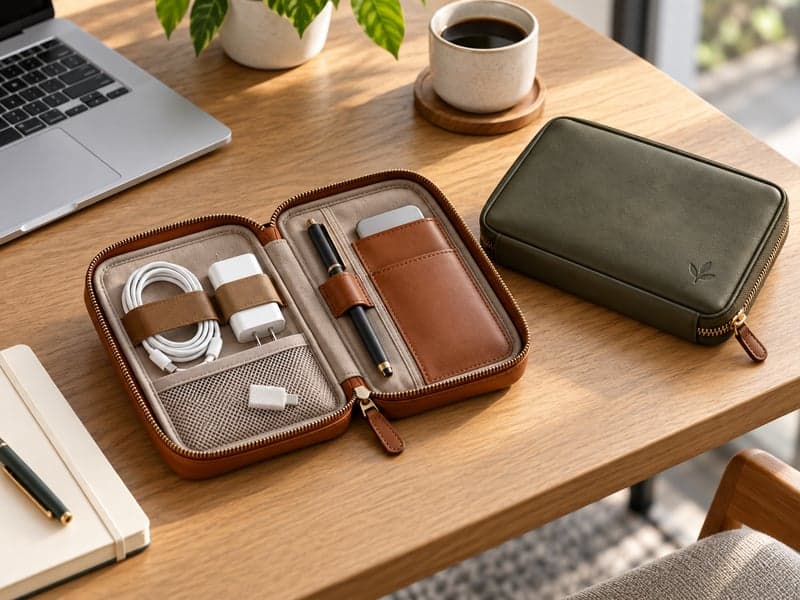
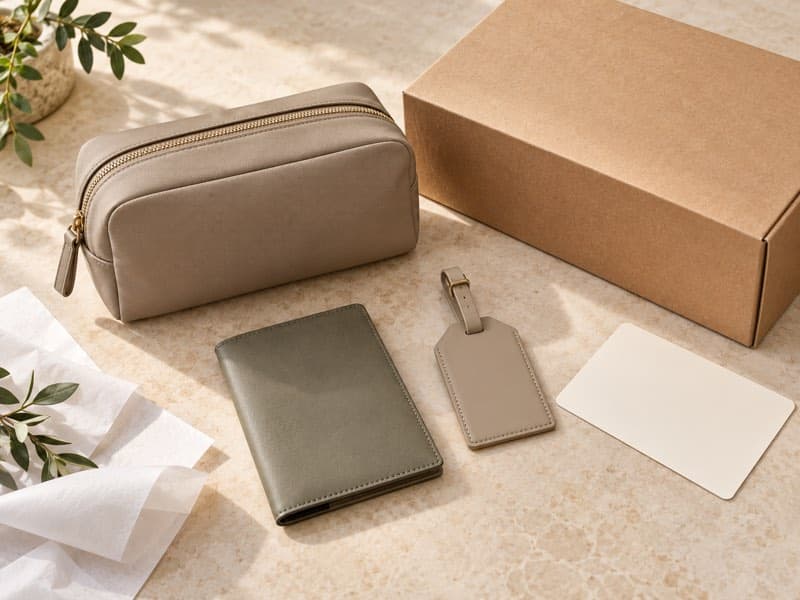
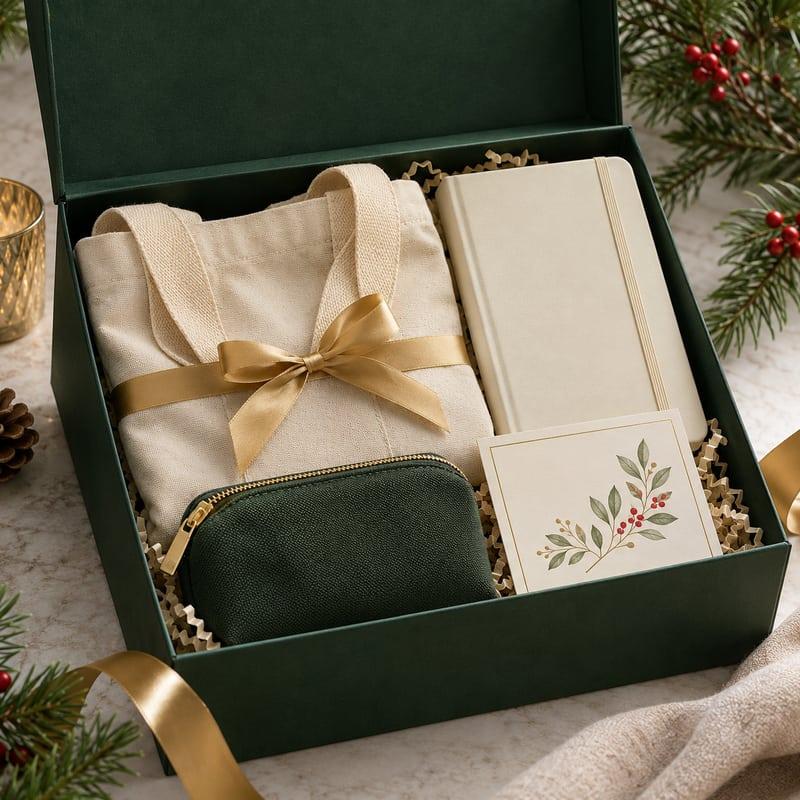
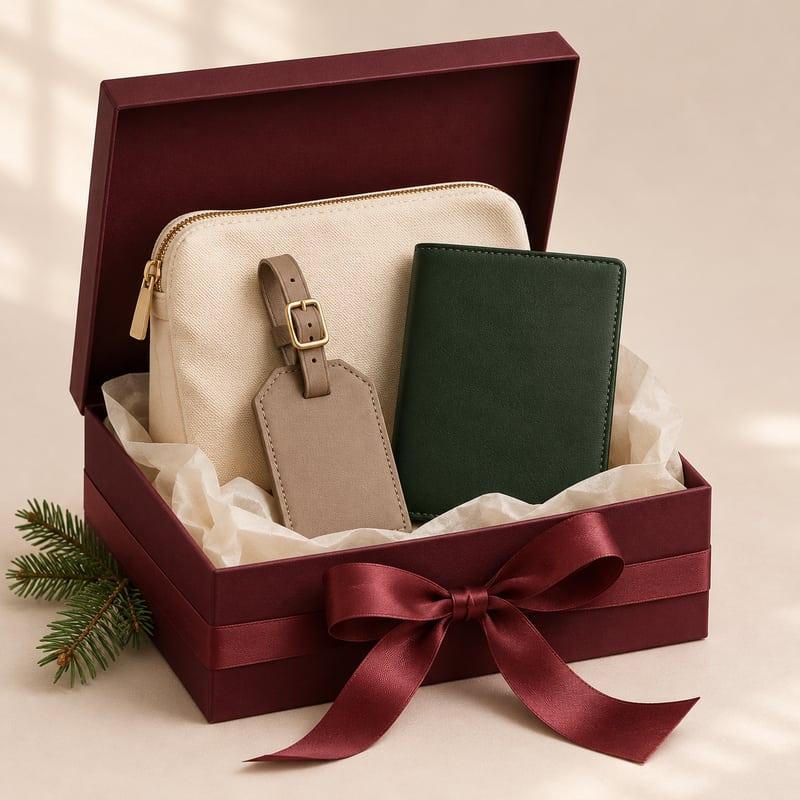
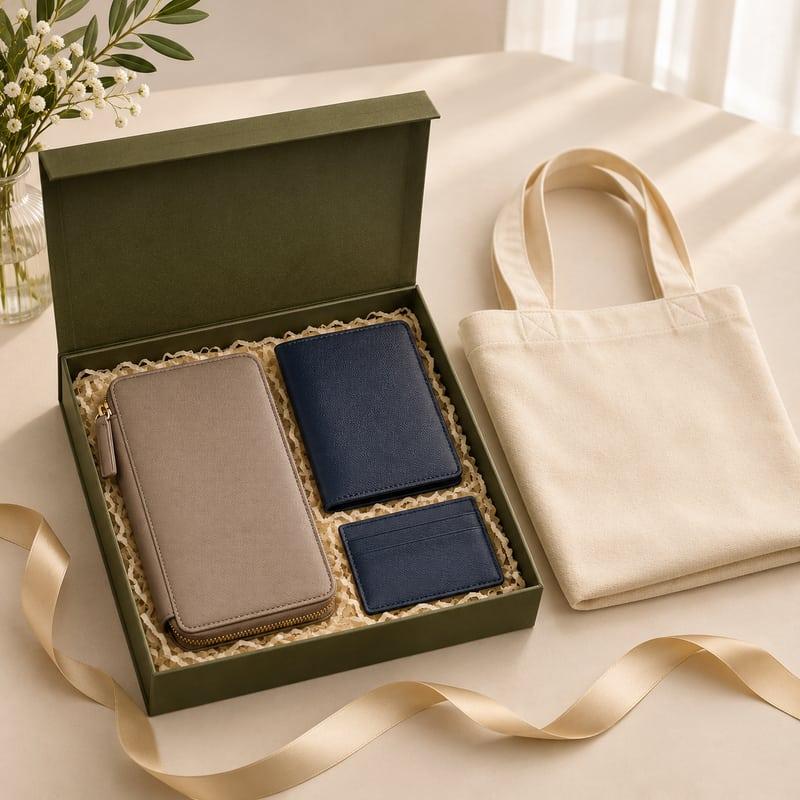
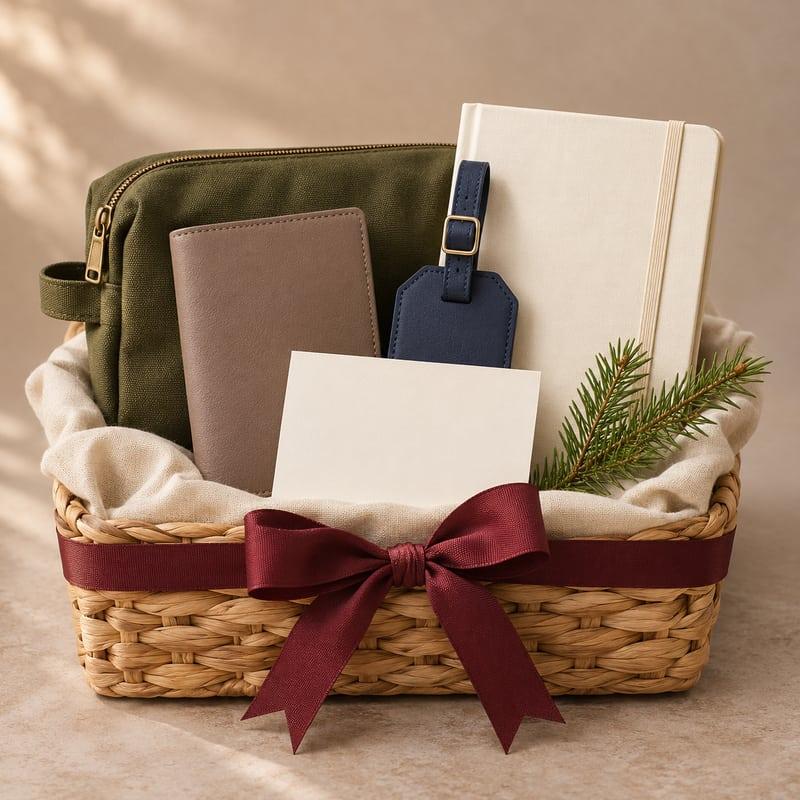
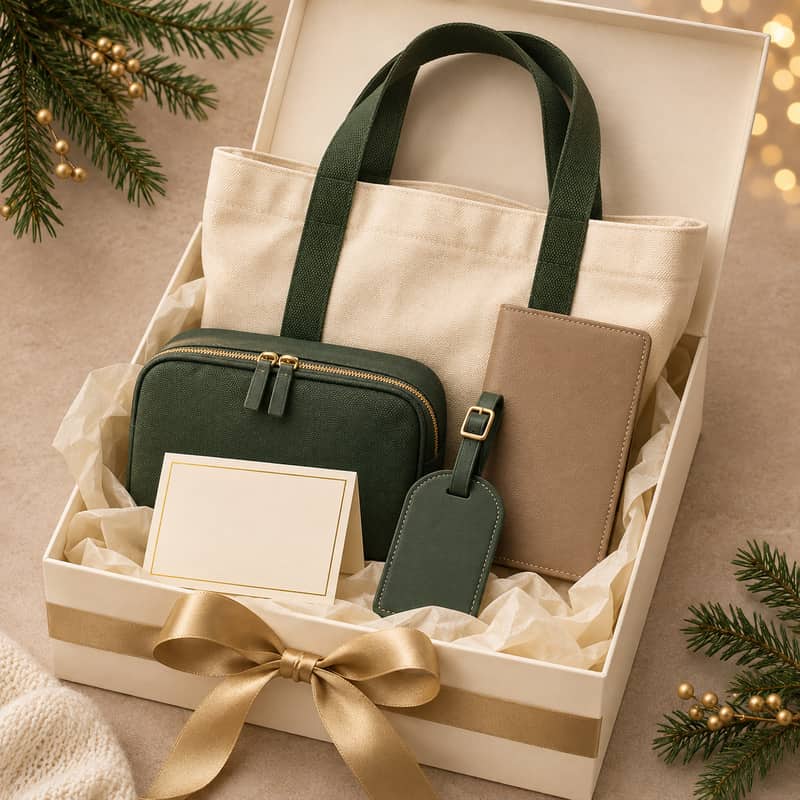
Giftvera often helps clients coordinate gift sets that include reusable shopping bags with items such as cosmetic pouches, travel organizers, card holders, luggage tags, or passport holders. This can make the bag part of a larger experience instead of a standalone giveaway.
The key is to keep the bag useful. A beautiful gift box cannot fix an uncomfortable bag. A low-cost bag can still work if the use case is clear and the structure is honest. The best supplier discussions focus on fit, quality, timing, and recipient behavior.
Frequently Asked Questions
What is the best size for reusable shopping bags used in giveaways?
A standard shopper around 35–40 cm wide works for many events, but the best size depends on contents and post-event use. Giftvera recommends confirming expected weight, product dimensions, handle style, and whether the bag needs a gusset before finalizing the size.
Are cotton or canvas reusable shopping bags always better?
Cotton and canvas can feel more natural and premium, but they are not always the best choice. Nylon or polyester may work better for foldable travel shoppers. Non-woven bags may fit mass event budgets. The best material depends on use case, budget, quantity, and brand positioning.
How large should the logo be on a giveaway tote bag?
The logo should be large enough to identify the brand but not so large that recipients feel uncomfortable carrying the bag later. For long-term use, subtle placements such as a lower corner print, woven label, or tone-on-tone logo can sometimes work better than oversized branding.
What details make reusable shopping bags feel more durable?
Durability perception improves with stronger fabric, reinforced handle stitching, clean seams, a useful gusset, comfortable straps, and stable shape. For heavier loads or specific performance needs, agencies should ask suppliers about testing documents or arrange qualified evaluation before approving production.
Can reusable shopping bags be included in custom gift sets?
Yes. Reusable shopping bags can work well in custom gift sets for beauty launches, travel campaigns, employee welcome kits, and VIP gifts. Giftvera can coordinate matching items such as cosmetic bags, travel pouches, luggage tags, passport holders, packaging, sampling, quality checks, and shipment planning.
How do you test whether a giveaway bag suits everyday use?
Load it with the items recipients are likely to carry after the event. Walk with it, open it and set it down. Check handle comfort, access, balance and whether the logo stays readable on the filled bag.
Which logo placement suits a bag for commuting?
A small corner mark, woven label or subtle panel print can suit workday outfits. Check the placement with a loaded sample and a jacket so folds and the carrying position are visible before approval.
How can a reusable shopping bag be made easier to store?
For a foldable design, test whether the bag fits back into its pocket or sleeve after ordinary use. Confirm the packed dimensions including closures and handles. For a structured tote, check whether it can lie flat without damaging the artwork.
Conclusion
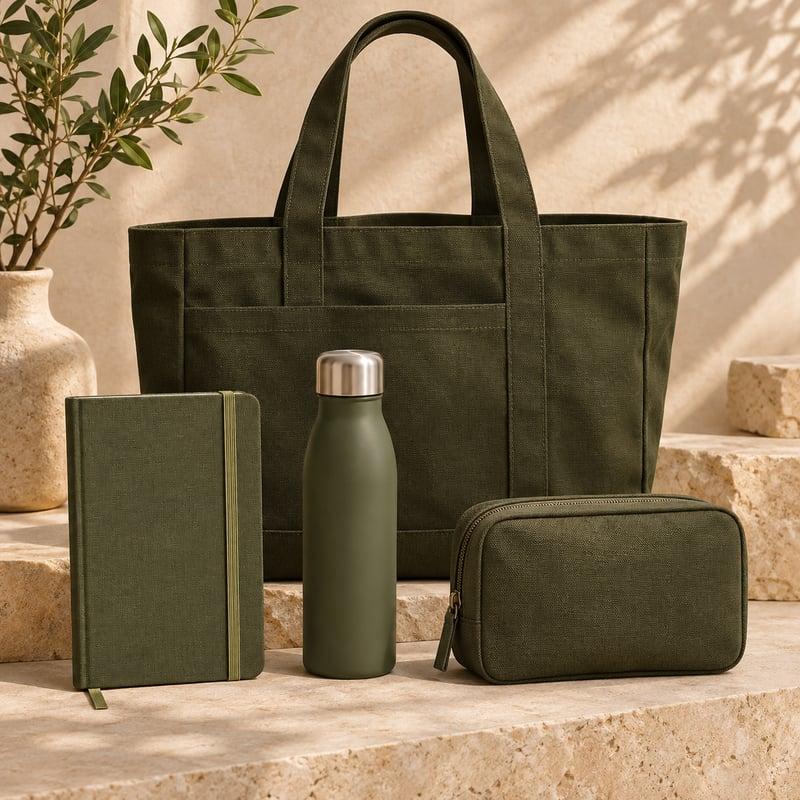
Reusable shopping bags work best when agencies design them for real life after the giveaway. The strongest choices usually come from clear use cases: what recipients carry, where they carry it, how the bag feels, and whether the branding feels comfortable in public. Giftvera helps brands, agencies, and gift distributors develop custom bags, review materials, arrange samples, coordinate packaging, and manage production. Share your campaign goal, quantity, budget, and delivery date with Giftvera to start a practical reusable shopping bag proposal.
Explore Giftvera’s premium gifting options when the reusable bag is part of a coordinated collection.