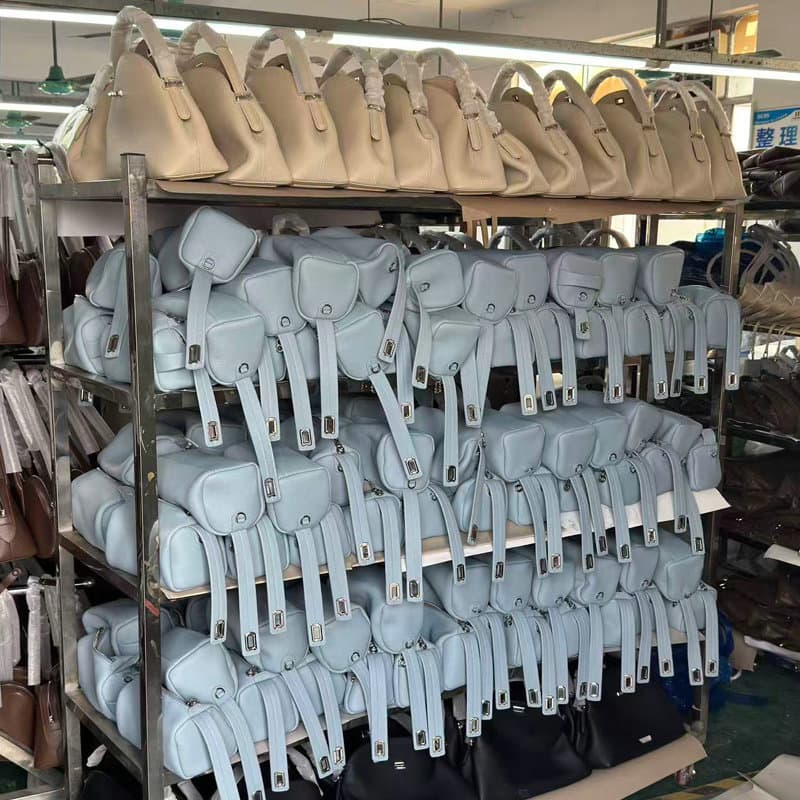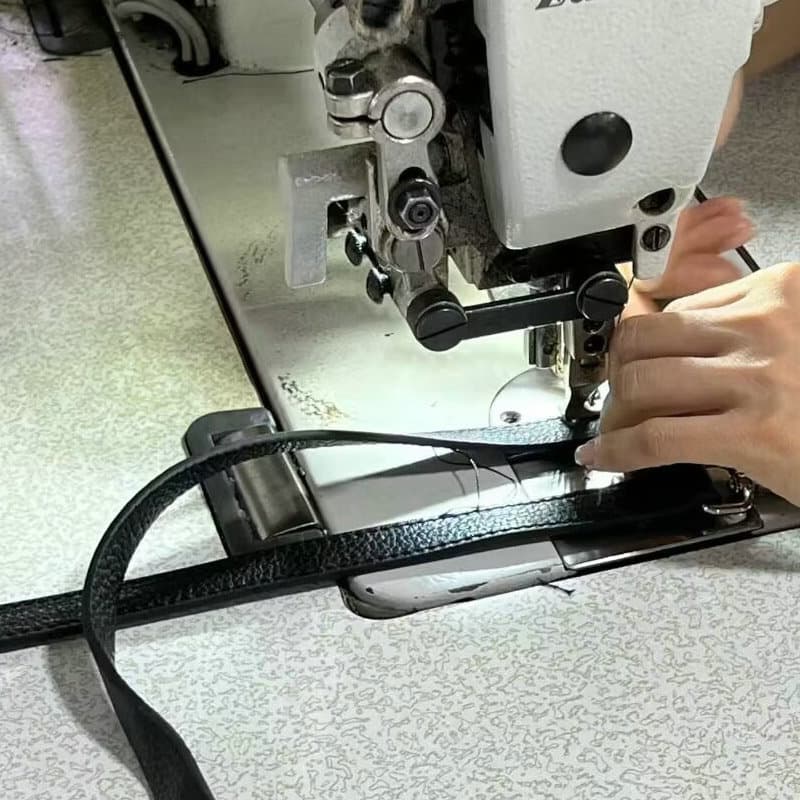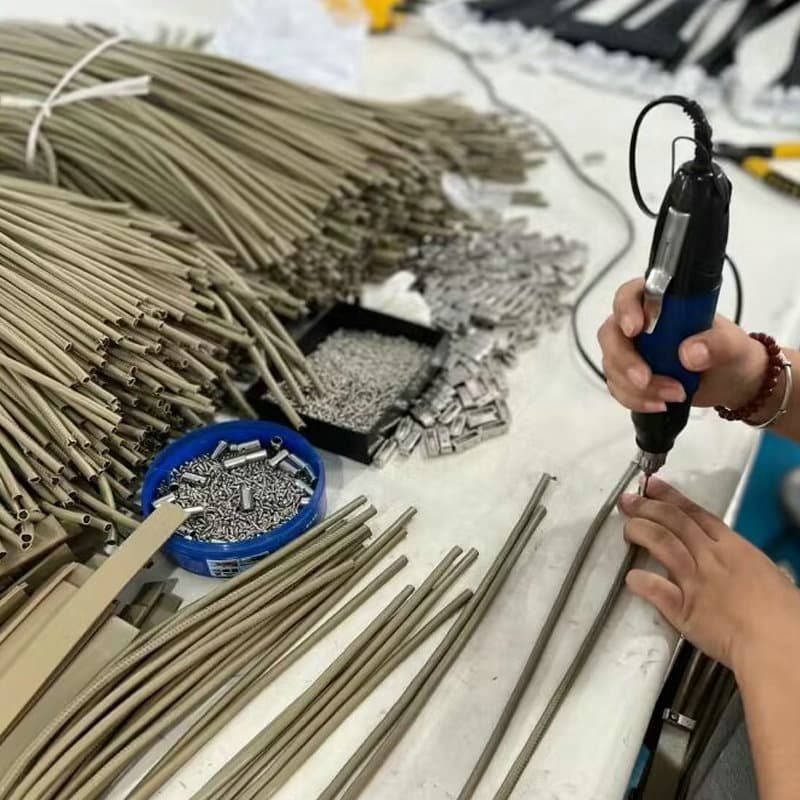

Custom branded shopping bags for corporate gifts can be useful when the recipient needs a reusable carry item rather than a one-time giveaway. They may support an event, a welcome kit, a retail-related programme, or a client gift set. The best option depends on what the bag must carry, how it will be handed out, and how the brand should appear in normal use.
This guide helps a B2B buyer create a clearer brief. It does not confirm a particular material, size, weight capacity, quantity minimum, production schedule, or delivery term. Those details should be confirmed for the selected product and project.
The short answer
Choose a shopping bag for corporate gifting when it has a useful carrying role after the gift moment. Define the intended contents, recipient, logo visibility, packing needs, and distribution method before selecting a format. A physical sample should demonstrate both the brand treatment and ordinary use before it becomes the approval reference.
Start with the item’s job
“Shopping bag” can mean a foldable tote, a structured carry bag, a gift-set bag, or a reusable event bag. These formats solve different problems. A team should first define the job the item must do instead of choosing by logo area alone.
Common roles include:
- carrying programme materials at an event or meeting;
- presenting a curated corporate gift set;
- supporting an employee welcome or recognition kit;
- giving clients a reusable item with a clear day-to-day purpose; and
- providing a branded outer bag for a retail or launch programme.
The chosen role affects the required opening, handles, shape, protection, and presentation. If the intended contents are not known, list them as “to be confirmed” rather than assuming capacity from a product photo.
Build a brief suppliers can compare
| Brief area | What to define | Why it matters |
|---|---|---|
| Recipient and occasion | Who receives the gift and how it is handed out | Sets the expected level of presentation and visibility |
| Intended contents | What the bag needs to carry | Guides the required format and practical sample checks |
| Brand assets | Approved logo files, colors, artwork rules | Supports a feasible logo recommendation |
| Quantity and target date | Required volume and in-hand date | Lets a supplier assess the available project route |
| Packaging and destination | Individual protection, insert cards, labels, distribution points | Prevents pack-out requirements from being added too late |
| Approval reference | Product sample, logo sample, packaging proof, or pre-production sample | Gives everyone the same definition of approved |
Provide the brief in writing and keep artwork versions with it. That makes quotations more comparable and reduces changes caused by an incomplete handover.
Design for carrying comfort and logo visibility
Branding must work with the bag’s use. A large front mark can be visible, but it may not be the right choice if it sits over a seam, pocket, fold, or frequently handled area. The finished item should still feel useful when filled and carried.
Check the intended contents on a sample
Ask the sample to show the real use case. Does it hold the programme items? Does the opening remain easy to use? Do the handles feel appropriate when the item is filled? Is the bag stable enough for its intended handout or storage route? These are buyer checks, not claims about a specific product.
Choose a branding method after choosing the format
The surface, construction, artwork detail, and required visibility all affect the right logo approach. Provide final artwork early and review it at the intended size on a comparable product surface. A digital mock-up is useful for direction, but it cannot prove the final placement or physical appearance.
Use the packaging as part of the brand system
The main brand expression may be on the bag, an insert card, a sleeve, or the full gift-set presentation. Plan these components together so the recipient sees a consistent programme rather than a product and packaging assembled separately.
For general logo and presentation decisions, see What Are Branded Gifts? and the customization overview.
Plan handout and distribution before approval
Distribution can change the product requirements. An event handout may require quick counting and protective packing. A multi-office employee programme may need labels and allocation instructions. A client gift set may need more presentation protection.
- Event handout: confirm how bags are counted, stored, and protected before distribution.
- Gift-set presentation: approve the bag together with the items, insert, and any protective materials inside it.
- Multiple recipients or locations: document quantity splits, labels, and destination requirements.
- Individual shipping: identify the required packaging and any recipient-data process before committing to that method.
Avoid publishing or sharing personal recipient information in product imagery, sample files, or public page content without authorization.
Approve a complete reference
The approval process should cover more than the product shape. A practical checklist includes:
- Intended contents and usable carrying format.
- Visible construction, opening, handles, and closure features relevant to the brief.
- Final logo artwork, placement, scale, and legibility.
- Packaging, inserts, labels, and protection method.
- Quantity allocation and distribution instructions.
- Written notes on any project-specific requirement that must be repeated.
Keep sample photos and approved artwork together. If something changes after approval, confirm whether it affects the bag, logo treatment, packaging, budget, or timing before moving forward.
Questions to ask before requesting a quote
- Which formats are suitable for the intended contents and handout method?
- Which logo treatments are feasible on the selected bag surface?
- What artwork files are required for a relevant sample?
- Which product and packaging items can be reviewed before approval?
- What details affect the quotation or project schedule?
- How should finished goods be checked against the approved reference?
For a broader project-planning view, read What Are Corporate Gifts? and How to Choose a Corporate Gift Supplier.
Frequently asked questions
Are shopping bags suitable for corporate gifts?
They can be when the recipient has a plausible carrying use and the bag fits the occasion. Select the format from the intended contents and delivery method, not only from brand visibility.
What should a shopping-bag brief include?
Include the recipient, occasion, intended contents, quantity, target date, final artwork, packaging needs, destination, and sample approvals. Mark unresolved details as “to be confirmed.”
Can the bag be part of a larger gift set?
Yes. When it is, approve the bag with the other items and the full pack-out so presentation and protection work together.
Prepare the next conversation
Use the shopping bags category to start comparing directions. Send the recipient group, intended contents, quantity, target date, artwork, packaging idea, and distribution requirements through the inquiry form. Product specifications, materials, quantity minimums, timing, and delivery terms must be confirmed for the individual project.