Reusable shopping bags create value only when they are easy to use again. A bag can look good at a launch or checkout counter, yet still end up unused if it is too bulky to fold, awkward to store, or uncomfortable to carry.
Key insight: The most reusable bag is not automatically the thinnest or the strongest. It is the one whose material, folded format, storage feature and handles suit the recipient’s real routine. For a branded project, test the open bag and the folded bag before approving production.
The custom shopping bags collection is a useful starting point for comparing formats. This guide explains how to choose a fold and storage approach around the material and use case, then turn those decisions into a clearer custom brief.
Start with how the bag will be used again
Before choosing a fold, decide where the bag needs to live between uses. A compact travel shopper may need to fit inside a handbag or backpack. A grocery tote may stay in a car or by the front door. A structured retail bag may be stored flat at home rather than carried every day.
| Recipient routine | Useful storage location | Better starting direction |
|---|---|---|
| Commuting or errands | Handbag, backpack or coat pocket | Lightweight fabric with a pouch or snap |
| Grocery shopping | Car door, trunk or entryway | Larger flat-fold or panel-fold bag |
| Office or event use | Desk drawer, locker or laptop bag | Flat-fold tote with comfortable handles |
| Travel | Suitcase or day bag | Soft nylon or polyester with compact storage |
| Retail gift-with-purchase | Existing handbag | Small foldable bag that opens quickly |
The intended contents still matter. A bag made to carry brochures and a water bottle does not need the same base, reinforcement or folded profile as a bag meant for a light retail purchase. Treat foldability as one part of the product brief—not a substitute for defining fit and construction.
Fold reusable bags by material and structure
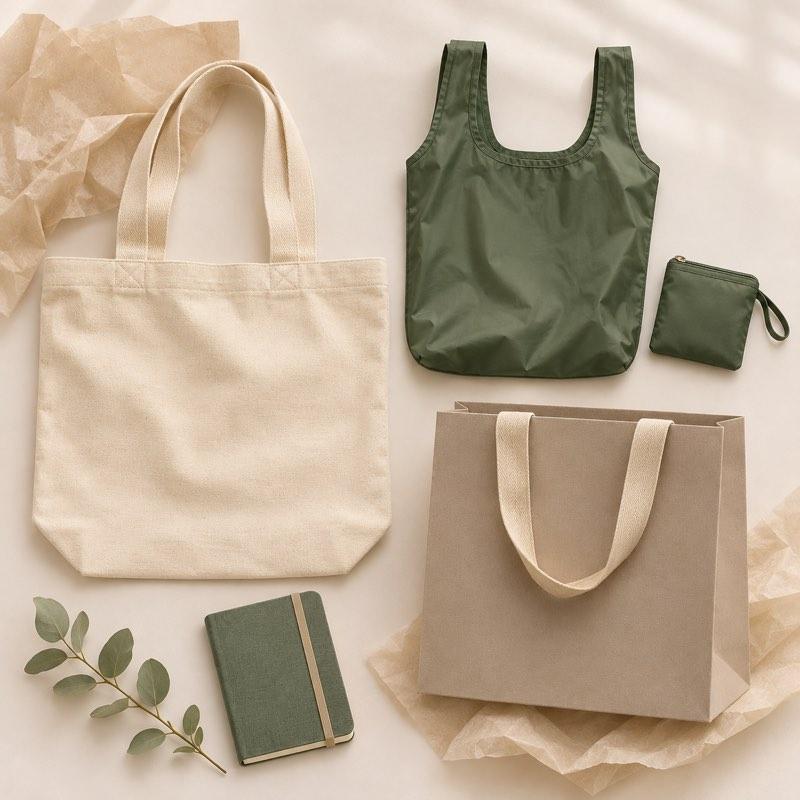
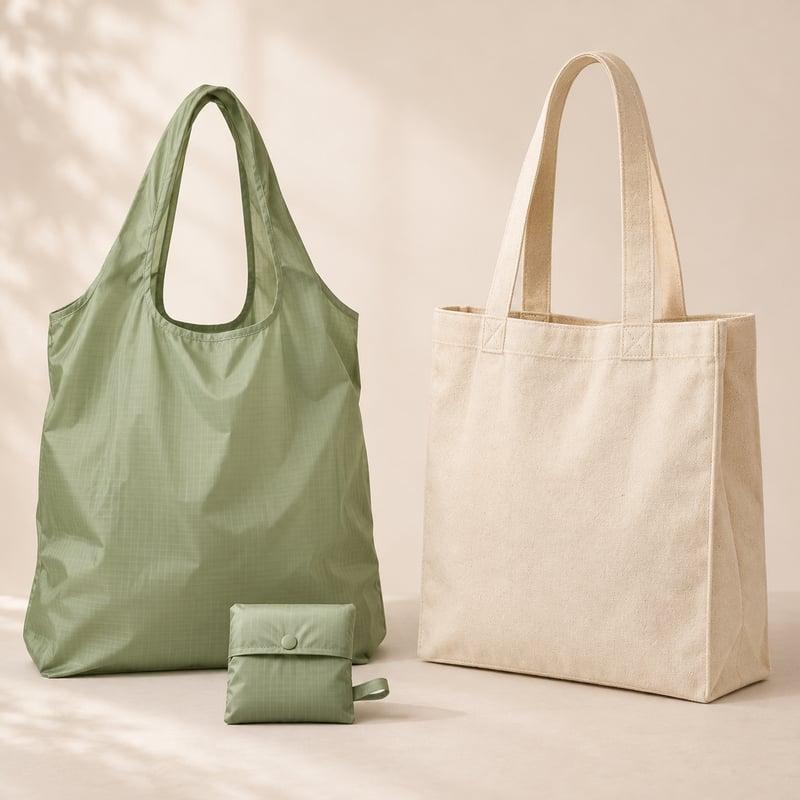
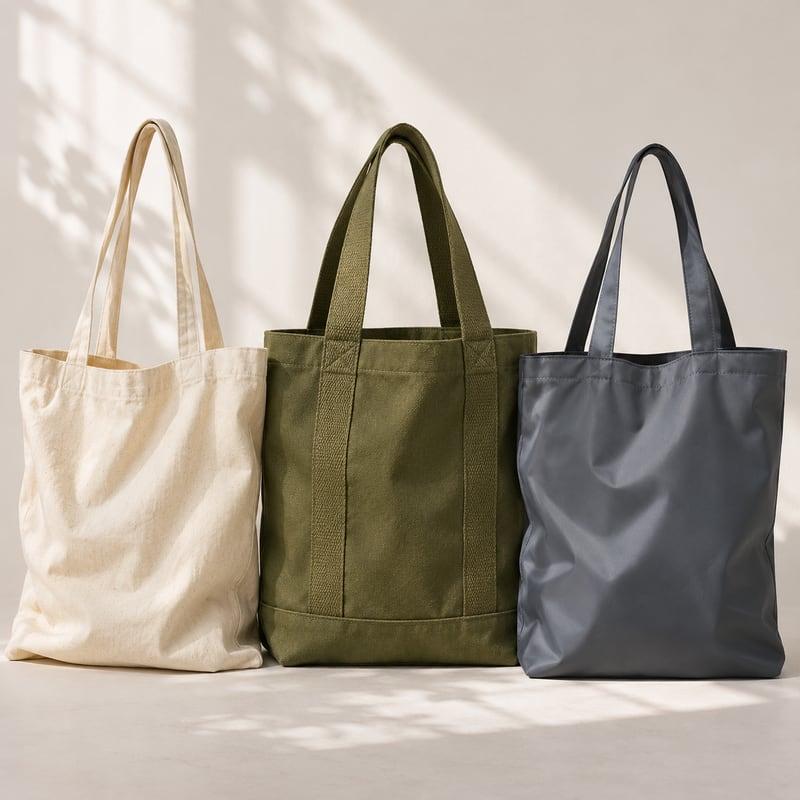
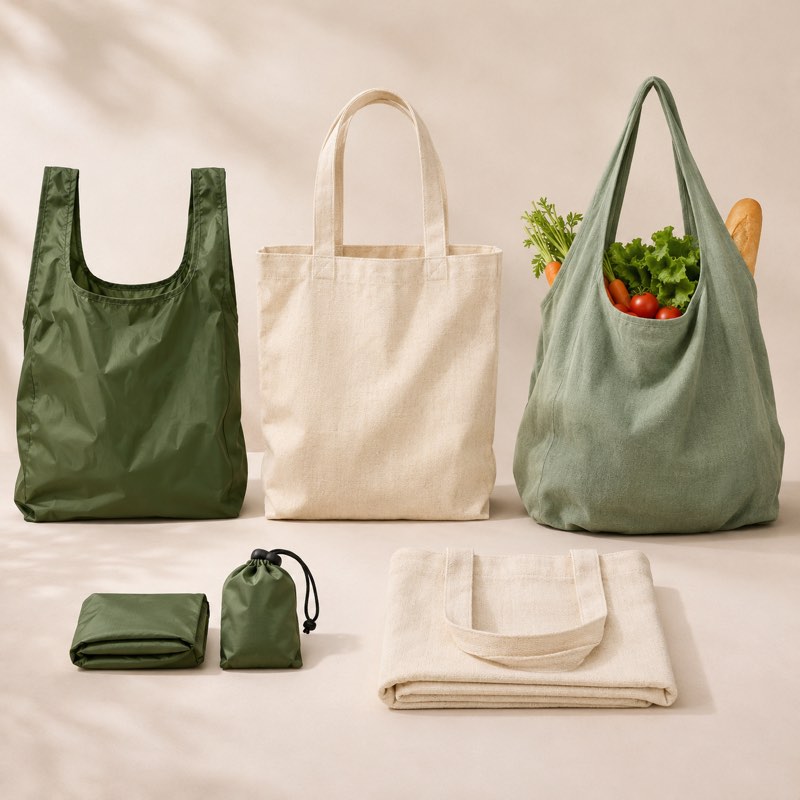
There is no universal folding method. Soft, thin fabrics can roll or reverse into a pouch; heavier canvas is usually easier to flatten; reinforced or laminated panels work best when folded along their existing seams.
| Bag format | Practical folding approach | What to check on the sample |
|---|---|---|
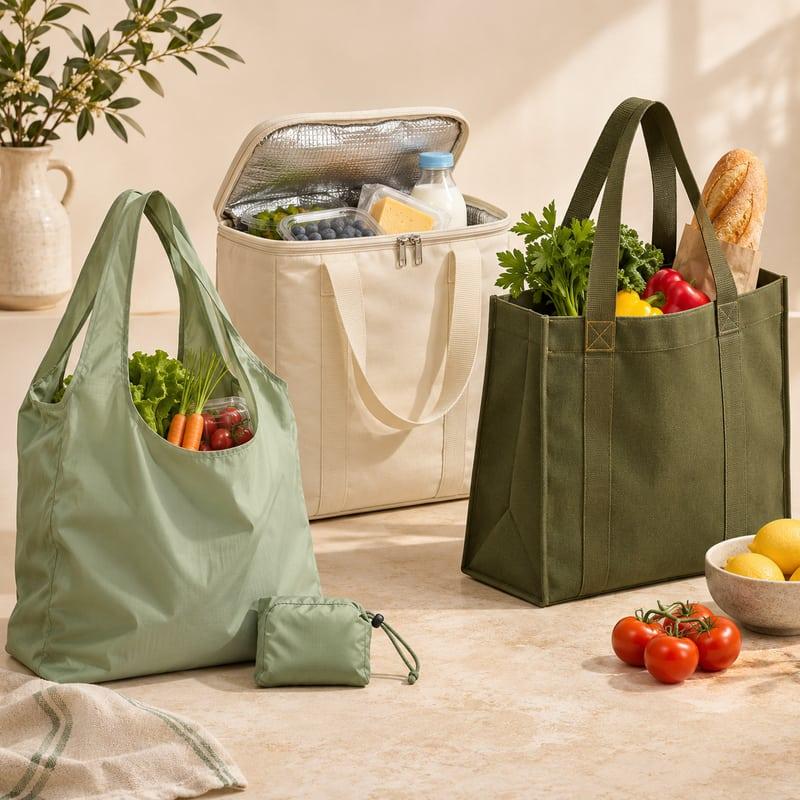
| Lightweight nylon or polyester shopper | Side-fold, roll or reverse into a pouch | Pouch opening, packed bulk and ease of use |
| Cotton or canvas tote | Flatten into a rectangle | Fabric thickness, handle bulk and wrinkle appearance |
| Gusseted grocery bag | Fold side gussets inward, then panel-fold | Bottom board, binding and crease lines |
| Structured gift tote | Flat-fold or use a sleeve | Shape retention and the protection needed for contents |
For a soft bag with an integrated pouch, the most repeatable method is usually simple: lay it flat, fold both sides inward, bring down the handles, then roll or fold it into the pouch. The pouch should accept the material without forcing it. A compact feature that needs many precise steps is less likely to be used again.
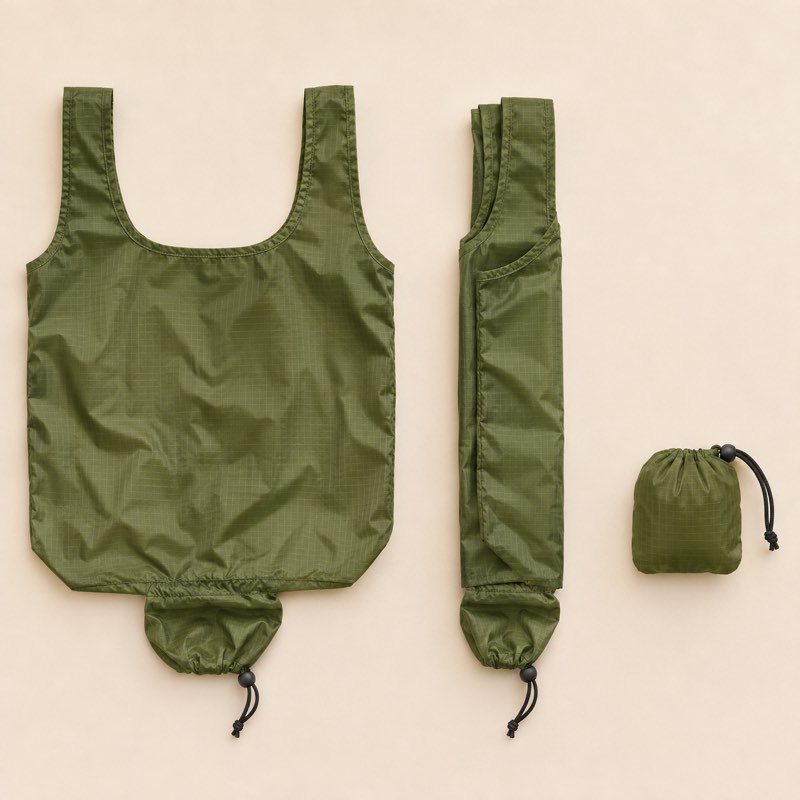
For canvas and cotton totes, begin by aligning the side seams and folding the handles onto the body. Fold vertically, then once or twice horizontally based on thickness. A heavier canvas can give a more substantial retail or gift feel, but it may be unsuitable for pocketable storage. Compare the intended after-use experience before selecting a material solely for appearance.
For a broader format comparison, see foldable shopping bags versus everyday totes. It helps separate a compact campaign bag from a more structured, everyday carry format.
Specify storage features that make reuse easier
Storage features should guide the user naturally instead of adding novelty. Include the folded format in the sample review if repeated carry is a key objective.
| Feature | Best fit | Review point |
|---|---|---|
| Integrated pouch | Soft nylon or polyester | Can an average user pack it without force? |
| Reversible inner pocket | Lightweight unlined bag | Does the pocket turn inside out cleanly? |
| Snap or elastic loop | Flat-fold canvas or fabric tote | Does it stay secure without marking the material? |
| Separate sleeve | Retail or gift presentation | Will recipients keep the sleeve with the bag? |
| Handle wrap | Larger folded totes | Does it make the folded package easier to carry? |
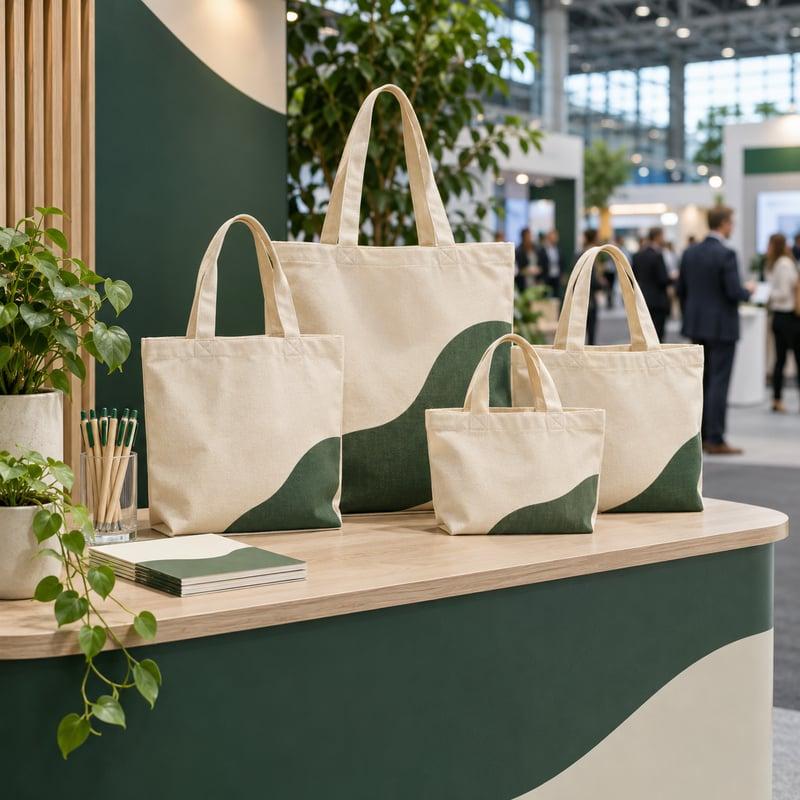
A pouch can also become a secondary branding location, while the open bag carries the principal artwork. Review both states together: fold lines should not run through fine text, and the selected decoration should suit the material. The customization guide provides a starting point for discussing surface, logo treatment and placement before sample approval.
Store bags where recipients actually prepare to leave
The easiest storage place is close to the moment of need. A folded bag inside a backpack side pocket is more likely to travel with a commuter than one left in a kitchen drawer. A set of larger grocery bags may work better in a car or entryway than in a compact pouch.
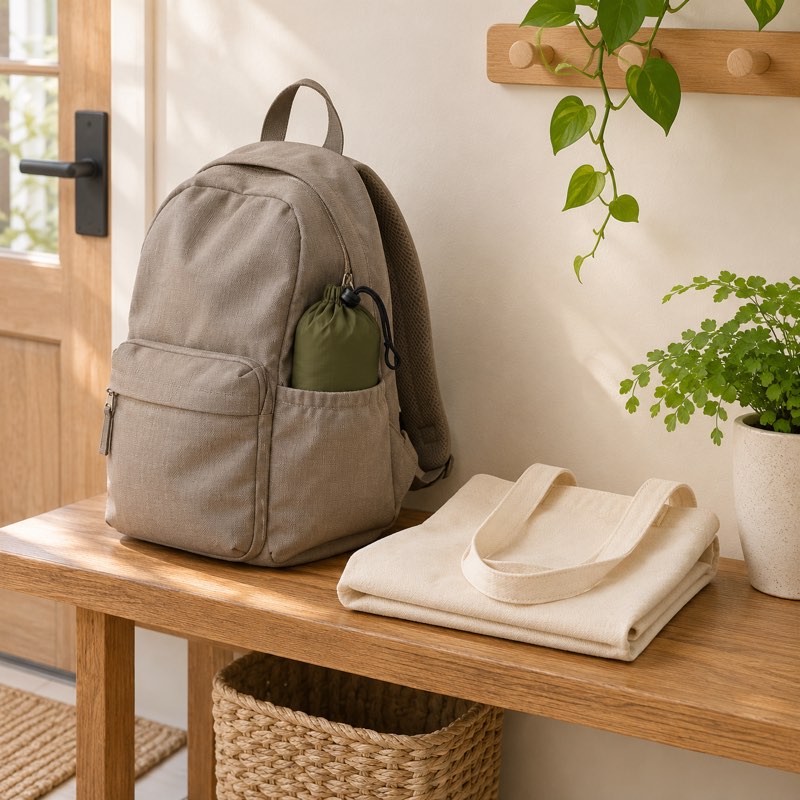
Use these practical checks when reviewing storage:
- Handbag or backpack: keep edges soft, bulk low and the closure simple.
- Car or entryway: prioritize visibility and an easy flat fold over the smallest possible pouch.
- Office drawer: check that the bag fits alongside everyday work items and opens without a complicated sequence.
- Suitcase: choose a lightweight format that does not consume valuable travel space.
For a brand team, this is a useful design test: ask a colleague to fold the sample without instructions, store it in the intended place, then take it out and use it again. If the steps feel inconvenient, simplify the format or reconsider the storage feature.
Carry comfort determines whether a bag returns to use
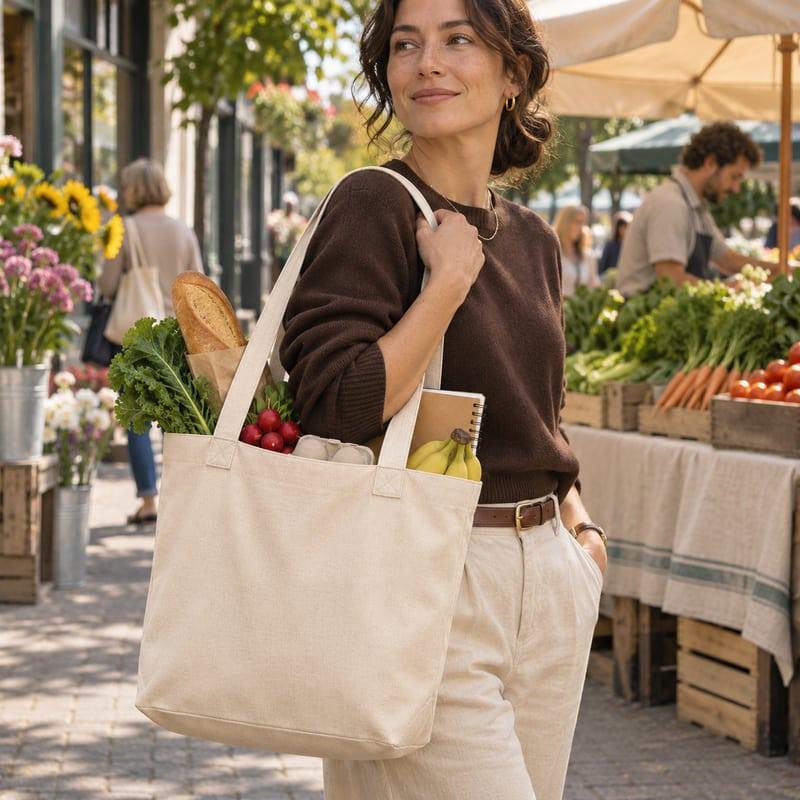
Foldability cannot compensate for uncomfortable handles. A useful sample review looks at the loaded bag as well as the packed one.
| Carry detail | Why it matters | What to confirm |
|---|---|---|
| Handle drop | Determines shoulder fit over everyday clothing | Measure it on the loaded sample |
| Handle width | Affects comfort when carrying weight | Compare with intended contents inside |
| Attachment and stitching | Supports the chosen construction | Review the joints and reinforcement visually |
| Closure | Helps control contents and folded storage | Test opening, closing and fold interference |
| Folded dimensions | Determines where the bag can live | Record the pouch or folded measurement |
Avoid making unverified load, washability or waterproof claims. Instead, agree the intended contents and any required performance check with the supplier. The approved sample, written specification and pack-out plan should refer to the same bag configuration.
Turn folding and storage into a procurement brief
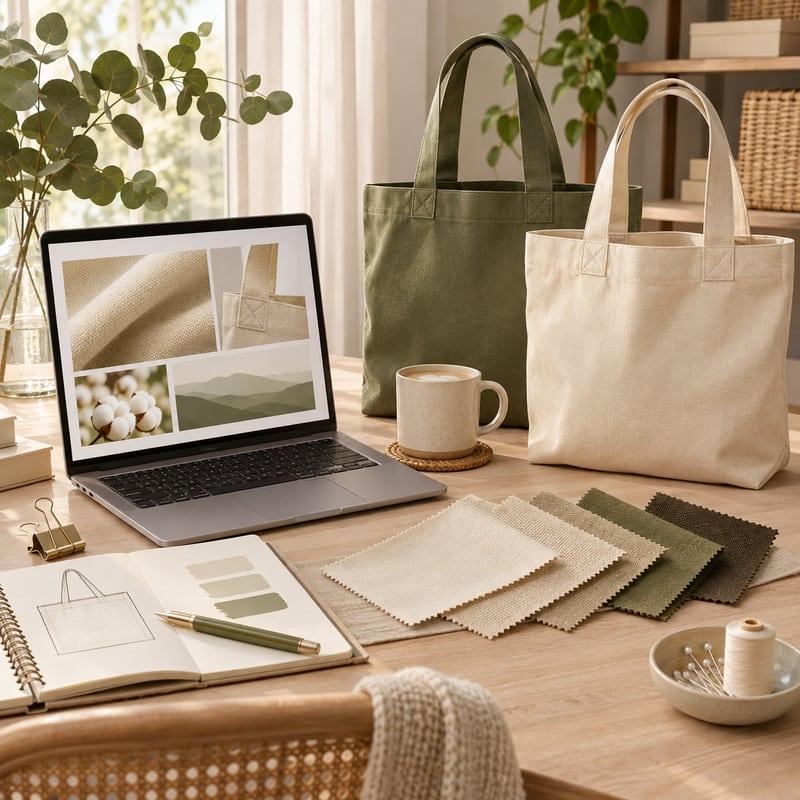
For a custom reusable-shopping-bag project, add these details to the usual size, material, quantity and artwork request:
- Open dimensions — width × height × depth, plus intended contents.
- Folded format — pouch, inner pocket, snap, elastic loop, sleeve or flat fold.
- Target stored location — handbag, backpack, car, drawer, suitcase or home storage.
- Carry expectation — hand carry, shoulder carry or short transport from a retail counter.
- Artwork states — how the logo should look when the bag is open and when it is folded.
- Sample checks — folding effort, pouch fit, handle comfort, seams, artwork placement and pack-out.
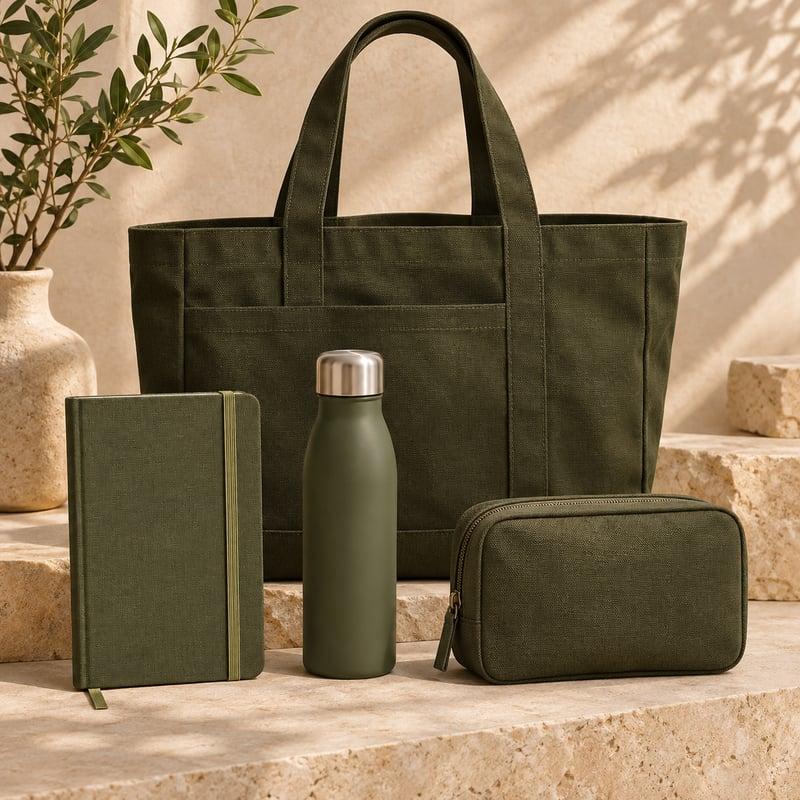
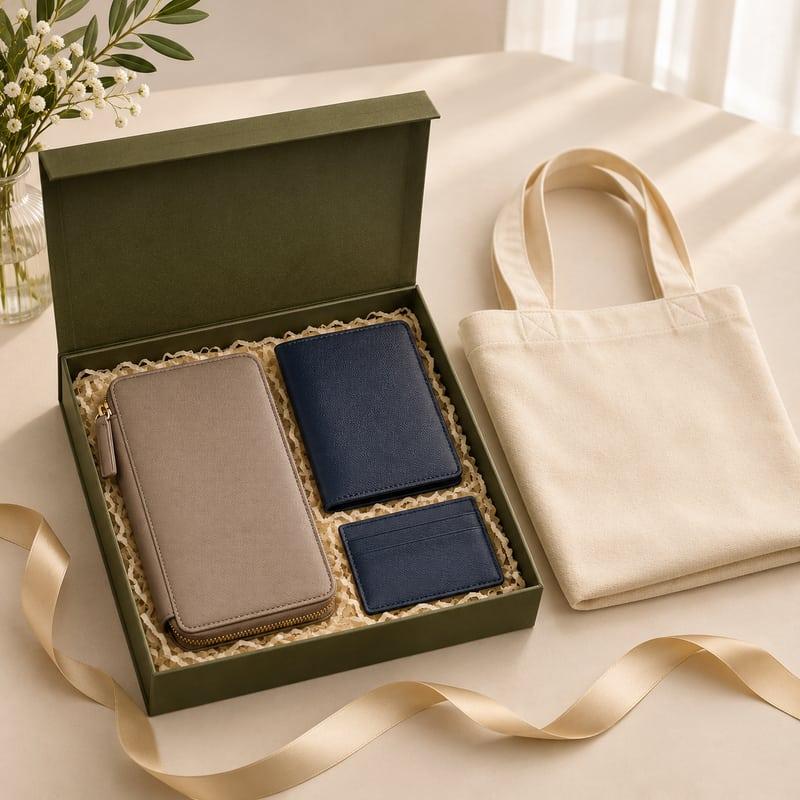
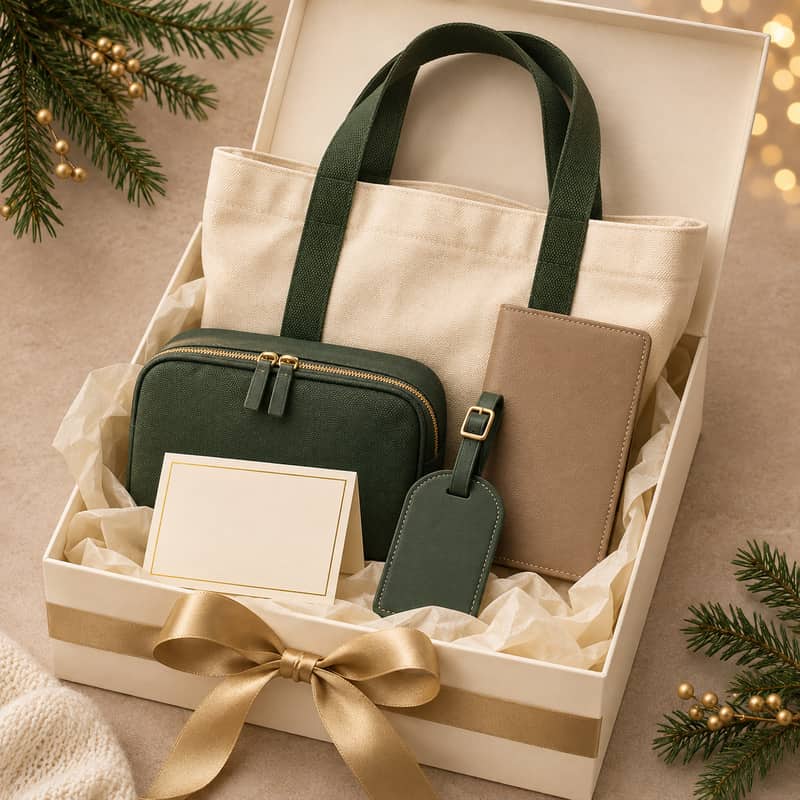
The Giftvera premium-gift collection can also help when the bag needs to coordinate with other event, travel or retail-gifting pieces. Define the audience and distribution moment first; then choose the format that recipients are most likely to retain.
Frequently asked questions
What is the easiest way to fold a reusable shopping bag?
Use the method that matches the bag. Soft nylon bags commonly side-fold and roll into a pouch, while canvas totes usually fold flat. Test the chosen sample because fabric thickness, handles and gussets change the final packed shape.
How do you fold a reusable bag into its pouch?
Lay the bag flat, fold the sides toward the centre, bring the handles down, and roll or fold the body into the pouch. The pouch should be large enough for normal use without forcing the fabric or seams.
Where should reusable shopping bags be stored?
Store them where the next shopping, commute or trip begins: a handbag, backpack, car, entryway, office drawer or suitcase. The best location depends on the bag’s folded size and the recipient’s routine.
Are pouch-style reusable bags better than canvas totes?
Neither is always better. Pouch bags suit compact daily carry and travel; canvas totes suit a more substantial everyday or retail format. Choose based on use, desired folded size, contents and brand presentation.
What makes a reusable shopping bag easy to carry?
Comfortable handle length and width, a manageable loaded shape, simple closure and a storage method that does not create excess bulk all support repeat use. Test these points with representative contents in the sample.
Can logo placement affect how a bag folds?
Yes. Fine details or large graphics can look less clean when they cross fold lines, seams or thick layers. Review the logo on the bag both open and folded, and confirm that the selected decoration suits the material.
What should buyers ask a supplier before ordering foldable bags?
Ask for open and folded dimensions, material details, the storage feature, handle construction, artwork method, pack-out plan, quantity requirements and a sample that can be folded and unfolded in normal use.
Are reusable-material claims automatically supported by a reusable bag design?
No. A bag’s ability to be reused is not proof of recycled content, recyclability or another environmental claim. If recycled content matters, state the component and requested evidence precisely. The U.S. EPA’s recycling guidance is a useful general reference for waste-reduction choices.
Plan a bag that people will carry again
The best reusable shopping bag is designed around a real habit: fold it, store it nearby, open it quickly and carry it comfortably. Start with the recipient routine, then confirm the material, pouch or flat-fold format, handles and logo placement on the sample. A clear brief makes it easier to compare practical options before production.