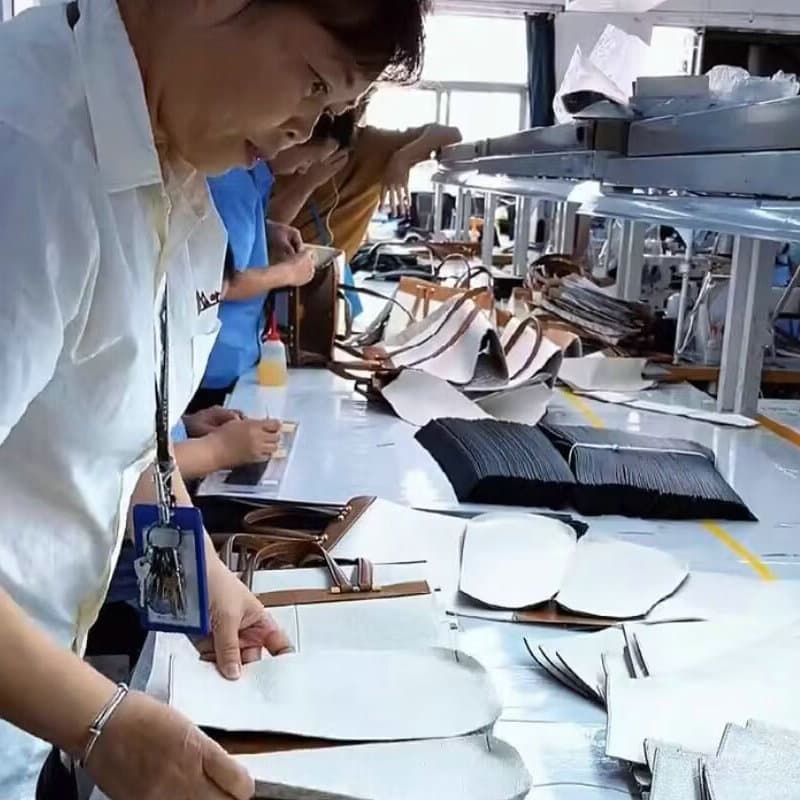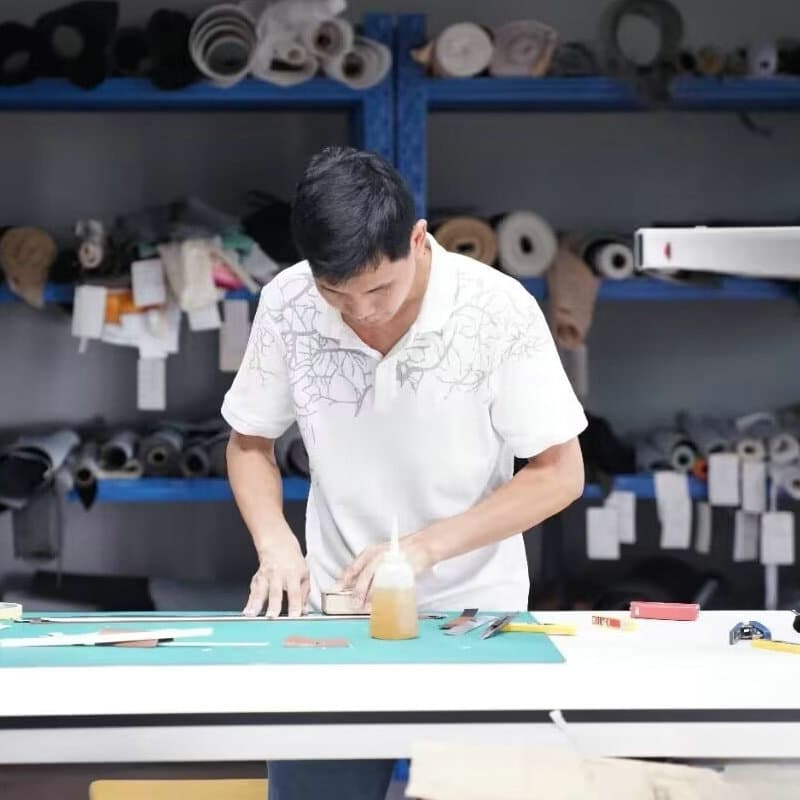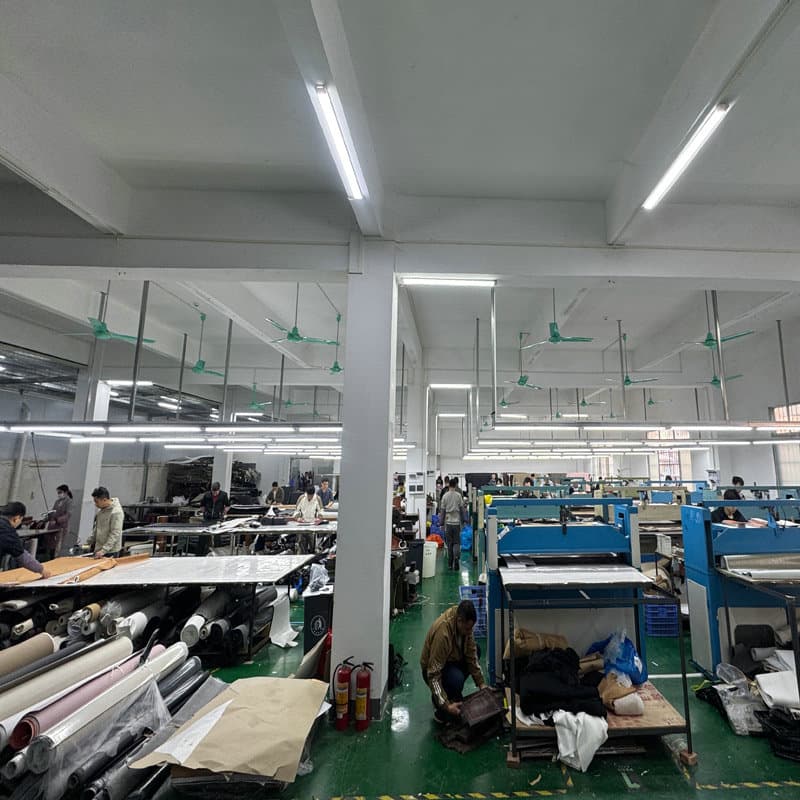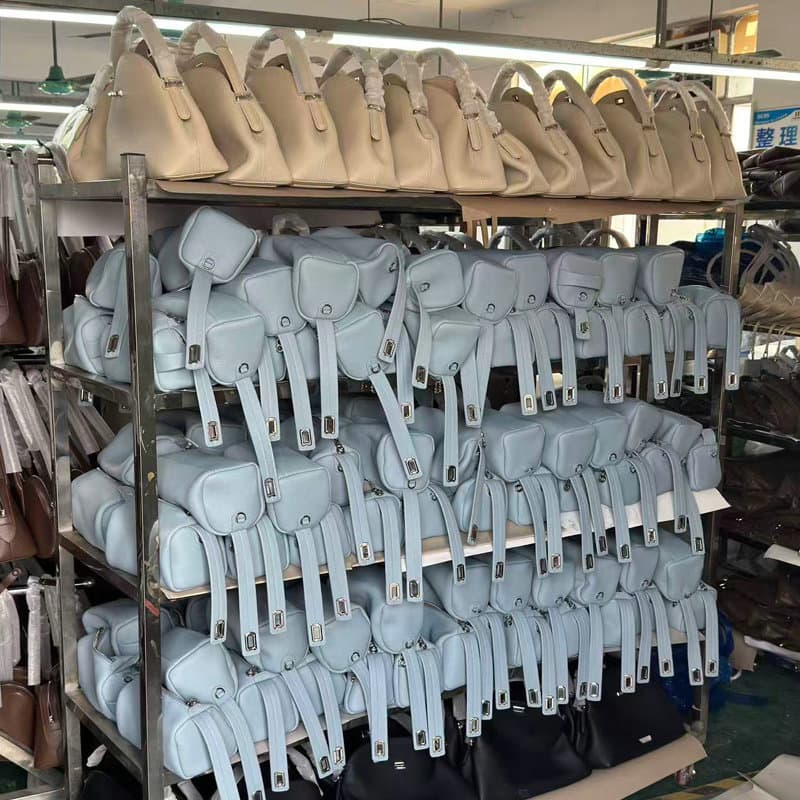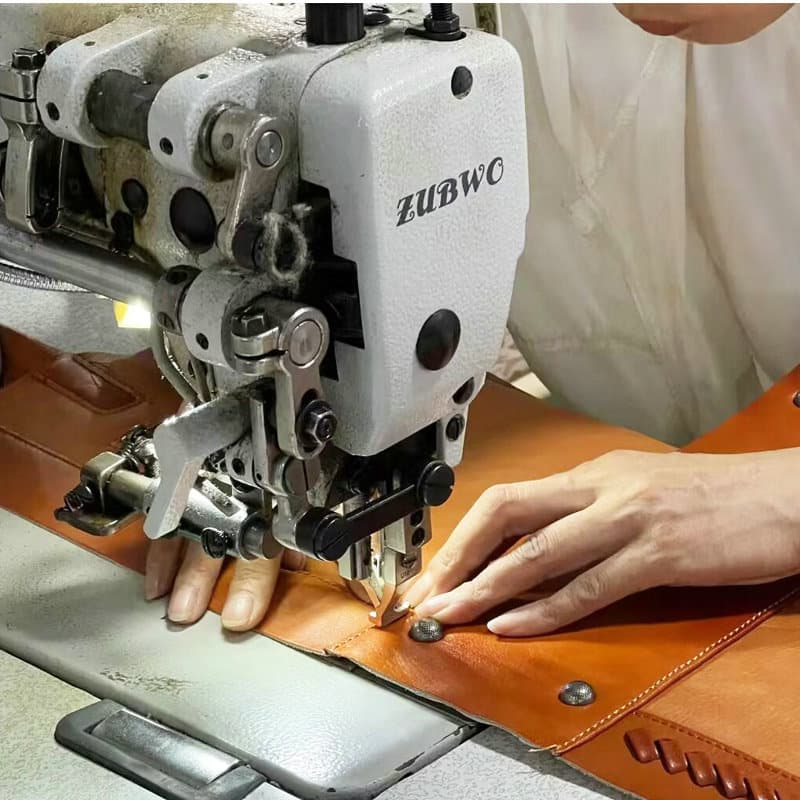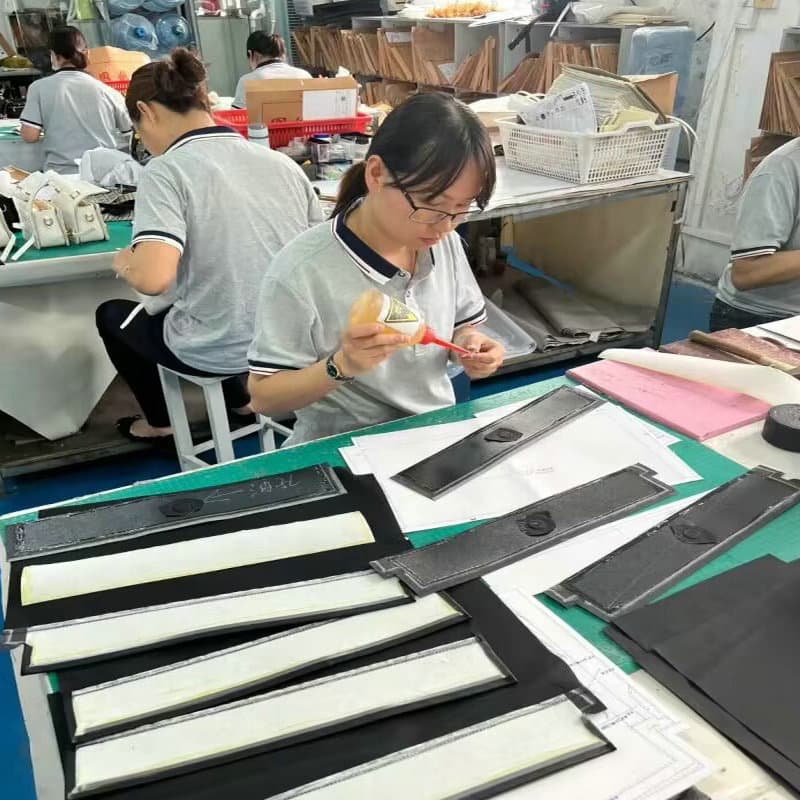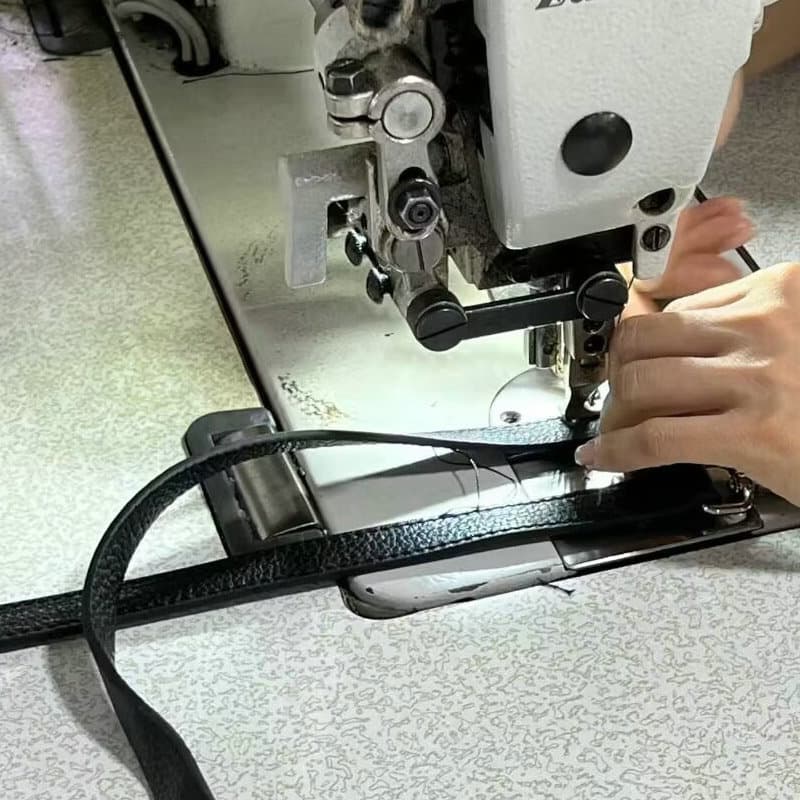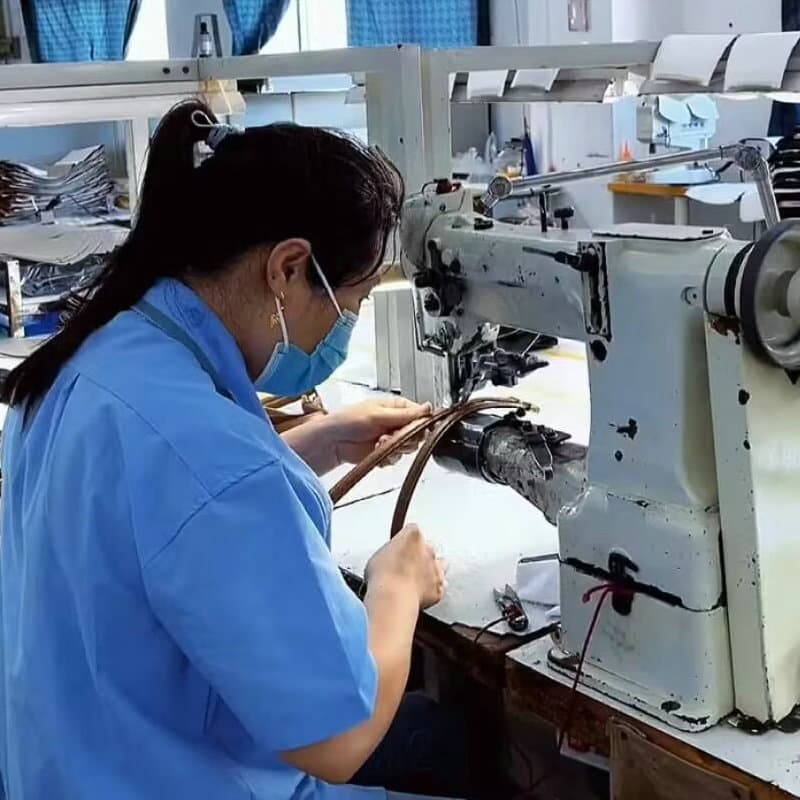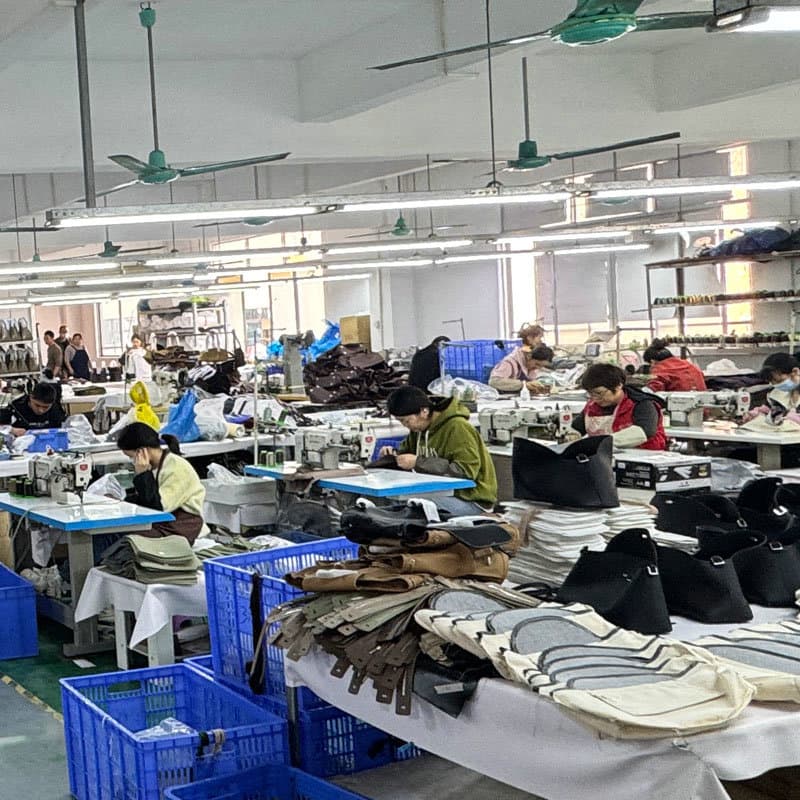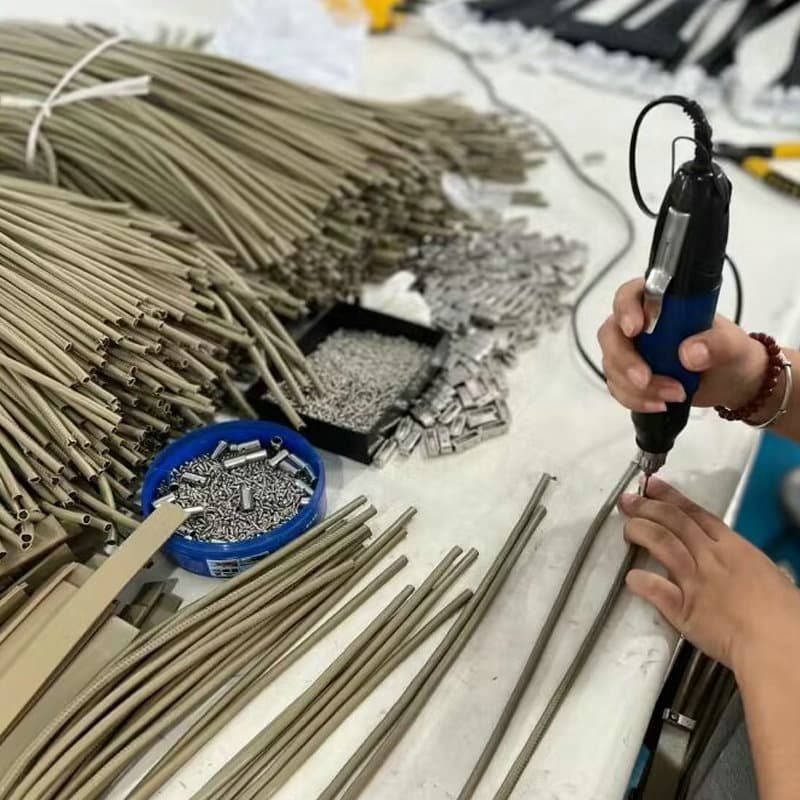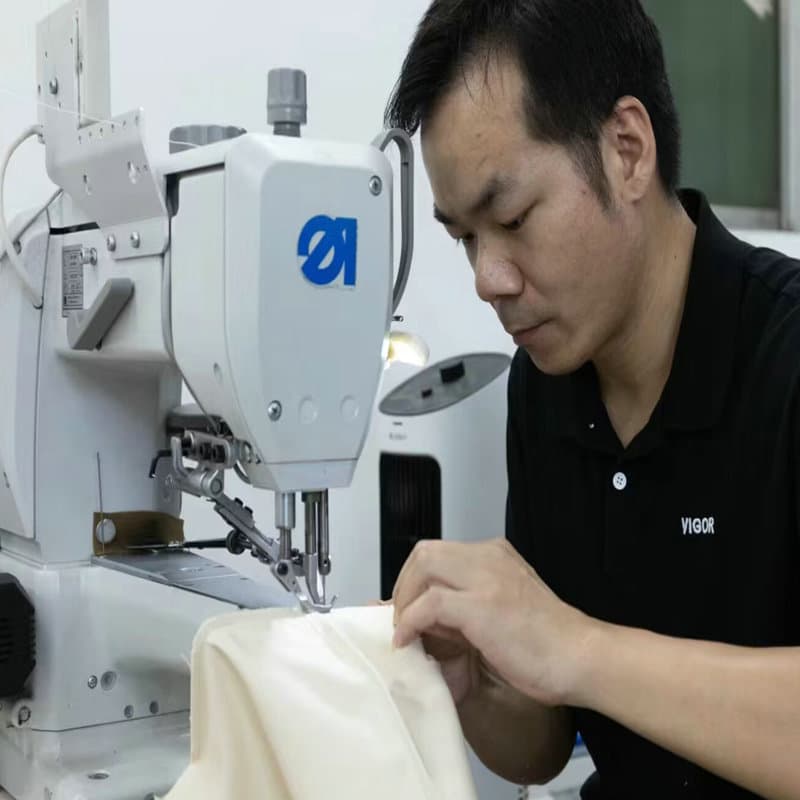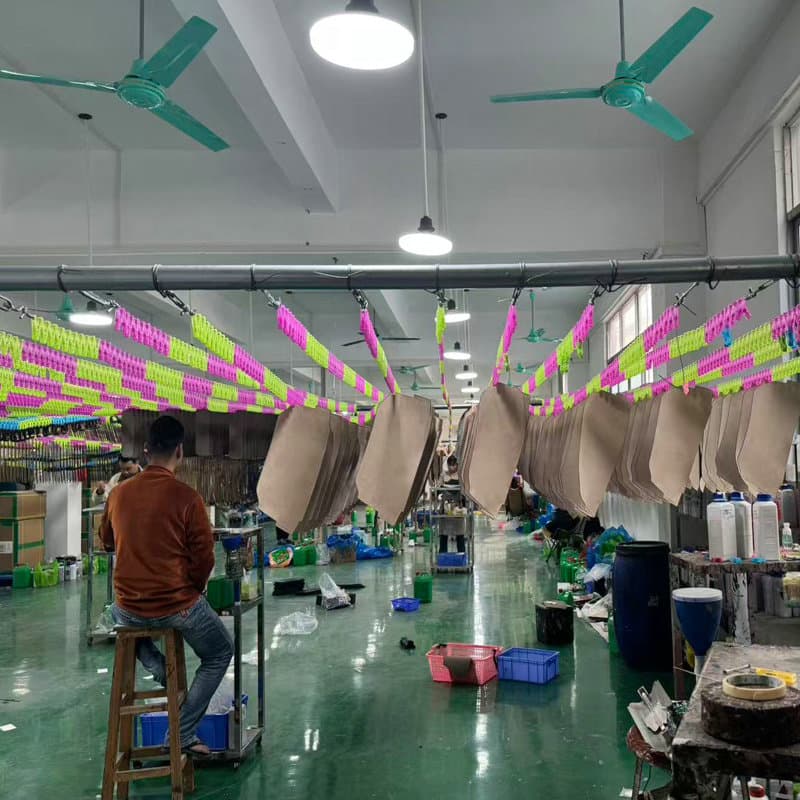
There is no single price for a custom corporate gift. A branded leather wallet, passport holder, cosmetic bag, luggage tag, or gift set is priced from its specification: product construction, material, logo process, quantity, packaging, sample work, inspection, and shipping plan. Two products that look similar in a catalog can have very different total project costs once those decisions are made.
Short answer: the cost of custom corporate gifts is driven first by product and material, then by quantity and customization. For a useful quote, budget for the item, logo treatment, sample development, individual packaging, master-carton packing, inspection, and freight separately where appropriate. The lowest unit price is not necessarily the lowest delivered project cost.
This guide helps procurement teams, gift companies, distributors, retailers, and brand managers build a credible budget before requesting quotations. It does not publish a universal price list because material markets, design complexity, order quantity, branding, and shipping routes change. Instead, it explains the cost drivers a buyer can control and the information a manufacturer needs to quote accurately.
Begin with a landed project budget, not a product-only price
A product-only price answers only one part of the question. For a campaign or corporate program, the useful budget is closer to a landed project budget:
Product + branding + development + packaging + quality control + freight + destination costs = the working project budget.
Not every project needs every component as a separate line. An existing ODM wallet with a simple debossed logo may need little development work. A new executive gift set may require multiple samples, special packaging, and more detailed inspection. The point is to make the components visible before comparing suppliers.
For a buyer, this improves decisions in two ways. First, it prevents a quote from appearing cheaper because it silently excludes a required feature. Second, it shows which changes have the biggest impact: moving from an OPP bag to a rigid gift box, changing a standard logo to a metal badge, or choosing a new material may affect more than the product cost alone.
The seven cost drivers behind a custom gift quote
1. Product type and construction
The product is the starting point. A simple luggage tag has fewer components and operations than a multi-compartment travel organizer. A slim card wallet generally uses less material and fewer construction steps than a zip-around wallet. A cosmetic bag with a basic lining is different from one with dividers, elastic loops, a reinforced handle, and several zipper pockets.
Ask the supplier to identify the construction included in the quote. For leather goods, useful details include overall size, number of pockets or slots, closure type, lining, edge finish, hardware, reinforcement points, and intended use. This lets you compare proposals that are truly equivalent.
2. Material choice
Material is often the largest visible cost lever and one of the most important brand decisions. Full-grain or top-grain leather can give a premium natural finish and may vary from piece to piece in a way that is normal for leather. PU, microfiber, recycled-content materials, canvas, and mixed-material constructions offer different appearance, cost, durability, and logo possibilities.
Do not reduce material selection to a single label. Ask what surface finish, backing, lining, thickness, color, and color-matching process are included. For a client-facing leather gift, the hand feel and edge finish may be worth more than an extra pocket. For a large promotional run, a consistent logo surface and practical packing may be the better use of budget.
3. Logo process and artwork readiness
Logo customization may require a debossing die, foil stamp setup, screen preparation, laser file preparation, print setup, metal badge tooling, or other project-specific work. The cost depends on the method, artwork complexity, dimensions, quantity, and material.
For a clear quote, provide a vector logo if available and state the preferred result: understated blind deboss, metallic foil, precise engraving, printed color, or an attached label. If you are open to recommendations, state the product material and brand style. A manufacturer can then propose methods that are visually appropriate instead of quoting every possible option.
The artwork also affects timing. A complete, approved file helps a project move to sample preparation. Repeated changes after a logo mold or sample has been made can add both cost and time.
4. Quantity, MOQ, and production efficiency
Quantity changes the per-unit cost because fixed work is spread across more pieces. These fixed elements may include material preparation, logo tooling, sample development, machine setup, packing setup, and quality-control preparation. Larger volumes can also improve material purchasing efficiency. They do not make every product inexpensive, especially if the material, logo, or packaging remains premium.
MOQ should be treated as a production condition, not just a sales rule. A factory may be able to make a small number of an existing wallet in a stocked material, but a custom color, special hardware, or bespoke box may have separate supplier minimums. MHERDER's current product pages state that many custom leather projects start from 100 pieces, with the final MOQ confirmed by material and customization requirements.
When you ask for pricing, request brackets that match a realistic buying decision, such as 100, 300, 500, and 1,000 pieces. This shows where a larger quantity creates an actual saving and where a change simply increases inventory risk.
5. Packaging and presentation
Packaging can be functional, premium, or both. Individual OPP bags are often appropriate for protective packing, barcode application, and efficient bulk handling. Kraft boxes, rigid gift boxes, sleeves, tissue, inserts, and custom cards can improve the opening experience but also add material, assembly, carton volume, and damage risk.
The right packaging depends on the recipient journey. If a gift company will repack items into a wider kit, protective individual packing may be enough. If the item is handed to a VIP client or sold at retail, presentation packaging may be central to the value proposition. Specify whether the packaging needs a logo, barcode, insert, warning label, or country-of-origin marking.
6. Sample development and approval changes
Samples are a cost-control step, not wasted expense. A material swatch, logo strike-off, development sample, and pre-production sample solve different questions. The sample cost depends on what has to be made specifically for your project and whether the base product already exists.
Use the sample to eliminate expensive uncertainty. Test the real function, inspect the logo, compare the material in normal light, confirm dimensions, and review the packing. Consolidate feedback before requesting the next revision. Several uncoordinated review rounds can delay production more than buyers expect.
7. Inspection, freight, and destination requirements
Freight is affected by shipment mode, route, incoterm, carton volume, weight, destination, and timing. A compact wallet and a gift-boxed cosmetic bag can have very different volumetric freight profiles even when their product value is similar. Ask for carton dimensions and packing quantity once the design is close to approval.
Quality control may be handled by the factory, an external inspection company, or both. For high-visibility campaigns, include inspection timing in the budget and schedule. Destination costs can include local clearance, duties, taxes, or compliance requirements. A factory quotation should identify what is included and what needs separate confirmation.
A practical way to budget by gift tier
Rather than starting with a fixed dollar amount, define the experience you want to create. The following framework is useful during early planning.
| Gift tier | Typical product direction | Budget priorities | Common trade-offs |
|---|---|---|---|
| Campaign / volume | Luggage tags, simple card holders, practical cosmetic bags | Clear logo, consistent material, efficient packing | Fewer components, standard shapes, simpler packaging |
| Business relationship | Wallets, passport holders, organizers | Material feel, refined branding, usable function | Moderate packaging versus more complex product construction |
| Executive / premium | Leather gift sets, travel organizers, premium wallets | Premium material, presentation, sample approval | Higher unit cost, longer development and packing preparation |
This is not a price chart. It is a decision framework. It helps a buyer decide whether the budget should prioritize the product itself, the recipient presentation, or the logistics of a large distribution program.
How to request a quote that you can actually compare
Use one written brief and send it to every potential supplier. Include:
- product category and reference photos or links;
- expected order quantity and desired pricing brackets;
- recipient or application scenario;
- preferred material and color direction;
- logo artwork, logo size, and preferred process if known;
- packaging and labeling needs;
- target delivery date and destination;
- sample requirement; and
- budget direction, if you can share it.
Then ask the supplier to state its assumptions. A useful quote does not need to hide uncertainty. It can say, for example, that the price is based on a specified PU material, blind debossed logo, individual OPP bag, and a given quantity. That gives you a working baseline. If you later choose top-grain leather and a rigid box, you know why the quote changes.
Mid-article CTA: Get a quote with the cost drivers separated
Send MHERDER your product idea, quantity, target market, logo, and packaging direction. We can help turn them into a quote request that separates product, branding, sample, packing, and shipment assumptions, so your team can compare options clearly. Send Your Requirements
Where buyers accidentally increase total cost
Changing the specification after the sample is approved
A late material, size, logo, or packaging change may create waste, require new tooling, change the carton plan, or restart sample approval. Freeze the key choices before mass production.
Choosing a gift box without checking freight impact
A gift box can be the right brand decision. It should be priced with its carton volume and handling needs. Ask for the pack-out rather than looking only at the box cost.
Underestimating artwork and approval time
The factory cannot make a correct logo from an uncertain file or verbal instruction. Confirm the artwork version and logo placement before production starts.
Treating price brackets as interchangeable
A quote for 100 pieces can have a different material efficiency, setup allocation, and labor profile from a quote for 1,000 pieces. Compare the correct bracket to the actual order plan.
Ignoring inspection and destination detail until dispatch
Shipment inspection, labels, carton marks, and freight choices need lead time. Include them in the project plan before the goods are finished.
A sample cost-comparison worksheet
When comparing two options, score each against the same headings:
| Cost heading | Option A | Option B | Buyer decision |
|---|---|---|---|
| Product and material | Which material supports the recipient experience? | ||
| Logo process | Which method looks right on the selected surface? | ||
| Sample and tooling | What must be approved before bulk production? | ||
| Individual packaging | Does it protect the item and match the distribution plan? | ||
| Presentation packaging | Is this needed for the recipient journey? | ||
| Quality-control plan | Who checks what and when? | ||
| Freight and destination | What is included, estimated, or excluded? |
This worksheet makes procurement conversations more constructive. Instead of asking a supplier to simply reduce the number, ask which specific change produces the saving and what it changes for the recipient, quality, or delivery plan.
FAQ
Why do two suppliers quote different prices for a similar custom gift?
The specification may not be the same. Differences often come from material grade, construction, logo process, packaging, quantity, included sample work, quality control, and shipping terms. Ask both suppliers to state assumptions line by line.
Does a larger order always mean a lower unit price?
It often improves fixed-cost allocation and material efficiency, but the degree depends on the product and customization. Request quantity brackets for your actual demand rather than assuming the largest quantity is always the best commercial decision.
Is a pre-production sample worth the cost?
For a custom project, a sample can prevent a larger mistake in bulk production. It is particularly valuable when material, dimensions, logo, functionality, or packaging are new to the project.
What information do I need to get an accurate custom gift quote?
Provide the product type, quantity, material direction, logo artwork, packaging needs, target date, destination, and reference images or dimensions. The supplier should then clarify anything that is still assumed.
Should shipping be included in the product quote?
It can be quoted separately or under agreed shipping terms. Keep the product cost and freight assumptions visible so you can compare options and understand the delivered cost.
Conclusion
The cost of a custom corporate gift is best managed through clarity, not guesswork. Define the product, material, logo, sample, packaging, quality-control, and freight decisions early. Compare quotations on the same basis. Use the sample to remove uncertainty before bulk production.
That process makes it easier to find the right balance: a branded gift that feels appropriate for the recipient, can be produced consistently, and fits the commercial reality of the program.
Final CTA: Build a clearer custom-gift budget
MHERDER produces custom leather wallets, passport holders, cosmetic bags, luggage tags, organizers, shopping bags, and gift sets for B2B programs. Tell us your product, quantity, target date, logo, and packaging needs. We will help you define a quotation path with clear assumptions. Get a Quote