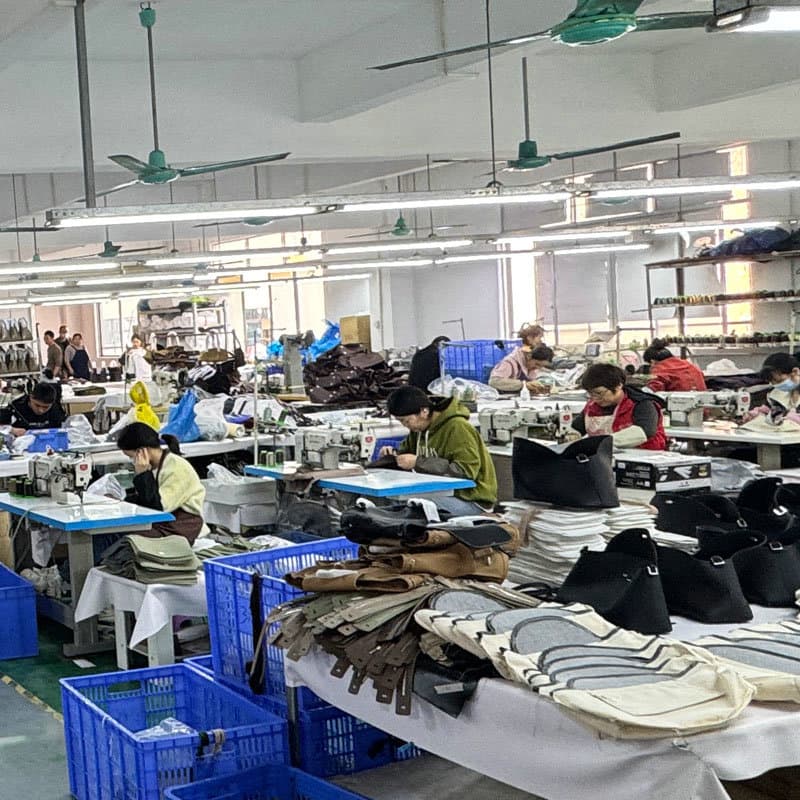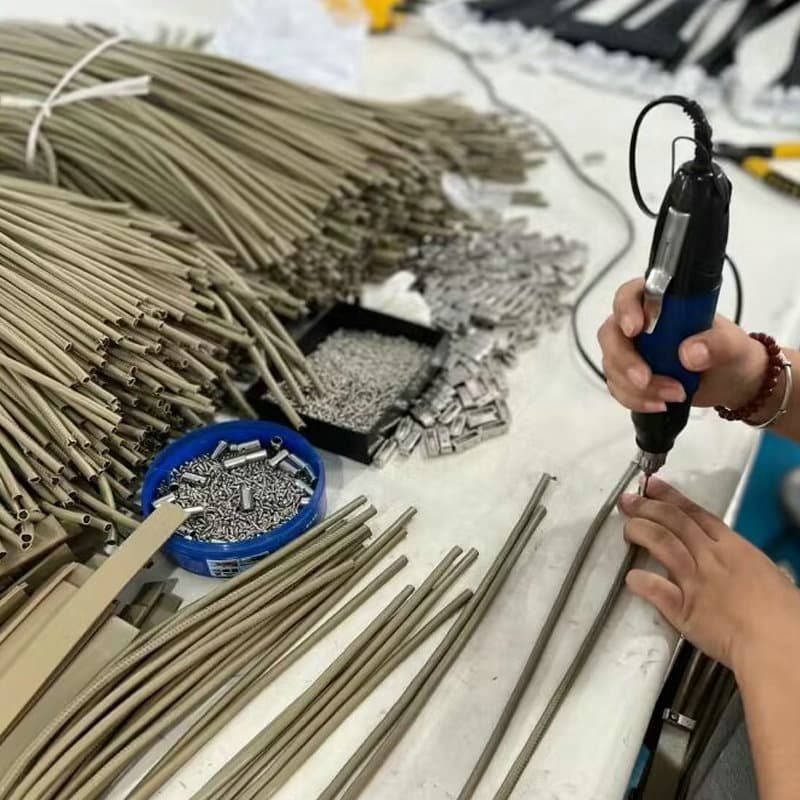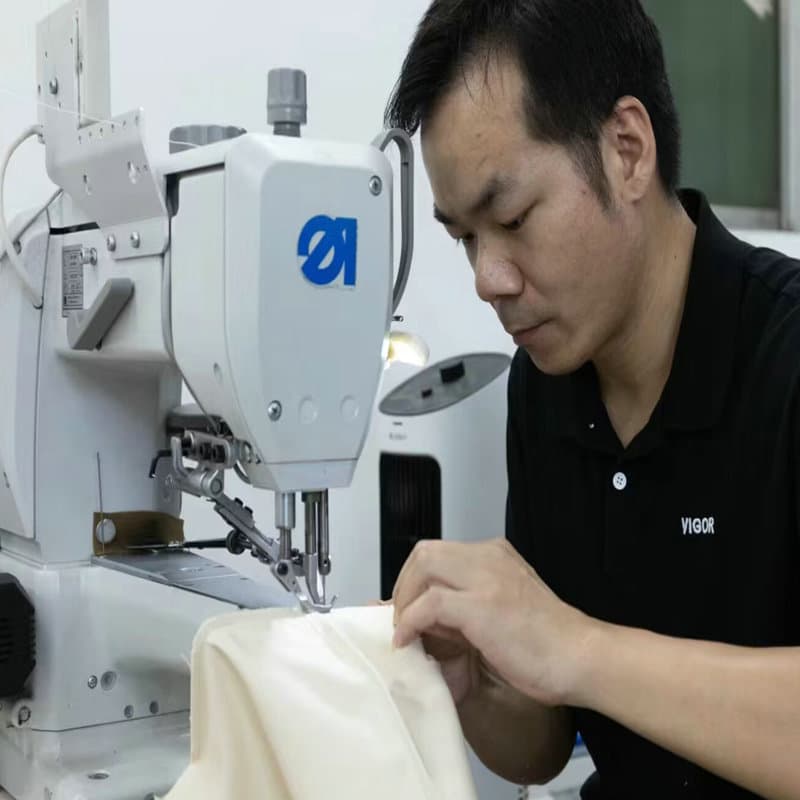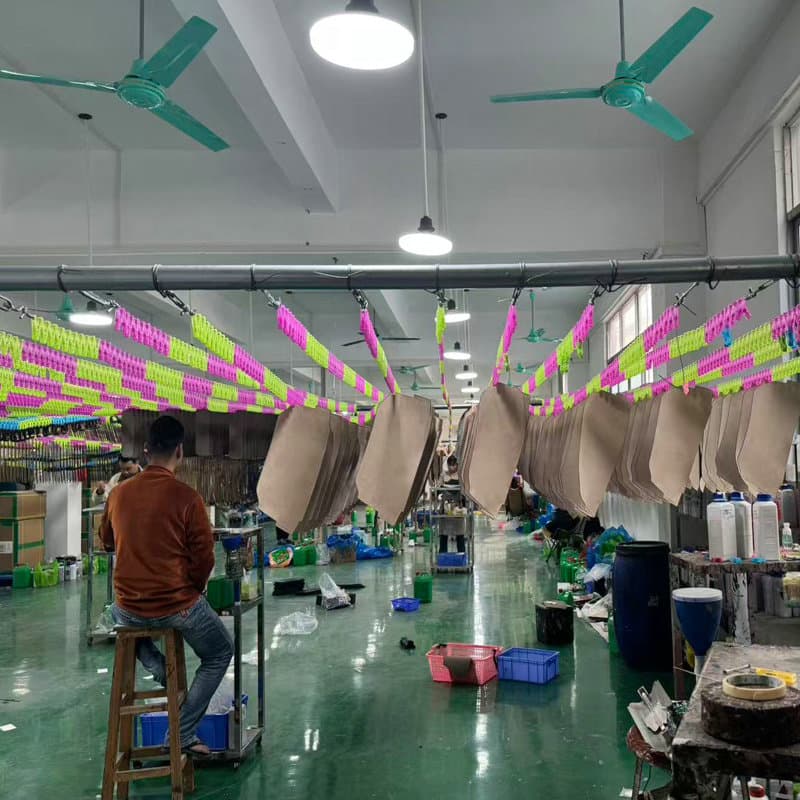
Choosing a corporate gift supplier is a sourcing decision, not simply a catalog decision. The product has to represent your brand, arrive in the right condition, and fit the purpose of the program. A premium leather passport holder can work well for a client event, for example, while a branded cosmetic bag may be more useful for travel retail or a beauty promotion. The supplier has to translate that choice into an approved sample, a repeatable production specification, and a delivery plan.
Short answer: choose a supplier by checking whether it can explain its manufacturing role, turn your brief into a clear sample, match the right material and logo process, document quality checks, quote all project components, and communicate realistically about production and shipment. Do not select on unit price alone.
This guide is written for importers, brands, retailers, wholesalers, gift companies, and corporate procurement teams buying custom leather gifts in volume. It focuses on the practical questions that reduce avoidable surprises after the purchase order is placed.
Start with the job the gift needs to do
Before comparing suppliers, write a one-page project brief. A useful brief states the recipient, use case, expected quantity, target date, product type, branding method, packaging level, destination, and budget expectation. It does not need to be a technical drawing on day one. It does need to tell the supplier what success looks like.
For example, a 300-piece executive gift program may prioritize a refined hand feel, debossed logo, and presentation box. A 3,000-piece hotel amenity campaign may instead prioritize a washable lining, clear individual packing, barcode labels, and carton efficiency. Both are "custom gifts," but they are different manufacturing and logistics projects.
At MHERDER, the first useful conversation is normally about this brief: who will use the item, how it will be branded, what needs to be protected in shipment, and which decisions must be approved before production. That is more reliable than choosing a stock photo and asking for "the same but cheaper."
1. Confirm what the supplier actually controls
The term supplier can describe a factory, a trading company, a distributor, or a company that coordinates several production partners. None of these models is automatically wrong. The important point is transparency.
Ask these questions early:
- Do you manufacture the item in-house, work with partner factories, or both?
- Who develops the sample and owns the production specification?
- Which stages are controlled directly: material sourcing, cutting, stitching, logo application, packaging, and shipment inspection?
- Who is the day-to-day project contact after the order is confirmed?
- Can the same construction and approved material be repeated on a future order?
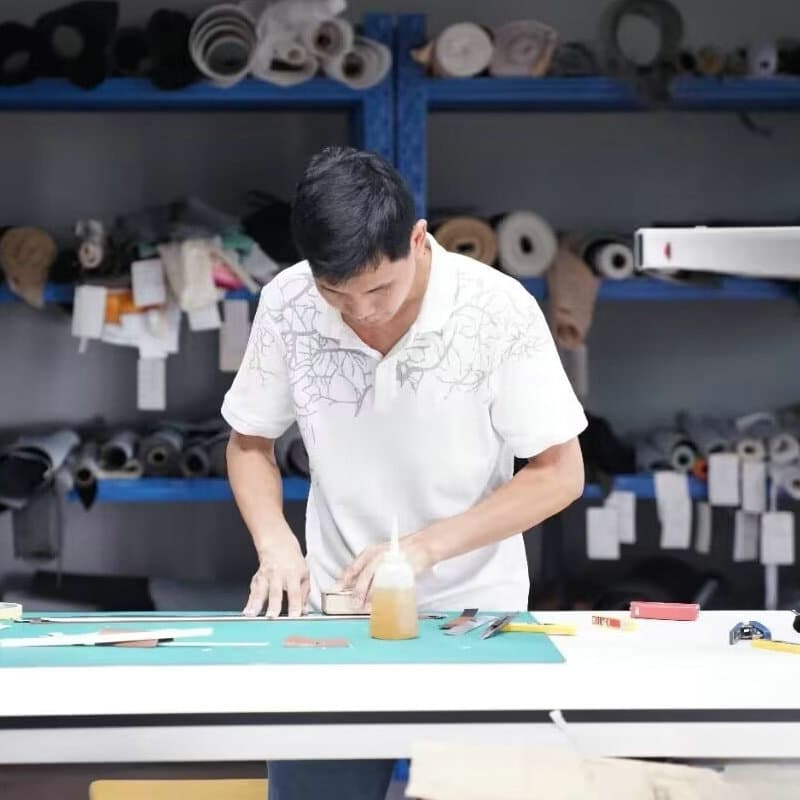
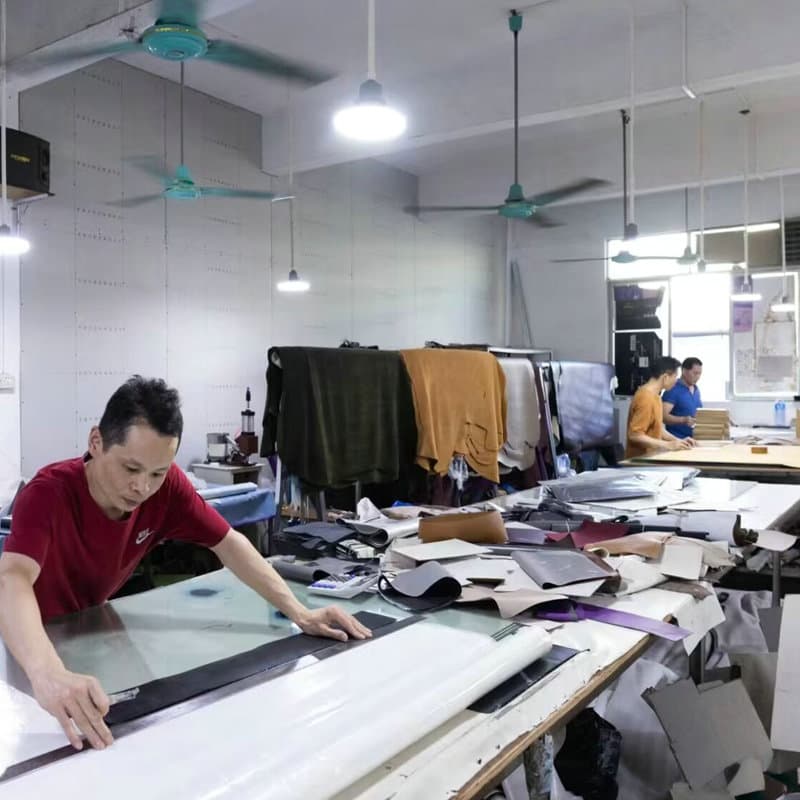
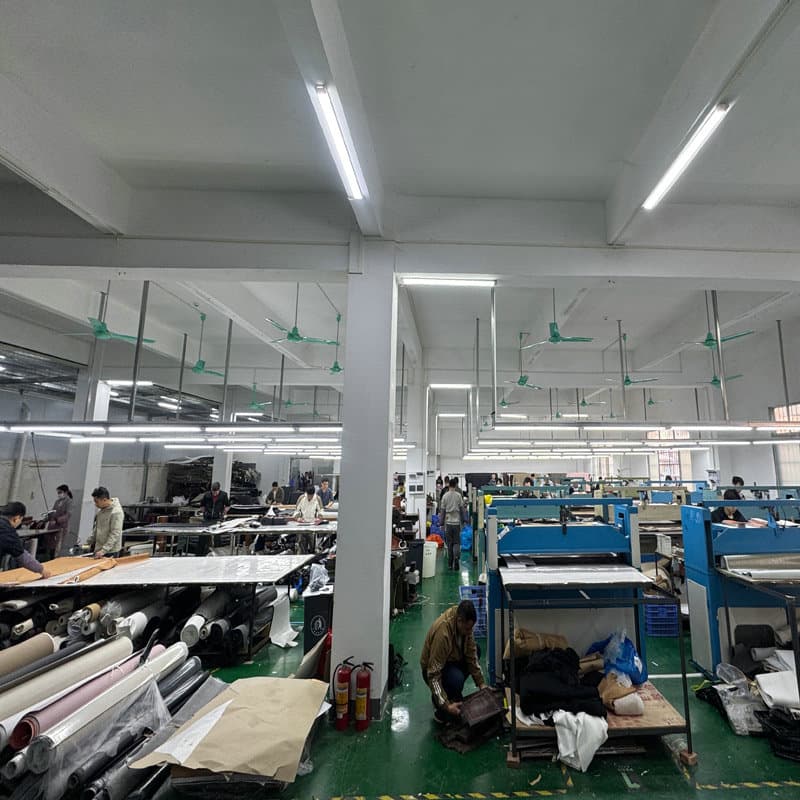
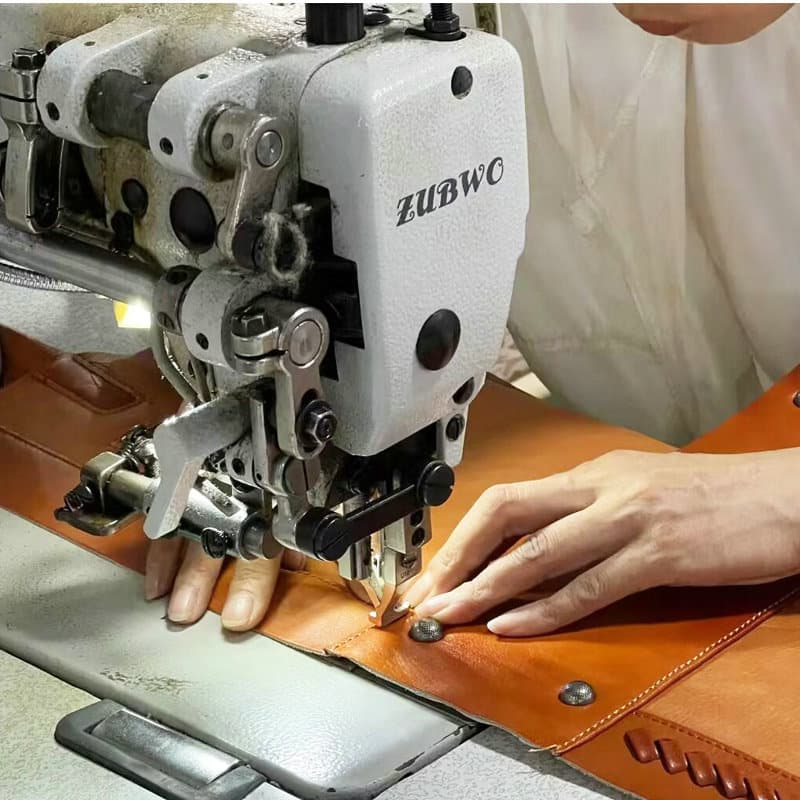
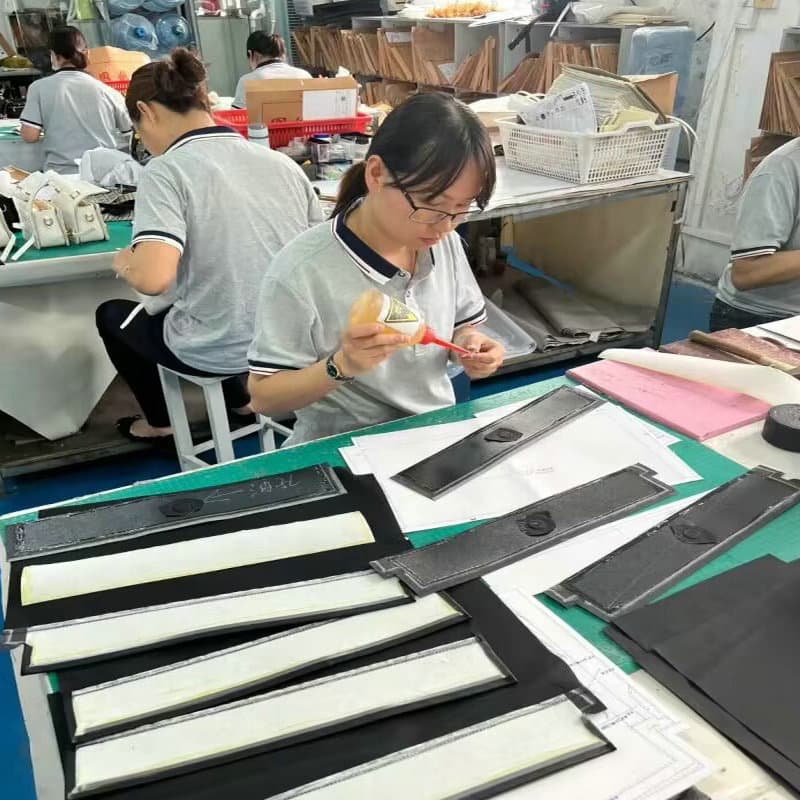
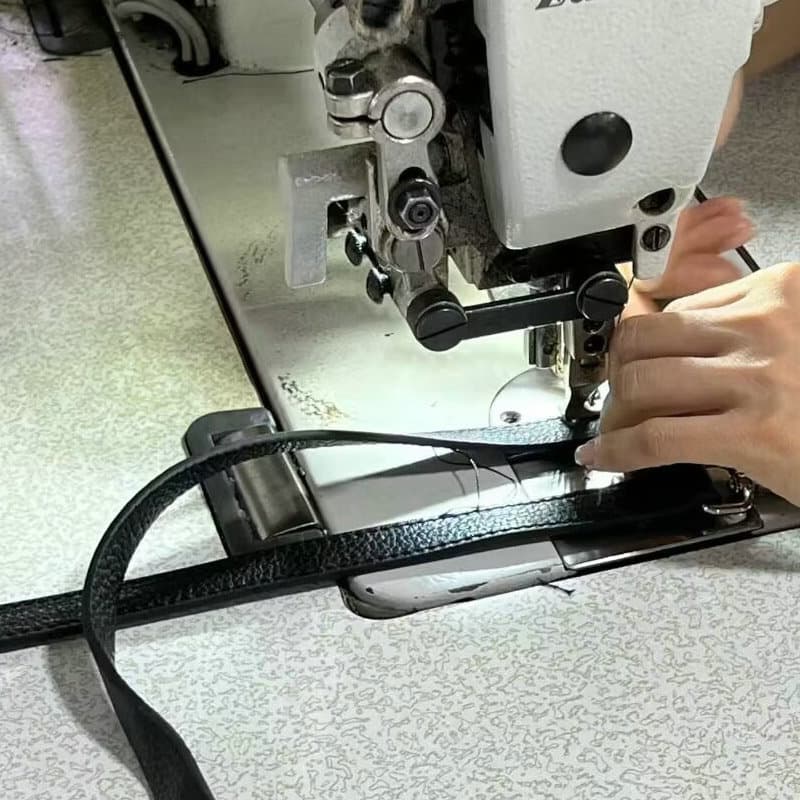
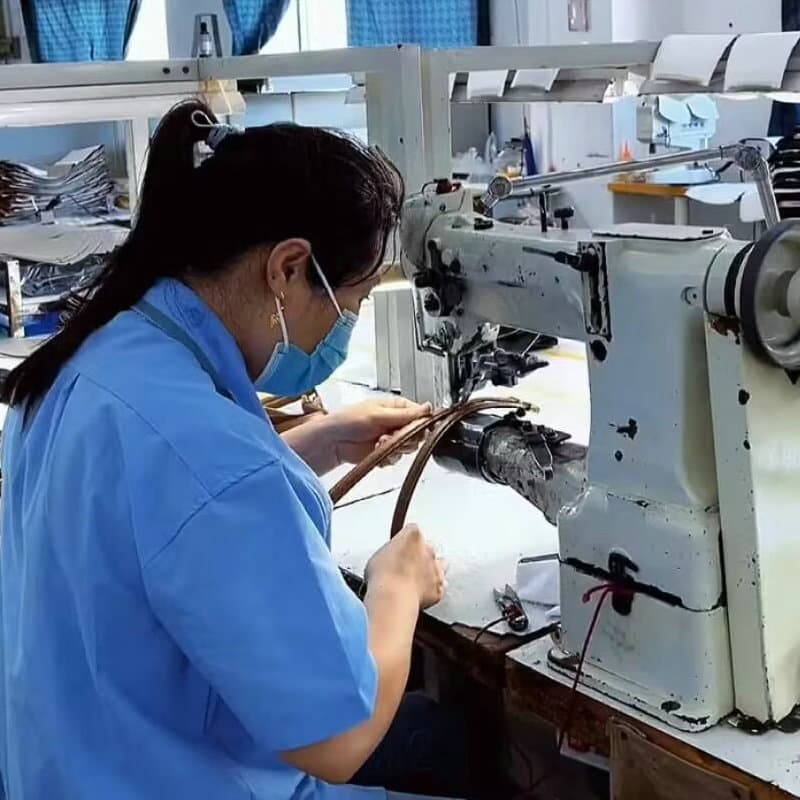
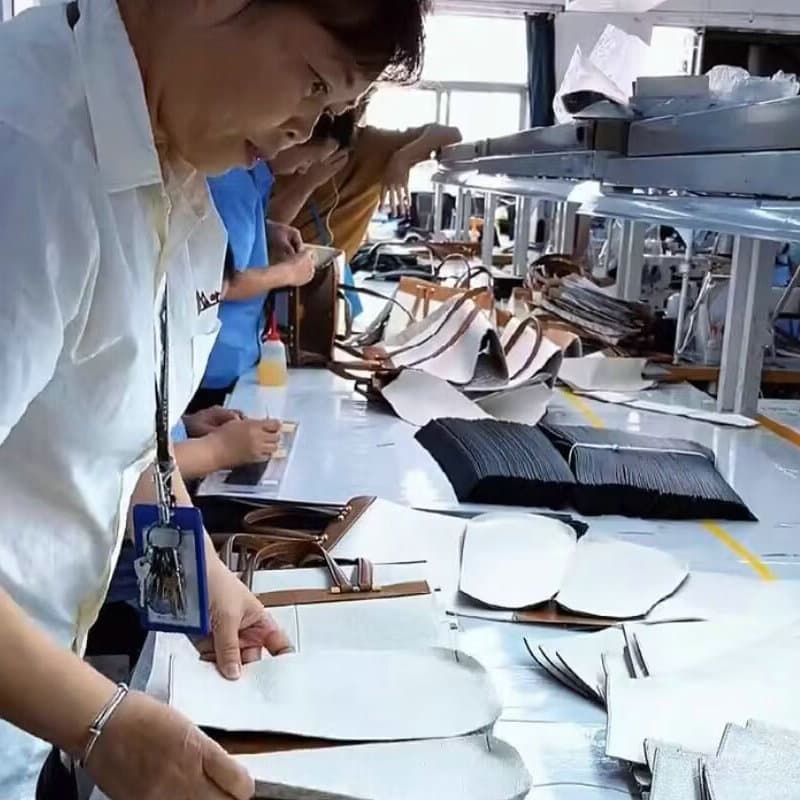
A manufacturer-backed partner can usually explain the construction sequence and the constraints behind it. For a leather wallet, that includes the leather or PU selection, lining, card-slot layout, edge finishing, stitching, logo placement, and packing method. If a supplier cannot explain how the product is made, it will be difficult to judge whether its quote and delivery promise are realistic.
2. Evaluate samples, not only digital mockups
A digital artwork proof confirms location, scale, and basic appearance. It does not prove material feel, stitching consistency, color matching, zipper movement, edge paint, logo depth, or pack-out quality. For a branded gift that will be handled closely, those details matter.
Request the right level of sample for the decision you need to make:
Material swatch or color reference
Use this when you need to compare leather grain, PU surface, recycled-content material, lining, or hardware color. It is an efficient first step when a full sample would be premature.
Pre-production sample
Use this before bulk production when construction, dimensions, logo treatment, or packaging is specific to your project. The sample should show the intended material, logo method, color, and key functional details wherever practical.
Golden sample
For a repeat order or a high-visibility program, label the approved reference clearly. It becomes the practical comparison point during factory testing and shipment inspection.
When reviewing a sample, look at it as a recipient would. Open the wallet. Put a passport into the holder. Check the zipper and lining of the cosmetic bag. Read the logo from normal viewing distance. Then inspect the seams, corners, edge treatment, and packaging more closely. Record the required corrections in writing. A vague approval makes later quality conversations harder.
3. Match the material to the use case and price level
The material choice affects appearance, durability, lead time, and cost. It should be chosen for the use case rather than the name alone.
| Material route | Usually appropriate for | Questions to ask |
|---|---|---|
| Full-grain or top-grain leather | Premium client gifts, executive programs, retail collections | What is the finish, color tolerance, backing, and expected natural variation? |
| PU or microfiber alternatives | Promotional programs, larger campaigns, price-sensitive projects | How will the surface perform with the chosen logo method and daily use? |
| Recycled or lower-impact materials | Programs with defined material goals | What documentation is available, and how does the material affect construction and lead time? |
| Textile or mixed material construction | Cosmetic bags, organizers, travel accessories | Is the lining water-resistant, and what reinforcement is needed at stress points? |
Avoid broad claims such as "best leather" without a specification. A useful request identifies the material type, color reference, surface finish, thickness range where relevant, lining, hardware, and any performance requirement. If the product will be used in travel, retail, or hospitality, describe the expected handling and cleaning conditions.
4. Choose a logo method that fits the product
The logo method should support the material, artwork, order quantity, and brand mood. A blind deboss may look understated on a natural leather passport holder. Foil stamping can create a stronger visual contrast. Laser engraving can work well for fine line artwork on suitable materials. A metal badge or woven label may be better for a fabric organizer.
Ask the supplier to show the method on a comparable material, not only on a different product. Confirm:
- final logo dimensions and placement;
- artwork format and minimum line thickness;
- color or foil reference;
- whether the mark is recessed, printed, engraved, or attached;
- expected variation on textured or natural materials; and
- whether the logo is checked against the approved artwork during production.
This is a common point of disagreement in custom programs. A logo can be technically present but still look weak, off-center, or visually inconsistent. Include the approved placement and appearance in the sample sign-off.
5. Ask how quality control will be handled
Good quality control is a sequence of checks, not a promise printed on a website. The exact inspection plan depends on the product, but a credible supplier should describe what it checks before shipment.
For leather gifts, typical checkpoints include material and color confirmation before cutting; logo position and appearance after branding; stitching, edge, hardware, and function checks during assembly; count and packaging checks during final packing; and carton mark verification before dispatch. For a cosmetic bag, the zipper, lining, seams, and interior organization deserve particular attention. For wallets and passport holders, card-slot alignment, fold shape, edge finish, and logo presentation are common visual checkpoints.
Ask for photos or a written summary from shipment inspection when the order is material to your campaign. If you use an independent inspection company, agree on the sample reference, acceptance criteria, timing, and carton access before production is complete.
Mid-article CTA: Request a supplier-ready project checklist
Planning a wallet, passport holder, cosmetic bag, luggage tag, or gift set? Send MHERDER your quantity, target date, product idea, and logo file. We can return a practical brief checklist covering material, logo, sample, packaging, and shipment questions before you commit to a full quote. Send Your Requirements
6. Compare quotations on the same basis
An attractive unit price can become less attractive once branding, packaging, sampling, freight, or destination requirements are added. Compare suppliers only after giving each one the same brief.
Ask each quotation to separate or identify:
- product construction and material;
- logo process and setup charges where applicable;
- sample cost and sample lead time;
- individual packaging and master-carton packing;
- product quantity and permitted production tolerance;
- production lead time after sample approval;
- shipping terms and whether freight is included; and
- taxes, duties, testing, or destination charges that are excluded.
The cheapest quote is not always the lowest total project cost. A lower-cost material may create more rejects, a rushed delivery may require expensive freight, and weak packing can result in damage. The goal is a quote that is traceable to the approved specification.
7. Test communication before the order is placed
Supplier communication is easiest to evaluate during sampling. Notice whether the team asks relevant questions, identifies missing information, confirms changes in writing, and flags timing risks early. These habits matter when artwork changes or a shipment date moves.
For international buyers, a simple approval trail is valuable: dated artwork, confirmed sample comments, material reference, approved packaging, quantity, and shipping marks. It helps the buyer, the factory team, and the inspector work from the same version of the project.
8. Plan packaging and shipment inspection together
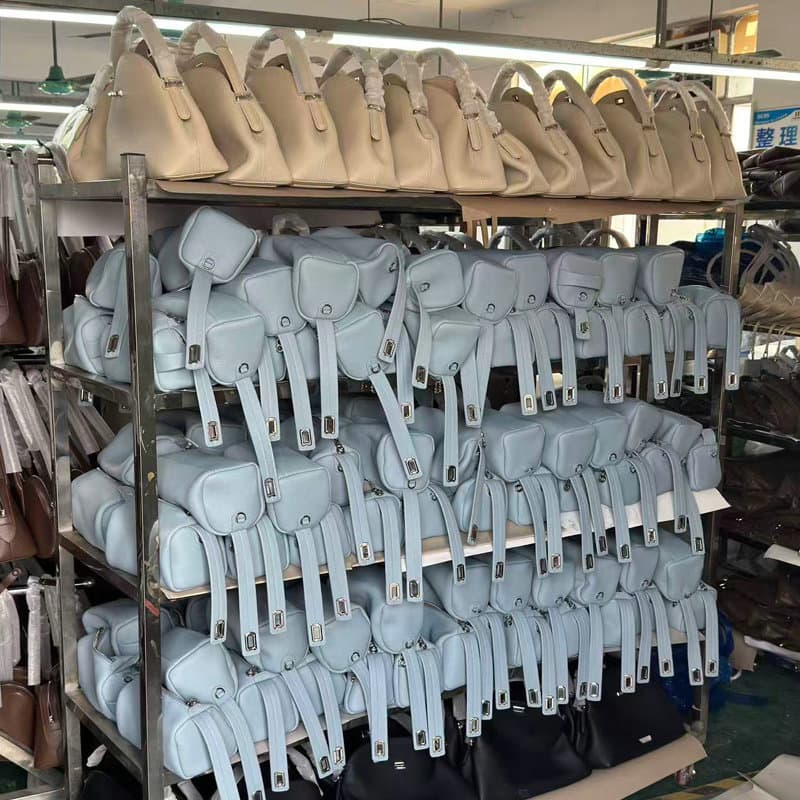
Packaging is part of the product experience and part of risk control. A rigid gift box may suit an executive program, but it also affects carton size, freight volume, and handling. Individual OPP bags can be appropriate for a cosmetic-bag order that needs protection and easy barcode application. A buyer should specify what the receiver needs, not just the retail look.
Before dispatch, confirm the carton packing quantity, carton dimensions if needed for freight planning, gross weight, shipping marks, barcode or label requirements, and any destination-specific documents. During shipment inspection, check not only the product but also the count, packing arrangement, carton condition, and label accuracy.
A concise corporate gift supplier checklist
Use this list during supplier comparison:
- The supplier clearly explains its manufacturing and project-management role.
- The quotation is based on a written brief, not assumptions.
- Material, logo process, packaging, and sample stages are defined.
- A physical sample or relevant material reference is available before mass production.
- The approved sample becomes the quality reference.
- Quality checkpoints and final shipment inspection are discussed.
- MOQ, production timing, and exclusions are stated clearly.
- The supplier responds with specific questions and documented revisions.
- Packaging and shipping marks are included in the production plan.
- The supplier can support the next step: sample, technical review, or a comparable option.
FAQ
What should I ask a corporate gift supplier before requesting a quote?
Share the product type, quantity, recipient or application, target date, destination, preferred material, logo artwork, packaging needs, and budget direction. Ask what information is still needed to make the quotation accurate.
Should I choose a factory or a trading company for custom gifts?
Choose the partner that is transparent about who controls development, production, quality, and communication. A factory can offer direct production knowledge. A capable trading partner may add sourcing breadth. The important factor is accountability for the approved specification and delivery.
Do I need a sample before bulk production?
For a custom product, a pre-production sample is usually the best way to confirm material, construction, logo, and packaging before bulk production. The need and cost depend on how different the item is from an existing style.
What is a reasonable MOQ for custom leather gifts?
MOQ depends on the material, construction, logo process, packaging, and stock availability. MHERDER's product pages use 100 pieces as a starting point for many custom projects, with final MOQ confirmed after the specification is reviewed.
What should be checked at shipment inspection?
Check workmanship, color, logo appearance and position, function, quantity, individual packaging, carton condition, shipping marks, and the match to the approved reference sample.
Conclusion
The strongest corporate gift supplier is the one that makes your project easier to control. Look for a partner that turns your requirements into visible decisions: a material reference, logo proof, sample, inspection plan, packaging instruction, and realistic dispatch plan. That process protects both the gift and the brand behind it.
Final CTA: Get a custom leather gift project review
MHERDER develops custom wallets, passport holders, cosmetic bags, luggage tags, organizers, shopping bags, and branded gift sets for global B2B projects. Share your requirements and we will recommend a practical product, material, logo, and packaging route. Get a Quote