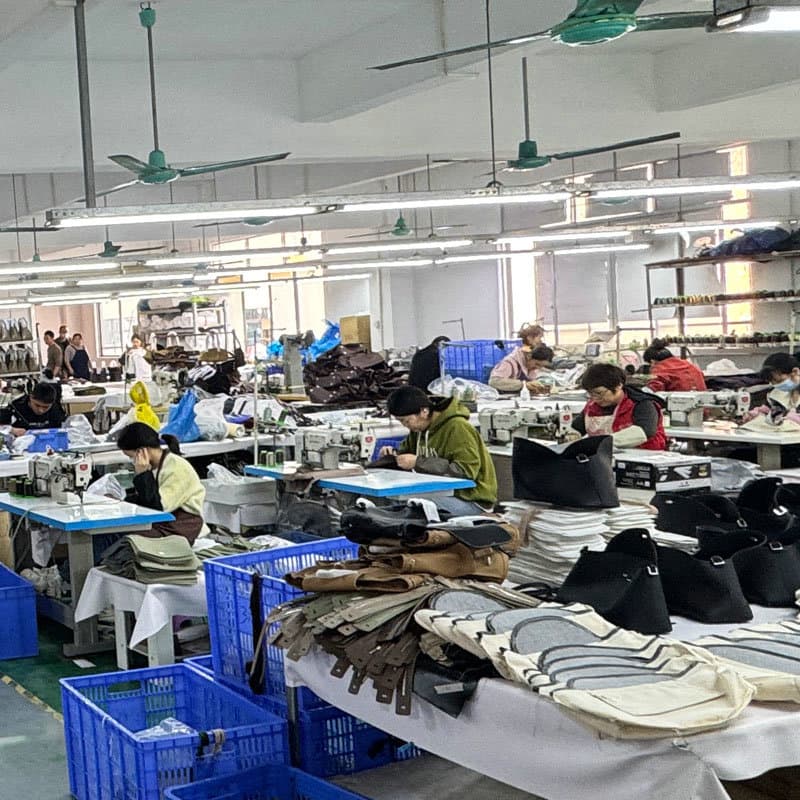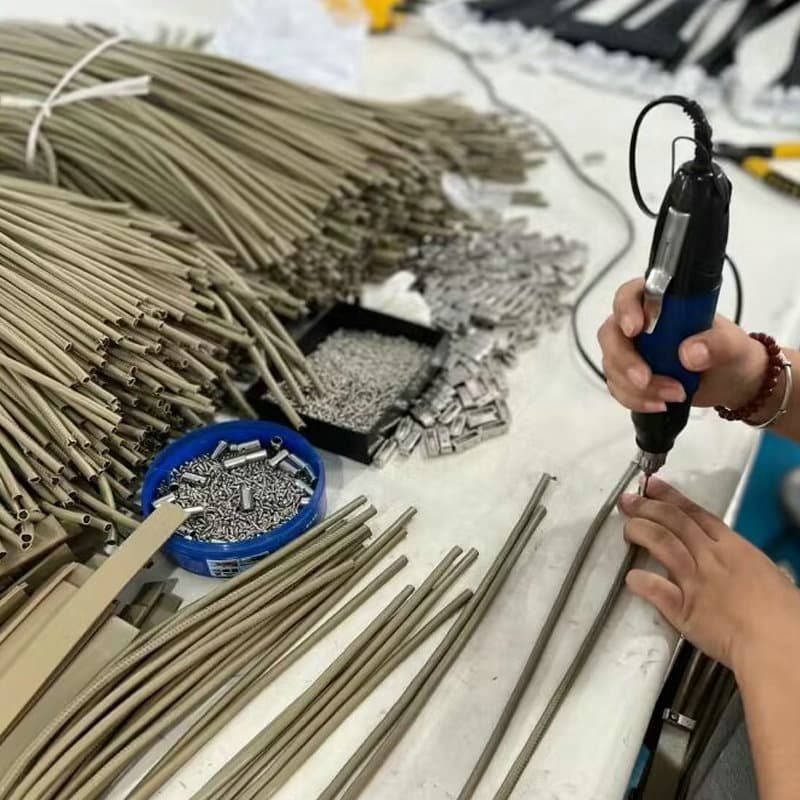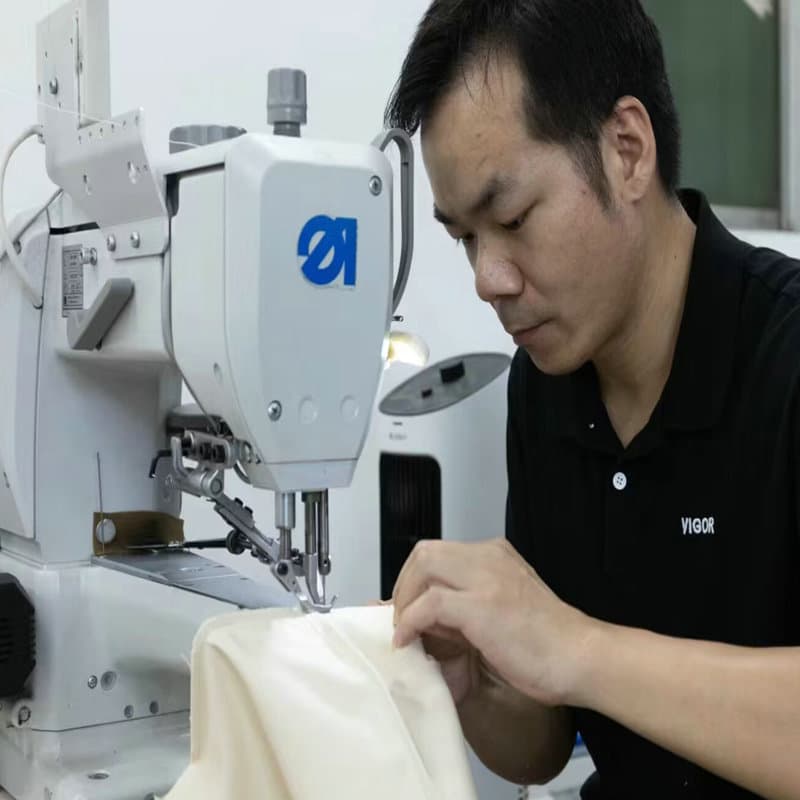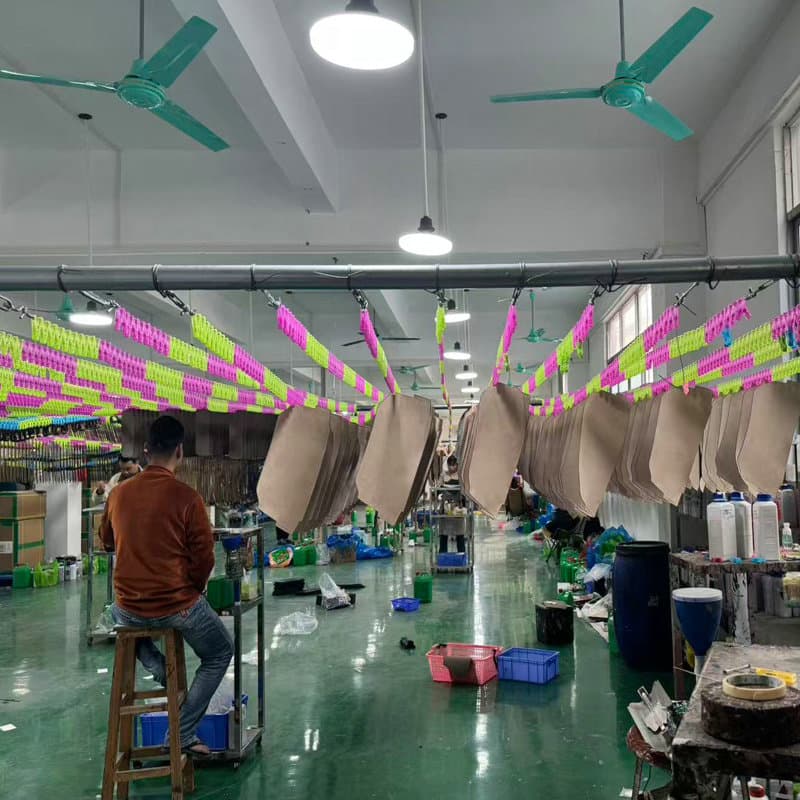
OEM and ODM are often used as if they mean the same thing. They do not. The difference matters when you are sourcing a custom wallet, passport holder, cosmetic bag, luggage tag, organizer, or corporate gift set because it determines who owns the product concept, how much design work is needed, what the sample must prove, and where cost and timing risk sit.
Short answer: choose OEM when your team owns a specific product design or needs a factory to manufacture to your specification. Choose ODM when you want to adapt an established factory style with your brand, colors, logo, packaging, or selected functional changes. Many B2B projects use a practical middle route: an existing construction with selected OEM changes.
For a buyer, the decision is not about which term sounds more premium. It is about selecting the development path that matches the brief, the available artwork and technical information, the target quantity, the deadline, and the amount of product differentiation the brand actually needs.
What OEM means for leather gifts
OEM, or Original Equipment Manufacturing, means the buyer provides the product concept, specification, or design direction and the manufacturer produces it. In a leather-goods project, the input may range from a complete technical pack to a sketch, reference sample, dimension list, or set of functional requirements.
An OEM project can include:
- a new wallet layout with a specific number of card slots;
- a passport holder sized around a particular travel document or accessory;
- a cosmetic bag with a custom interior, divider, or handle construction;
- a leather organizer designed to fit a particular notebook, cable set, or campaign item; or
- a gift set that combines several items with a defined presentation structure.
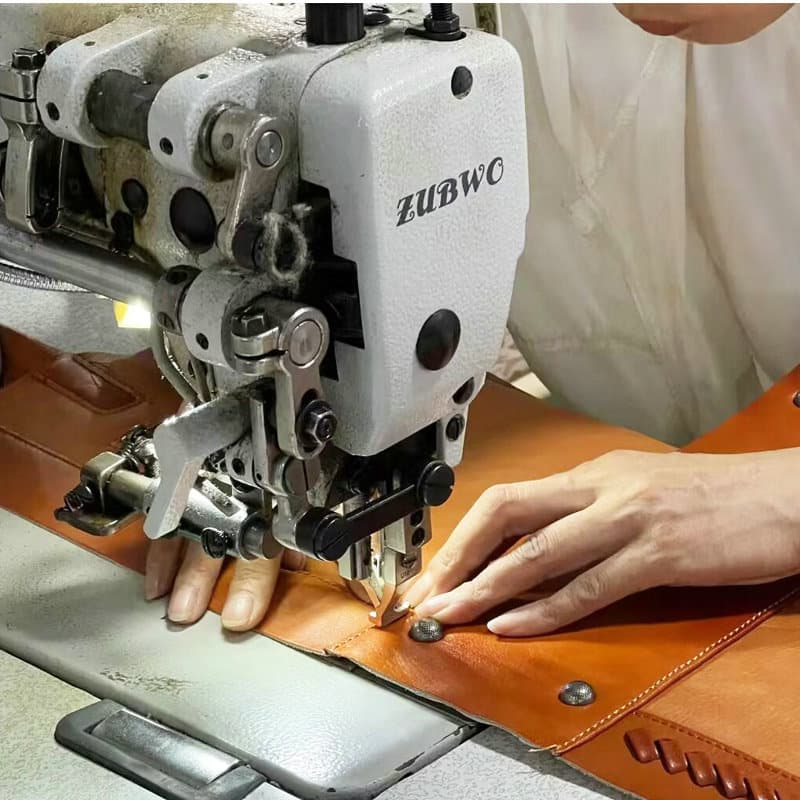
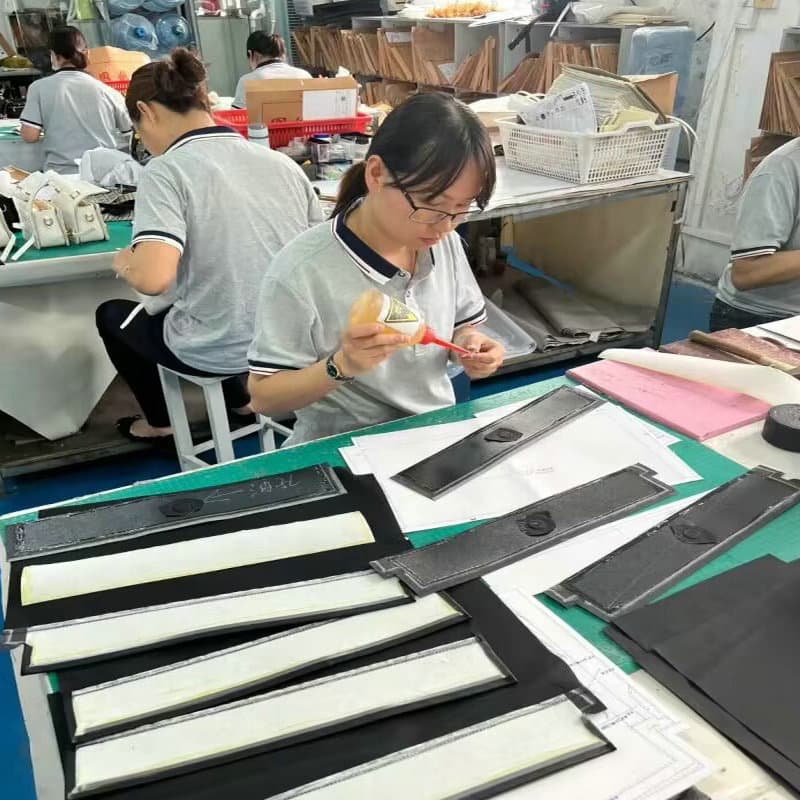
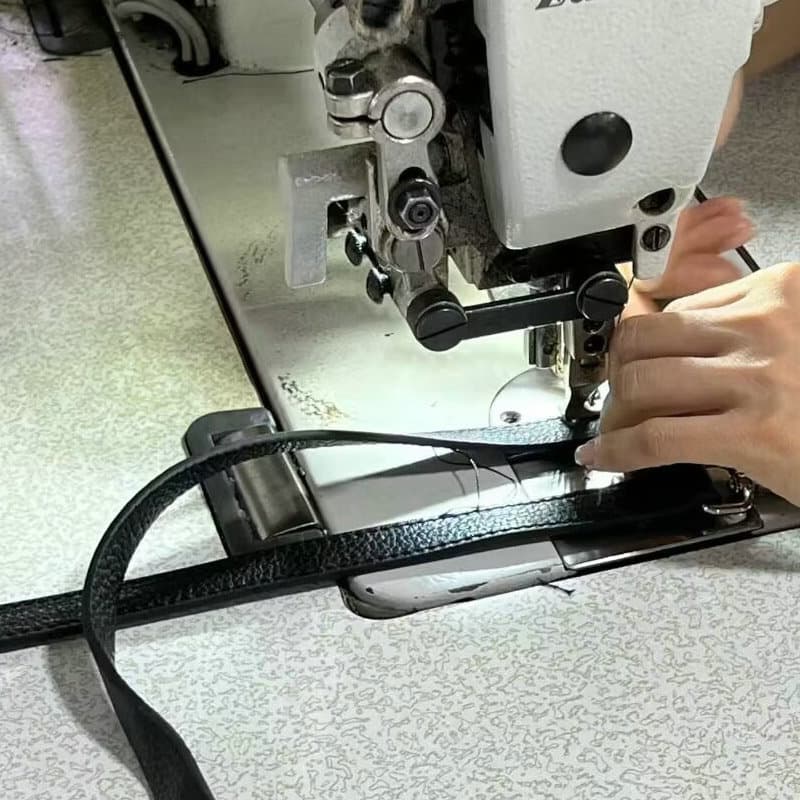
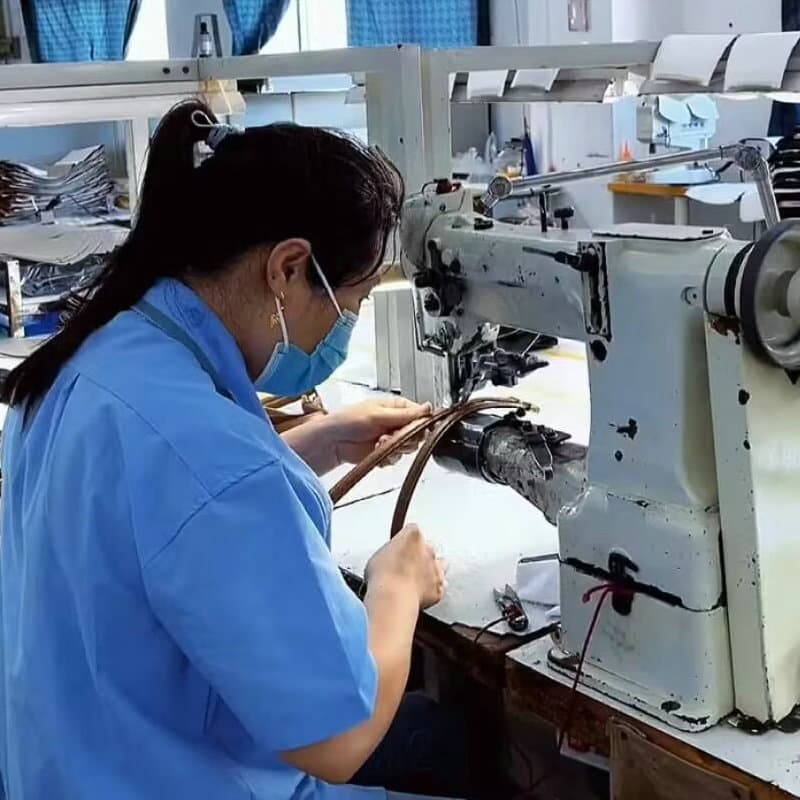
The manufacturer converts the request into patterns, material specifications, construction steps, logo details, and a sample. The buyer reviews the sample and approves the production version before mass production begins.
OEM gives the buyer more product control. It also requires clearer decisions. If the brief does not specify the required dimensions, material, logo, function, and packing direction, the factory must make assumptions. Those assumptions can be reasonable, but they should be visible and approved rather than discovered after production.
What ODM means for leather gifts
ODM, or Original Design Manufacturing, starts with a product design already developed by the manufacturer. The buyer selects an existing style and customizes defined options. This may include color, material choice, logo treatment, lining, hardware color, packaging, or a small construction adjustment.
For example, a buyer might select an existing zipper cosmetic-bag shape, choose a forest-green PU exterior, add a debossed logo, request a water-resistant lining, and specify individual OPP bags with barcode labels. The core construction is established. The brand expression and commercial configuration are new.
ODM is useful when speed, lower development risk, and proven construction are more important than owning a fully new silhouette. It can reduce the number of design decisions and make sampling more direct. It does not mean "no customization." It means the customization happens within a known product platform.
OEM vs ODM: the practical differences
| Decision area | OEM | ODM |
|---|---|---|
| Starting point | Buyer concept or specification | Existing manufacturer style |
| Product uniqueness | Higher potential | Defined by available platform and options |
| Development work | More pattern and sample development may be needed | Usually focused on selected changes and branding |
| Information needed from buyer | Dimensions, functions, materials, artwork, packing direction | Logo, colors, quantity, material and packaging selections |
| Sample purpose | Prove a new or modified construction | Confirm the chosen configuration and branding |
| Lead-time risk | Can be higher if development is complex | Often easier to plan when the base style is established |
| Best fit | Brand collections, unique gifts, functional requirements | Campaigns, launch programs, tested product shapes |
These are tendencies, not fixed rules. An ODM base style can become development-heavy if the buyer changes the size, interior, hardware, and construction at once. An OEM brief can be efficient when the buyer arrives with a complete technical package and an experienced approval process.
Choose OEM when the product itself is part of the brand strategy
OEM is usually appropriate when the brand needs a product that cannot be achieved by changing the color or logo on an existing style. Consider OEM when you need:
- a distinctive product silhouette or brand-recognizable detail;
- exact dimensions for a product ecosystem or retail assortment;
- a custom interior for travel documents, cards, technology, or beauty tools;
- material combinations that are central to the concept;
- a special packaging structure that must work with the product; or
- an exclusive product program where the product design carries the campaign message.
The key to making OEM manageable is a disciplined brief. Start with the user and the function. A request such as "a premium travel organizer for a frequent flyer program" needs follow-up questions: What must it hold? Should it fit a passport, boarding pass, pen, phone, cards, charging cable, or all of these? Will it be used daily or given once? Does it need to fit inside a gift box? Every answer affects pattern design and material use.
Choose ODM when you need a reliable route to market
ODM is often the better commercial choice when the buyer needs a branded product that is attractive, functional, and dependable without reinventing every construction detail. It is particularly useful for corporate-gift campaigns, promotional programs, retailer trial orders, and private-label tests.
Use an ODM route when:
- the product function is already common and proven;
- the delivery date leaves limited time for multiple design iterations;
- the brand needs logo, color, packaging, and presentation customization more than a new shape;
- the initial quantity does not justify substantial pattern development; or
- the team wants to evaluate a product category before committing to a larger collection.
A good ODM discussion is still specific. Instead of asking for "a cosmetic bag with our logo," state the recipient, quantity, desired use, outer material, lining direction, logo method, packaging, and target date. This allows the supplier to recommend the most suitable existing construction rather than sending a generic catalog.
The hybrid route: established construction, custom execution
Many successful B2B gift projects are neither pure OEM nor pure ODM. They begin with an established factory style, then add changes that matter to the campaign. This may include a new material, adjusted dimensions, a new pocket configuration, a custom metal puller, or a matching gift sleeve.
This hybrid route can give the buyer useful differentiation while retaining a construction that the factory already understands. It is also easier to discuss during sample development. The buyer can compare the proposed change against a known base instead of reviewing an entirely new product at every stage.
The right question is not "Can you do OEM or ODM?" It is: Which parts of this project are proven, which parts are new, and what must the pre-production sample confirm?
How to brief an OEM or ODM supplier
Use the same core information for either route, but add more detail for an OEM project.
For an ODM inquiry
- Product category and preferred existing style
- Quantity range
- Brand logo file and preferred logo method
- Color or material direction
- Packaging requirement
- Target delivery date and destination
- Target use case and price direction
For an OEM inquiry
- Product dimensions, drawings, reference sample, or detailed concept
- Required functions and contents the product must hold
- Material and lining requirements
- Hardware, stitching, edge, and construction direction
- Logo artwork, placement, and size
- Packaging and labeling requirements
- Quantity, target date, destination, and budget expectations
If information is missing, a reliable manufacturer should identify it. That is not friction. It is part of preventing a sample from solving the wrong problem.
Sample development: what should happen before mass production
The sample is the bridge between a commercial idea and factory reality. For an OEM project, the factory may first produce a development sample to test pattern, proportion, function, and construction. The buyer then gives consolidated feedback. A pre-production sample should reflect the approved material, branding, and important packaging details before bulk production.
For an ODM project, the sample may move more quickly because the base construction is already known. The critical review is still necessary. Verify the selected material, color, logo depth or print quality, zipper or hardware finish, interior layout, and pack-out.
At MHERDER, project discussions should end in an approval record rather than a verbal memory. Keep the reference sample, artwork version, material description, final logo placement, packaging method, and corrections together. This gives the factory, buyer, and shipment-inspection team a common reference.
Mid-article CTA: Compare OEM and ODM options for your brief
Not sure whether your project needs new development or a customized proven style? Send MHERDER a photo, sketch, logo, quantity, and target date. We can identify the likely OEM, ODM, or hybrid route and explain what a sample needs to confirm. Ask for Product Guidance
Cost, MOQ, and timing: what changes between the models
OEM often involves more development effort because patterns, materials, components, and production steps may need to be created or adjusted. Tooling, logo molds, special hardware, and sample revisions can also affect the project cost. MOQ can rise when materials or components must be purchased specifically for the order.
ODM can be more efficient because the product platform is already developed. However, a low MOQ is not guaranteed. Minimums still depend on the selected material, color, hardware, logo method, packaging, and factory capacity. A buyer should ask for a quote based on the chosen configuration, not assume that every existing style can be ordered in a small quantity.
Timing should be measured from the right point. For both models, production lead time normally begins after the key sample, artwork, and commercial terms are approved. If an event date is fixed, work backward from the required arrival date and include sample development, production, quality checks, packing, and freight time. A supplier that identifies timing risk early is helping protect the program.
Quality control is different when the construction is new
Every custom gift needs visual and functional checks. An OEM project also needs close attention to whether the new construction performs as intended. A cosmetic bag with a newly designed divider should be loaded or handled in the way the recipient will use it. A wallet with a new card-slot configuration should be checked for alignment and practical access. A passport holder should be checked with the relevant document size before the production pattern is frozen.
During bulk production, confirm the parts that the customer approved: material and color, logo appearance, dimensions where necessary, stitching, edge finish, hardware, lining, packaging, and carton marks. A shipment inspection should compare finished goods against the approved reference, not against a generic description.
Common sourcing mistakes to avoid
Calling a new product "ODM" when it requires new construction
If the requested changes affect pattern shape, material behavior, internal structure, or hardware placement, treat them as development work. This creates a more realistic sample and timing plan.
Approving a sample without recording the details
An email saying "looks good" is weaker than an approval list. Record the artwork version, material, color, logo method, dimensions, packaging, and any accepted variation.
Comparing OEM and ODM quotes without equal specifications
One quote may include a stock PU material and OPP bag; another may include top-grain leather, a logo mold, and a gift box. Compare the deliverable, not only the number.
Treating the sample as a decoration
The sample is a decision tool. Use it to check function, logo, texture, construction, and packaging. Do not approve it only because the photography looks good.
FAQ
Is private label the same as OEM or ODM?
Private label describes selling a product under your brand. It can use either an ODM product with your logo and packaging or an OEM product developed to your specification.
Can an ODM product be customized?
Yes. Common ODM customizations include materials, colors, linings, logo methods, hardware finishes, packaging, and defined functional options. Confirm which changes are practical for the chosen base style.
Does OEM always take longer than ODM?
Not always, but OEM can require more development and approval steps because the product or construction is new. Timing depends on the readiness of the brief, material availability, sample revisions, and factory capacity.
Who owns an OEM design?
Ownership should be agreed in writing before development, especially where custom patterns, molds, artwork, or exclusivity matter. Do not rely on the terms OEM or ODM alone to define legal rights.
What is the best first step for a new leather-gift project?
Send a clear brief with your product use case, reference image or sketch, quantity, logo, material direction, packaging needs, target date, and destination. The supplier can then recommend an OEM, ODM, or hybrid path.
Conclusion
OEM and ODM are useful sourcing models when they are applied honestly. OEM is for projects where the product design or function needs to be built around your specification. ODM is for projects where a proven product platform can be customized efficiently. A hybrid path often delivers the best balance for branded gift programs.
The shared discipline is the same: write the brief, develop or configure the sample, record approval decisions, inspect against the approved reference, and plan shipment packaging before dispatch.
Final CTA: Turn your idea into a production-ready brief
MHERDER supports OEM and ODM projects for custom leather wallets, passport holders, cosmetic bags, luggage tags, organizers, shopping bags, and gift sets. Share your idea and the commercial details around it. We will help turn it into a practical sourcing route. Get a Quote