Key insight
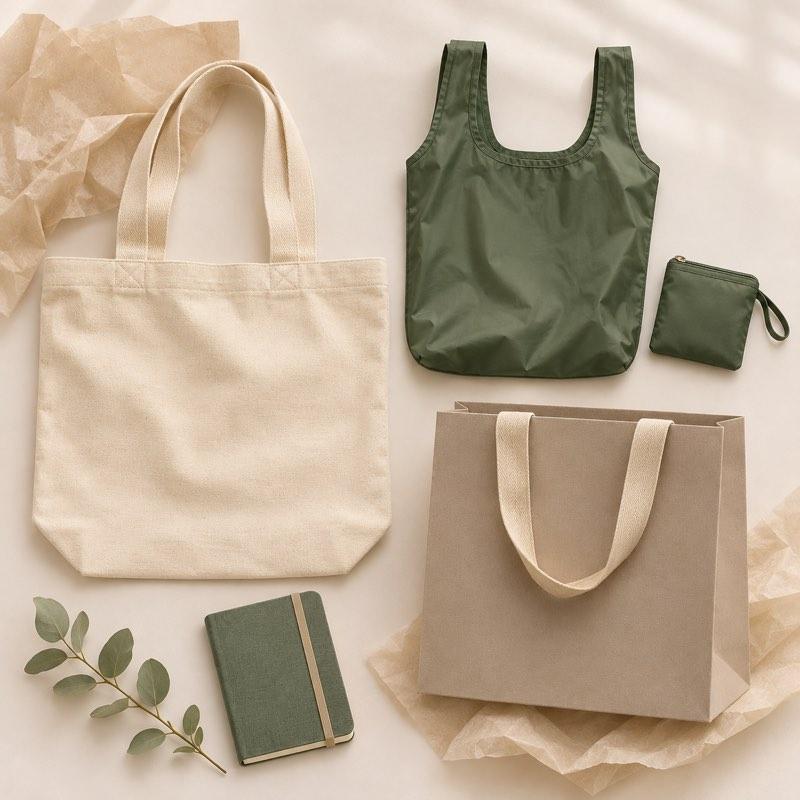
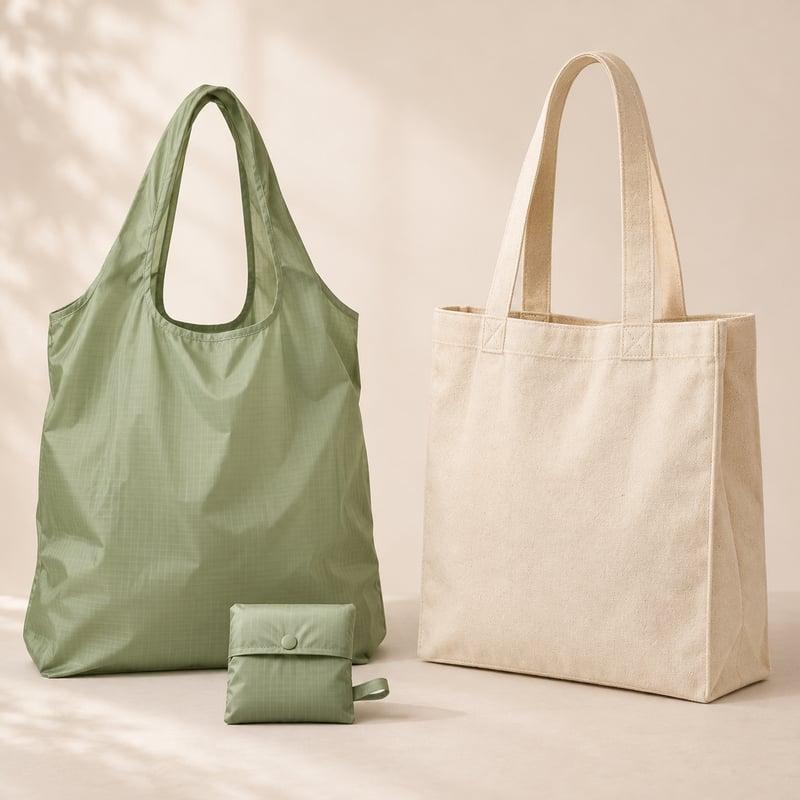
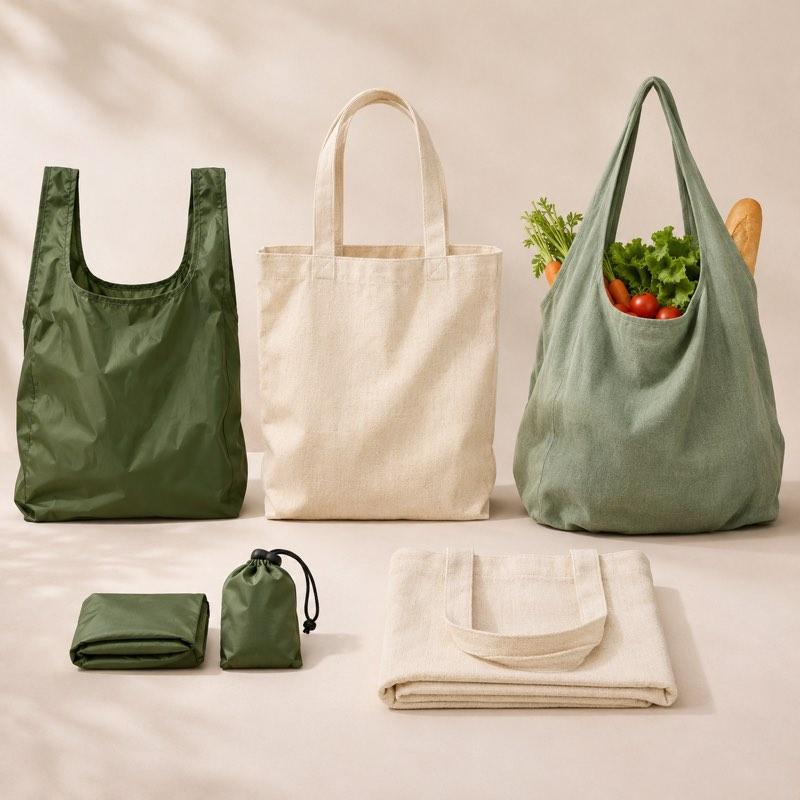
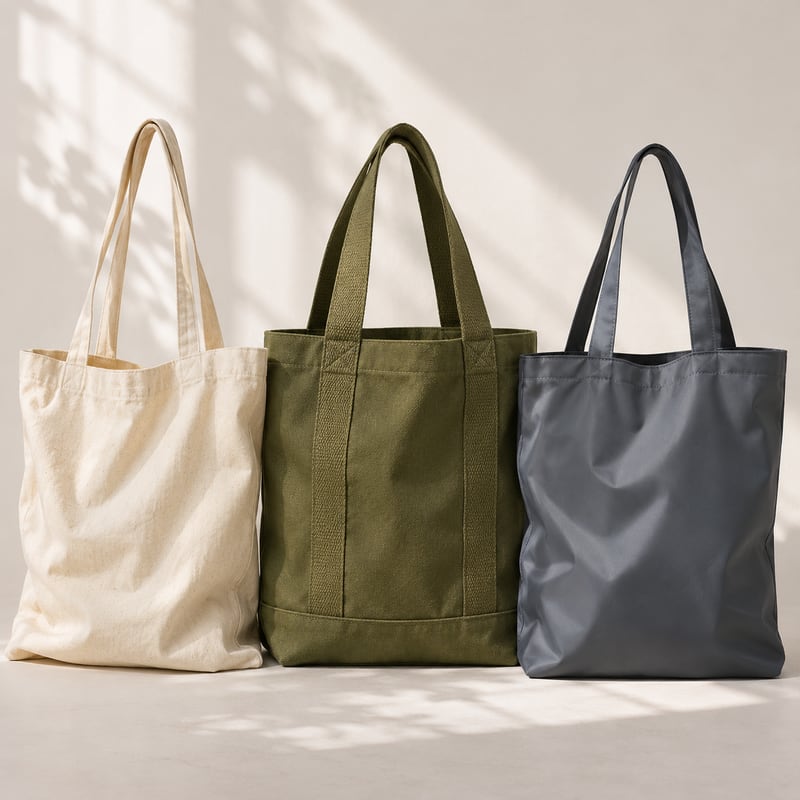
Start with the load, packed size and presentation your campaign needs. Try lightweight cotton for simple handouts, heavier canvas for structured gifts, and a lightweight polyester construction for foldable kits. Cotton is a fibre and canvas is a weave, so a bag can be both. Verify any recycled-content claim for the selected material and order.
Shopping bags for promotional gifts can look simple, but the material choice can quickly become risky when the bag feels too cheap, too heavy, or off-brand. A poor match can weaken the campaign. A better approach is to choose the material based on the bag’s job, the client’s brand position, and the expected reuse.
The best material for shopping bags for promotional gifts depends on the campaign use case. Cotton suits lightweight everyday promotions, canvas works well for stronger and more premium-feeling gifts, and recycled polyester is practical for foldable, lightweight event or retail campaigns. Resellers should match material to budget, brand image, distribution method, and reuse expectations.
Giftvera often sees buyers ask, “Which material is best?” The better question is, “What does the bag need to do for this campaign?” That small shift makes recommendations clearer, easier to defend, and more useful for distributors, agencies, and corporate gift suppliers.
Compare shapes and handles in Giftvera’s custom shopping bag collection.
How Should Resellers Choose Shopping Bags for Promotional Gifts by Campaign Job?
A client may ask for shopping bags for promotional gifts with only a logo, quantity, and target price. That creates a problem because the same bag can work well for one campaign and feel wrong for another. The wrong material can make a useful gift look careless.
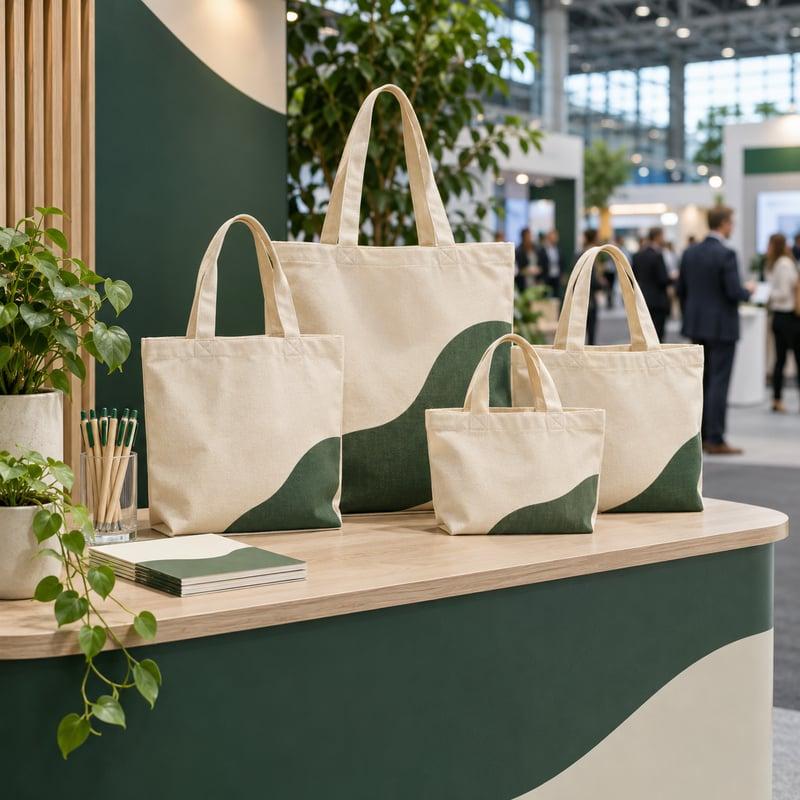
The best way to choose shopping bags for promotional gifts is to define the campaign job first. A trade show handout, retail gift-with-purchase, premium customer giveaway, and lightweight event bag each need different material logic. Material should support the use case, not just meet the lowest unit price.
Start With the End Use, Not the Fabric Name
Giftvera has handled many selection discussions where the first request sounded simple: “We need cotton bags,” or “Can you quote canvas bags?” After a few questions, the project often changed direction. The client did not really need a fabric. The client needed a bag that matched a campaign.
A reseller can ask:
- Where will people receive the bag?
Trade show booth, retail checkout, hotel room, corporate event, or direct mail?
- What will the recipient carry inside it?
Brochures, cosmetics, apparel, samples, snacks, folders, or a gift set?
- How long should the bag stay in use?
One event day, several shopping trips, daily commuting, or long-term brand exposure?
- What feeling should the bag create?
Budget-friendly, natural, premium, modern, practical, travel-ready, or eco-conscious?
- How will the bag be stored and distributed?
Flat packed, folded into a box, shipped with other products, or handed out in bulk?
These questions are more useful than asking whether cotton is “better” than polyester or whether canvas is “worth it.” Each material has a different role.
Match Material Logic to Campaign Type
| Campaign type | Common buyer concern | Better material logic |
|---|---|---|
| Trade show handout | Easy to distribute, low friction, visible logo | Cotton or recycled polyester can work well |
| Retail gift-with-purchase | Must match brand image and product value | Cotton, canvas, or recycled polyester depending on positioning |
| Premium customer gift | Needs stronger perceived value | Canvas often works better |
| Lightweight event bag | Must be easy to carry and store | Recycled polyester is often practical |
| Lifestyle brand giveaway | Must feel aligned with brand tone | Cotton or canvas often creates a natural look |
| Travel or outdoor campaign | Must fold, resist casual handling, and pack easily | Recycled polyester can be a good fit |
Why This Helps Resellers Sell With Confidence
A reseller is not only selling a bag. A reseller is explaining a choice to the end client. If the recommendation is based only on price, it can feel weak. If the recommendation connects the bag to the campaign job, it becomes easier to approve.
For example:
“For this retail gift-with-purchase, canvas may support your premium product positioning better than a thin cotton bag. If you need a lighter mailing option, recycled polyester may be easier to fold and pack.”
That kind of explanation gives the client a clear reason. It also reduces the chance that the bag arrives and feels mismatched.
Giftvera usually recommends that buyers confirm sample feel, logo method, bag size, handle length, and packaging before bulk production. These details often affect the final impression as much as the base material.
When Do Cotton Shopping Bags for Promotional Gifts Make Sense?
Cotton shopping bags for promotional gifts can be a safe and familiar option, but problems appear when clients assume cotton always means premium or automatically sustainable. That can create unrealistic expectations. A light cotton tote may be useful, but it may not carry the same perceived value as canvas.
Cotton works best when the campaign needs a natural-feel, lightweight, budget-conscious promotional bag for everyday use. It is suitable for simple logo printing, retail promotions, events, and lifestyle campaigns, but resellers should avoid presenting cotton as automatically the most durable, premium, or sustainable choice.
Where Cotton Usually Performs Well
Cotton has a friendly, familiar look. Many end clients understand it quickly, which makes it easy for resellers to present. It often works well for brands that want a soft, natural, casual impression.
Giftvera often sees cotton considered for:
- Brand launch events
- Bookstores and cultural events
- Beauty and lifestyle giveaways
- Light retail gift-with-purchase campaigns
- Employee welcome kits
- Low-to-mid budget promotional programs
Cotton bags can work well when the contents are not too heavy and the client wants a relaxed brand feeling. They are also easy to pair with simple artwork.
Cotton Is Not One Single Quality Level
Resellers should explain that “cotton bag” is not enough as a specification. The final feel depends on several details:
| Detail | Why it matters |
|---|---|
| Fabric weight | Affects hand feel, structure, and perceived value |
| Bag size | Affects usability and material consumption |
| Handle length | Affects comfort and whether the bag fits over the shoulder |
| Stitching quality | Affects appearance and confidence in reuse |
| Logo method | Affects brand presentation and cost |
| Color | Natural cotton and dyed cotton create different impressions |
A lightweight cotton bag can be cost-effective, but it may feel too thin for a premium skincare gift. A heavier cotton option can feel better, but the price and packing weight may increase. This is why cotton should be framed as a flexible material family rather than one fixed answer.
How to Explain Cotton to End Clients
A clear reseller explanation could sound like this:
“Cotton is a good fit if you want a natural-looking, everyday promotional bag with simple logo branding. It keeps the campaign approachable. If you want a more structured or premium gift, we may compare it with canvas before deciding.”
This wording is careful. It does not overclaim. It gives the client a reason to choose cotton while keeping room for comparison.
What to Check Before Recommending Cotton
Giftvera suggests checking these points before confirming cotton shopping bags for promotional gifts:
- Will the recipient carry heavy products?
If yes, a more substantial construction may be needed.
- Does the brand want a premium look?
If yes, canvas may be stronger visually.
- Will the bag be mailed?
Cotton can fold, but thickness and wrinkles should be considered.
- Is the client making sustainability claims?
If yes, ask what claims can be supported with supplier documents.
- Will the logo be detailed or colorful?
Logo method and fabric surface can affect the result.
Cotton is often a good promotional choice, but it is not a magic answer. It works best when the campaign values a simple, natural, and approachable feel.
When Is Canvas the Better Choice for Shopping Bags for Promotional Gifts?
Some clients want shopping bags for promotional gifts that feel more substantial, but they still ask for the lowest possible tote bag option. This can create a gap between the campaign’s image and the actual product. If the bag feels too light, the brand message may feel weaker.
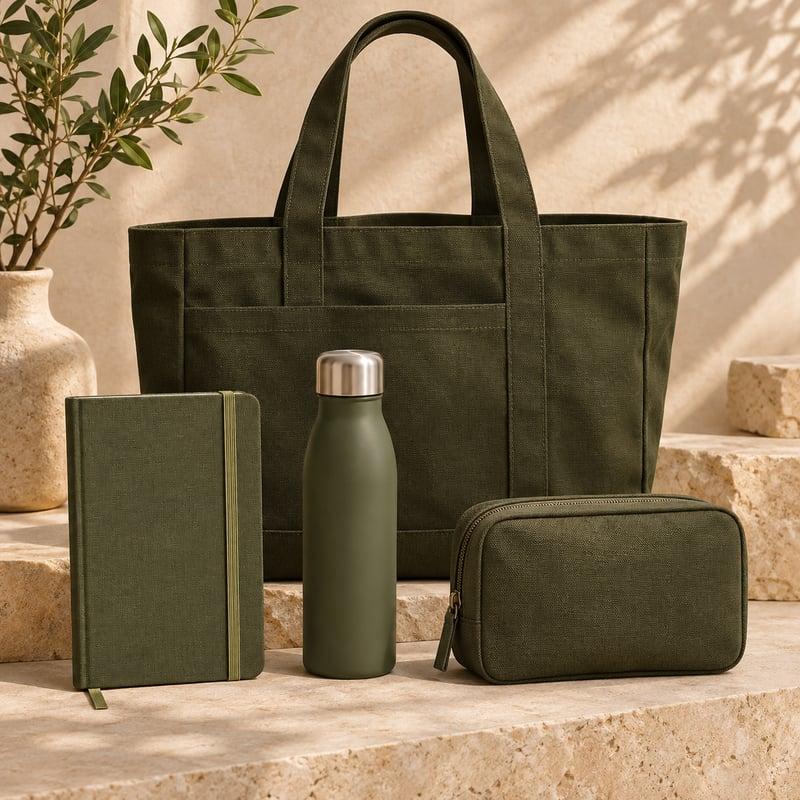
Canvas is often the better choice when shopping bags for promotional gifts need stronger structure, higher perceived value, and longer reuse potential. It suits premium retail gifts, branded merchandise, customer appreciation campaigns, and gift sets where the bag itself should feel like part of the gift.
Why Canvas Feels More Substantial
Canvas usually gives a stronger first impression than lightweight cotton. It can stand closer to a reusable retail tote or lifestyle accessory, especially when the shape, handle, color, and logo placement are well designed.
Giftvera often recommends considering canvas when the client says:
- “We want the bag to feel valuable.”
- “The recipient should reuse it after the event.”
- “This is for VIP customers.”
- “The product inside is premium.”
- “The bag needs better structure.”
- “We do not want it to feel like a cheap giveaway.”
Canvas can support these goals because it has more body. It can hold shape better than many lightweight fabric bags. It can also give a clean surface for minimalist branding.
Canvas and Brand Positioning
Canvas is not only about strength. It also sends a message. A canvas bag can feel:
- Crafted
- Natural
- Retail-ready
- Lifestyle-oriented
- More permanent
- More giftable
This can matter more than a small price difference. A premium coffee brand, cosmetics brand, museum shop, boutique hotel, or design event may not want a bag that feels disposable. In those cases, canvas helps the reseller defend a higher-value recommendation.
Practical Comparison: Cotton vs. Canvas
| Decision point | Cotton | Canvas |
|---|---|---|
| General feel | Light, casual, natural | Stronger, thicker, more structured |
| Perceived value | Low to medium | Medium to high |
| Best for | Everyday promotions, events, simple gifts | Premium giveaways, reusable retail bags, gift sets |
| Packing | Easier when lighter | Bulkier if heavier |
| Budget | Often more budget-friendly | Usually higher cost |
| Reuse impression | Depends on weight and construction | Often stronger reuse perception |
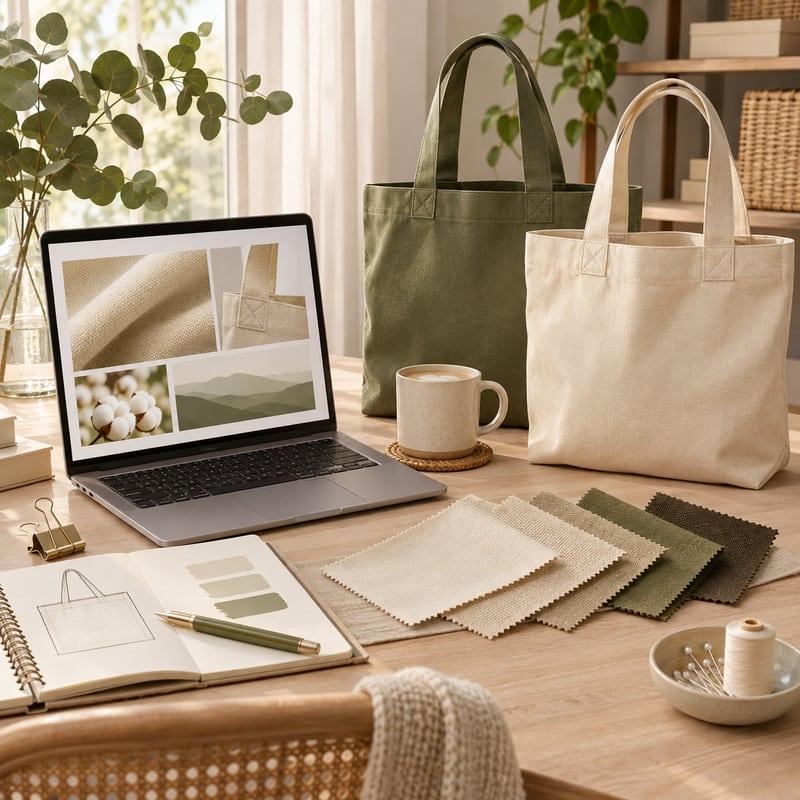
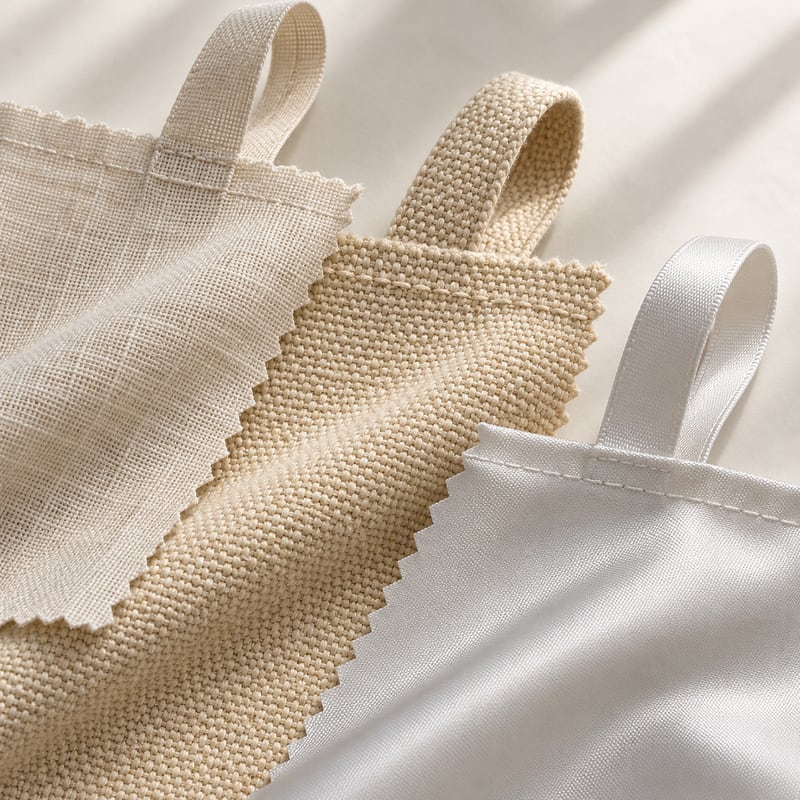
Read the two columns as examples of lightweight cotton fabric and heavier cotton canvas. Cotton describes the fibre, while canvas describes the weave. Ask suppliers to specify fibre composition, weave, fabric weight in grams per square metre (GSM), and finished construction, including the base, seams and handle attachments. Compare two finished samples at the same size to see how those specifications affect use.
Worked example: the same kit for two campaigns
Use the same brochure and boxed sample in each bag. Keep the bag dimensions and artwork consistent where possible so you can compare how the fabric and construction affect the result.
- High-volume trade show handout. Compare lightweight cotton with lightweight woven polyester. Time how quickly staff can load the brochure and box, check that the brochure stays flat, and compare the folded thickness or how many empty bags fit in the same carton.
- Member appreciation gift. Try a heavier cotton canvas sample. Carry it with the same contents and check whether the base keeps its shape, the handles sit comfortably, and the logo remains readable on the filled bag.
Record the results on the sample brief so the final choice reflects how the bag will be packed, distributed and used.
This comparison helps resellers avoid a common mistake: presenting canvas only as “more expensive cotton.” Canvas should be positioned as a different brand experience.
When Canvas May Not Be the Best Fit
Canvas is not always the right answer. It can be too heavy, too bulky, or too costly for some campaigns. A conference with 10,000 attendees may not need a heavy canvas bag if the goal is fast distribution and low packing volume. A mailer campaign may also need a lighter material.
A reseller should ask:
- Will the added structure improve the campaign?
- Will the client’s audience value the stronger feel?
- Can the budget support the material and shipping volume?
- Does the bag need to fit inside a gift box?
- Will the logo style work well on canvas texture?
Giftvera has seen clients choose canvas after comparing samples because the hand feel made the recommendation easier to approve. However, samples matter. Photos cannot fully show thickness, texture, or stiffness. For higher-value projects, Giftvera usually recommends sample confirmation before production.
When Should Recycled Polyester Shopping Bags for Promotional Gifts Be Recommended?
Recycled polyester shopping bags for promotional gifts can be attractive when clients want a recycled-material story, but careless claims can create risk. A reseller should not promise broad environmental impact without evidence. The material should be presented as practical first, with any sustainability statements supported by documents the buyer can verify.
Recycled polyester is a practical option for lightweight, foldable, and easy-to-distribute shopping bags for promotional gifts. It is often suitable for events, travel campaigns, retail giveaways, and programs that want a recycled-material message, provided that recycled content claims and related certificates are verified before use.
Where Recycled Polyester Works Well
Recycled polyester can be useful when a campaign needs portability. It often fits projects where the bag must fold small, pack easily, or support a modern functional look.
Common use cases include:
- Exhibition giveaways
- Outdoor events
- Travel promotions
- Retail gift-with-purchase programs
- Lightweight grocery-style bags
- Foldable shopping bags
- Brand campaigns with recycled-material messaging
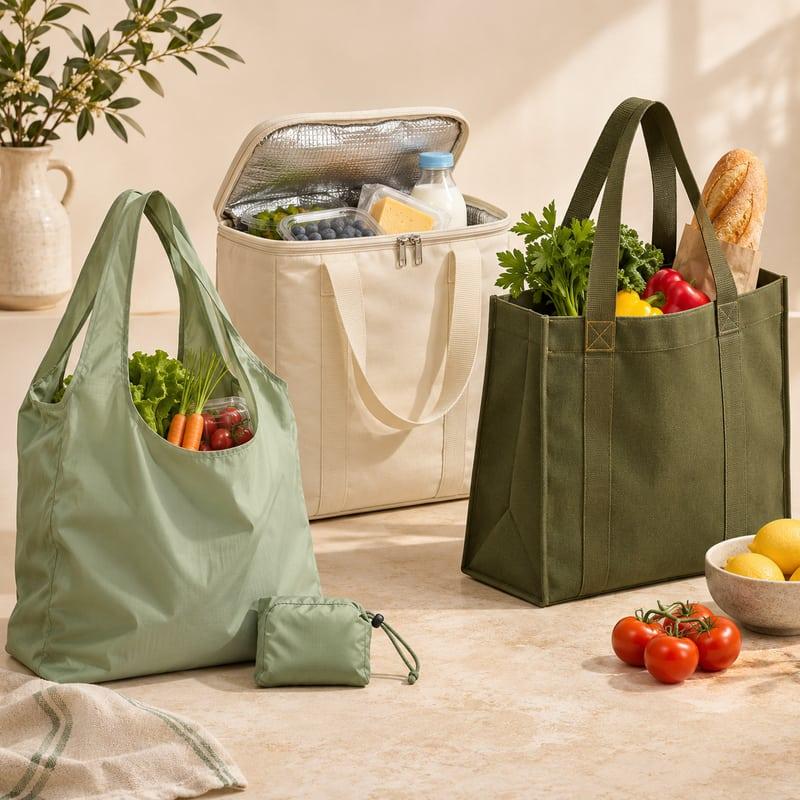
The key advantage is practical handling. A foldable bag can be stored in a pouch, added to a product box, or distributed in high quantities more easily than a bulky canvas tote.
Be Careful With Sustainability Claims
Giftvera recommends cautious language when resellers discuss recycled polyester. It is reasonable to say that the material is intended to use recycled polyester if the supplier can provide supporting documents. It is not reasonable to claim that it is automatically the most sustainable choice for every campaign.
Better wording:
“This option can support a recycled-material story. We should confirm the recycled content documentation and any certification requirements before you make final marketing claims.”
Risky wording:
“This is the most eco-friendly bag.”
The second statement is too broad. It may require lifecycle data, certified content verification, or legal review depending on the market and claim. Resellers should help clients avoid unsupported claims.
For an overview of recycled-content certification and chain of custody, see the Textile Exchange RCS and GRS overview.
What Documents Buyers May Ask to Verify
Depending on the project and market, buyers may ask suppliers to provide documents related to recycled content or material claims. Giftvera treats these as documents to review, not as slogans.
Potential documents may include:
- Recycled material declaration
- Transaction or material traceability documents
- Supplier certification copies, if applicable
- Product specification sheet
- Test reports requested by the buyer
- Packaging and labeling details
The exact documents depend on the client’s compliance requirements. A professional review may be needed for regulated claims, retailer programs, or public sustainability statements.
Recycled Polyester vs. Cotton vs. Canvas
| Factor | Cotton | Canvas | Recycled polyester |
|---|---|---|---|
| Feel | Natural and soft | Substantial and structured | Smooth, light, functional |
| Packing volume | Low to medium | Medium to high | Often low |
| Best message | Simple, casual, natural | Premium, reusable, lifestyle | Practical, foldable, recycled-material story |
| Good for heavy items | Depends on construction | Often better | Depends on fabric and sewing |
| Claim risk | Natural does not equal automatically sustainable | Reuse potential depends on actual use | Recycled claims should be verified |
| Typical campaign fit | Everyday promotion | Higher-value gift | Event, travel, retail, compact giveaway |
How to Explain Recycled Polyester to End Clients
A reseller can say:
“Recycled polyester is a good fit if you need a lightweight, foldable bag that is easy to distribute. It can also support a recycled-material message, but we should verify the documentation before using specific sustainability claims.”
This explanation is balanced. It sells the practical benefit first. It also protects the reseller and the client from overpromising.
For promotional gift projects, this matters. The bag must function well, but the client also needs language that can be used safely in a presentation, product page, or campaign brief.
How Can Resellers Explain Material Tradeoffs Without Overpromising?
A reseller may understand the differences between cotton, canvas, and recycled polyester, but the end client may only see three prices. That creates pressure to simplify too much. If the explanation is weak, the client may choose the cheapest option and later feel disappointed.
Resellers should explain material tradeoffs through four points: campaign purpose, brand perception, expected reuse, and evidence for claims. This approach helps clients choose shopping bags for promotional gifts with clearer reasoning instead of relying only on unit price or vague sustainability assumptions.
Compare closure and storage options in the foldable shopping bags and everyday totes guide.
Use a Simple Decision Framework
Giftvera often finds that resellers can make better recommendations with a short decision framework. The goal is not to sound technical. The goal is to make the decision logical.
A useful framework is:
- Campaign purpose
What is the bag meant to achieve?
- Recipient behavior
Will people reuse it, store it, travel with it, or discard it quickly?
- Brand image
Should the bag feel premium, natural, fun, practical, or compact?
- Budget range
What level of material, logo process, and packaging is realistic?
- Evidence and claims
Are sustainability or recycled-content claims being made?
This framework helps the reseller move from “Which is cheapest?” to “Which is appropriate?”
Recommended Talking Points by Material
| Material | What to say | What not to overclaim |
|---|---|---|
| Cotton | “Good for a natural, lightweight, everyday promotional feel.” | “Cotton is always premium or always the most sustainable.” |
| Canvas | “Better when the client wants structure, perceived value, and reuse potential.” | “Canvas is always necessary for durability.” |
| Recycled polyester | “Practical for lightweight, foldable distribution and recycled-material messaging.” | “Recycled polyester is automatically the greenest option.” |
This kind of language helps a reseller sound informed without making claims that require lab data or lifecycle assessment.
Price Is Important, but It Is Not the Whole Decision
Unit price matters in promotional products. However, a lower price can become expensive if the bag feels wrong for the campaign. A luxury skincare brand may save money on a thin bag but lose perceived value at the unboxing moment. A large event may overspend on heavy canvas when a lighter foldable option would serve the audience better.
Giftvera suggests looking at total campaign fit:
- Product cost
- Logo cost
- Packing cost
- Shipping volume
- Sample approval time
- Perceived value
- Expected reuse
- Client’s marketing claim requirements
A slightly higher unit cost may be justified if the bag will be reused and seen often. A lower-cost option may be correct if the campaign is short-term and the contents are light. The right answer depends on the project.
Sample Approval Reduces Risk
For custom shopping bags for promotional gifts, samples are important because material names do not tell the full story. Two cotton bags can feel very different. Two canvas bags can differ in stiffness. Two recycled polyester bags can differ in foldability and surface finish.
Before bulk production, resellers should confirm:
- Material hand feel
- Finished size
- Handle length
- Stitching and reinforcement
- Logo placement
- Logo color accuracy
- Packaging method
- Carton packing and shipping plan
This is also where Giftvera’s project experience becomes useful. Giftvera can help clients compare material options, review logo requirements, and arrange sampling based on quantity, budget, and delivery date.
How Should Shopping Bags for Promotional Gifts Be Matched to Brand Positioning?
A bag can carry products, but it also carries the brand’s signal. If a premium brand uses a bag that feels too thin, the gift may feel less valuable. If a mass event uses an overly heavy bag, the campaign may become inefficient and costly.
Shopping bags for promotional gifts should match the client’s brand position as much as the physical carrying need. Cotton supports casual and natural campaigns, canvas supports premium and reusable gift impressions, and recycled polyester supports lightweight, functional, and compact distribution with careful recycled-content messaging.
Brand Tone Should Guide Material Choice
Giftvera often asks clients what the bag should make the recipient feel. This question is simple, but it changes the conversation.
For example:
- A beauty brand may want a soft, minimal, natural-looking cotton or canvas bag.
- A sports brand may prefer recycled polyester for a lighter and more active feeling.
- A boutique hotel may prefer canvas for a more giftable welcome item.
- A bookstore or museum shop may choose cotton or canvas depending on budget and retail positioning.
- A large conference may choose cotton or recycled polyester because speed and distribution matter.
The material should not fight the brand story. It should support it quietly.
Match the Bag to the Product Inside
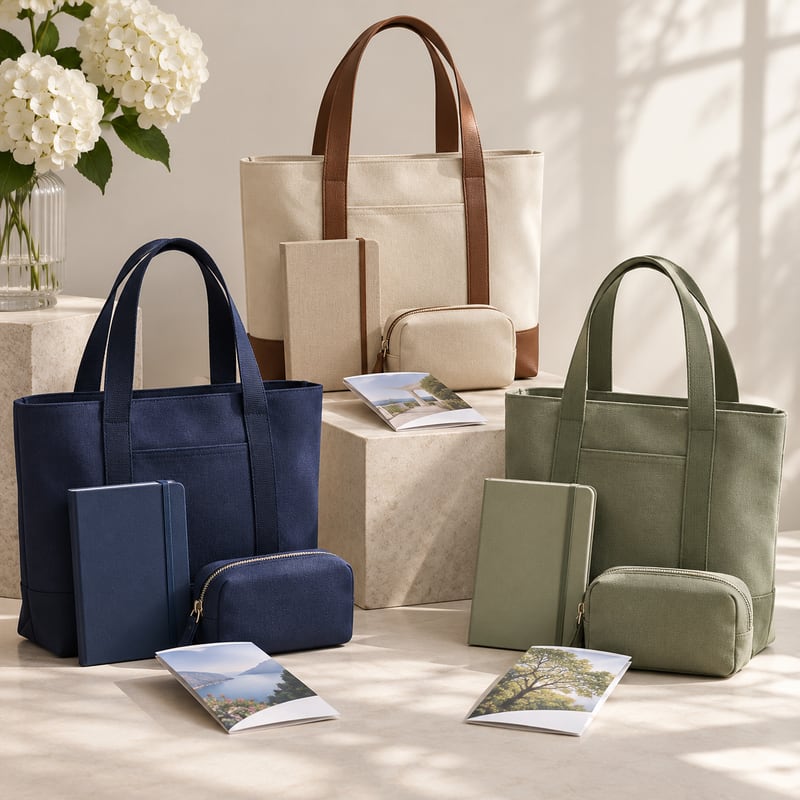
The product inside the bag also affects the choice. A small cosmetic sample set does not need the same structure as a heavy catalog pack. A VIP gift box may need a stronger bag than a flyer giveaway.
| Product inside | Suggested direction | Reason |
|---|---|---|
| Brochures and flyers | Cotton or recycled polyester | Lightweight and easy to distribute |
| Apparel | Cotton, canvas, or recycled polyester | Depends on brand value and folding needs |
| Cosmetics gift set | Canvas or better cotton | Supports perceived value |
| Grocery-style campaign | Recycled polyester or cotton | Practical for shopping use |
| Premium client gift | Canvas | Stronger gift impression |
| Travel welcome kit | Recycled polyester, cotton, or canvas | Depends on packing and use scenario |
This is useful for gift resellers because the end client often focuses on the bag alone. In reality, the bag and the contents should be planned together.
Logo Method Also Affects the Final Impression
Material choice and logo method should be considered together. A simple one-color logo may work well across all three materials. A detailed design, metallic logo, full-color artwork, or large print area may require more discussion.
Common options can include:
- Screen printing
- Heat transfer
- Embroidery
- Woven label
- Patch
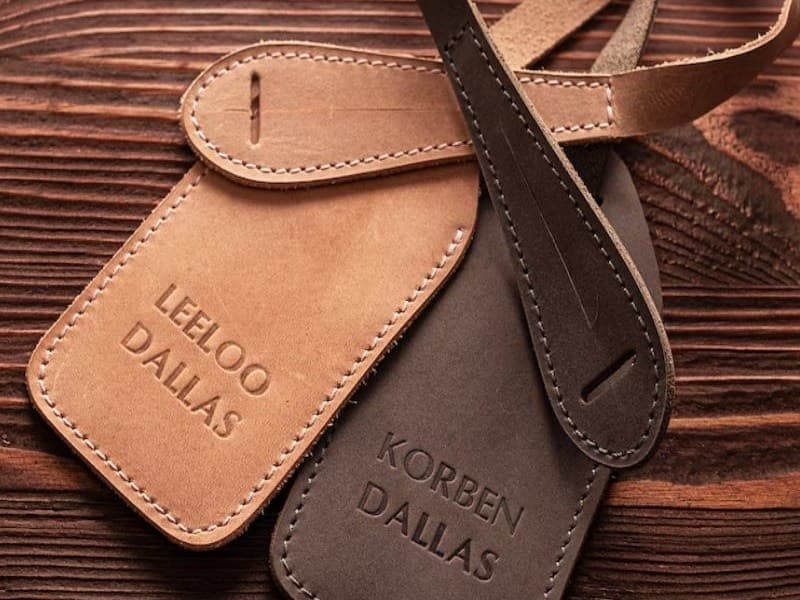
- Embossed or debossed leather/PU detail on certain designs
- Custom tag or packaging card
The best method depends on artwork, material surface, order quantity, budget, and brand style. Giftvera usually reviews the artwork before recommending the logo process because a beautiful design can look poor if applied with the wrong method.
Review decoration and packaging options in the Giftvera customization guide.
A Practical Recommendation Flow
A reseller can use this flow in client conversations:
- If the campaign is budget-conscious and natural-looking:
Start with cotton.
- If the campaign needs stronger perceived value:
Compare canvas.
- If the campaign needs foldability and easy distribution:
Consider recycled polyester.
- If the client wants sustainability messaging:
Ask what claims must be supported and verify documents.
- If the product is premium or heavy:
Request samples and check construction before approval.
This flow makes the recommendation process easier. It also shows the end client that the reseller is thinking beyond the catalog page.
Frequently Asked Questions
Are cotton bags better than canvas bags for promotional gifts?
Cotton bags are not automatically better than canvas bags. Cotton works well for lightweight, natural-feel, budget-conscious promotions. Canvas is usually better when the client wants more structure, higher perceived value, and stronger reuse potential. The right choice depends on campaign use, budget, and brand positioning.
Are recycled polyester shopping bags eco-friendly?
Recycled polyester bags can support a recycled-material story when the recycled content is documented. However, resellers should avoid broad claims like “most eco-friendly” unless the client has proper evidence. Buyers should verify supplier documents, certification copies if applicable, and any required claim language before promotion.
What is the best material for retail gift-with-purchase bags?
The best material depends on the product value and brand image. Cotton can work for casual retail gifts, canvas can support premium products, and recycled polyester can work for foldable or lightweight campaigns. Giftvera usually recommends comparing samples when the gift-with-purchase affects customer perception.
How can resellers avoid recommending a bag that feels too cheap?
Resellers should ask about the campaign purpose, product inside, recipient profile, budget, and expected reuse. They should also confirm fabric weight, size, handles, stitching, logo method, and packaging. A pre-production sample is the safest way to check whether the bag matches the brand.
What details should be included in a shopping bag inquiry?
A useful inquiry should include quantity, target budget, delivery date, destination country, bag size, material preference, logo artwork, color requirement, packaging method, and intended use. If the client is unsure, Giftvera can recommend options based on the campaign and product contents.
What does GSM mean when comparing shopping bag fabrics?
GSM means grams per square metre. Compare it alongside fibre content, weave, finish and construction. Check how the finished sample feels and carries the intended load.
Which fabric works best for a foldable event giveaway?
A lightweight woven polyester can work well when the bag needs to fold into a compact pouch. Ask for the finished packed dimensions and check the handle seams and print after repeated folding.
How can a buyer verify recycled polyester content?
Ask which part of the bag uses recycled polyester, what percentage is claimed, and which documents apply to the selected material and order. Check the supporting evidence before approving artwork or public claims.
Conclusion
Shopping bags for promotional gifts should be chosen by campaign logic, not by material names alone. Cotton is useful for natural and budget-conscious promotions. Canvas supports stronger perceived value and longer reuse potential. Recycled polyester is practical for foldable, lightweight distribution with verified recycled-material claims. Giftvera helps distributors, agencies, and corporate gift buyers compare materials, develop samples, customize logos, and manage production. Share your quantity, budget, artwork, and delivery date, and Giftvera can recommend a suitable shopping bag solution for your next promotional gift project.
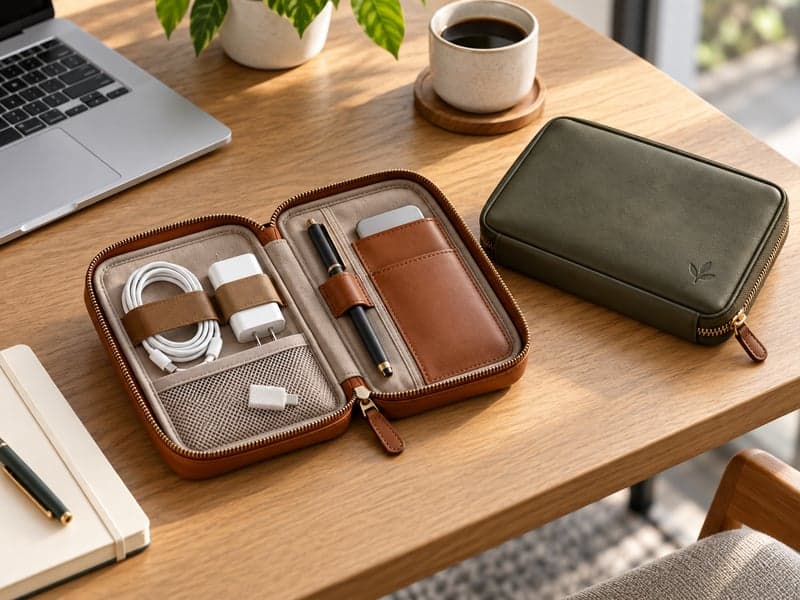
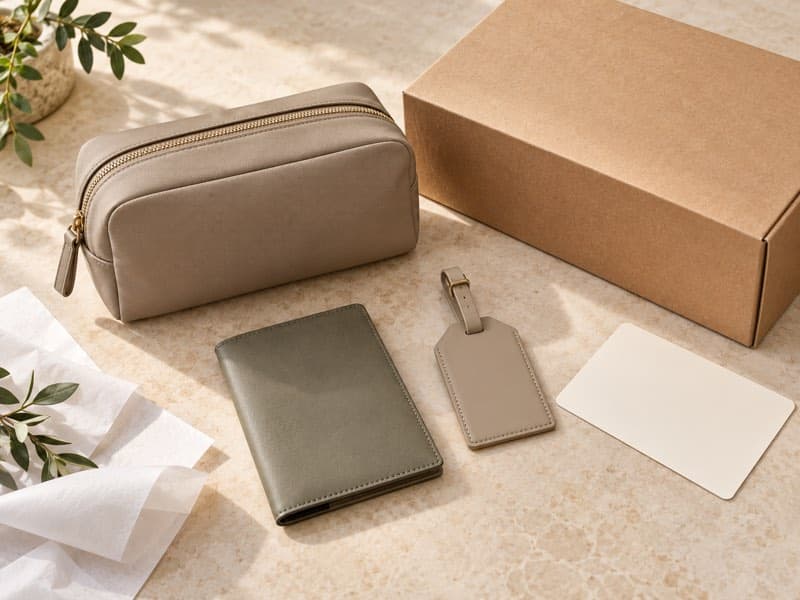
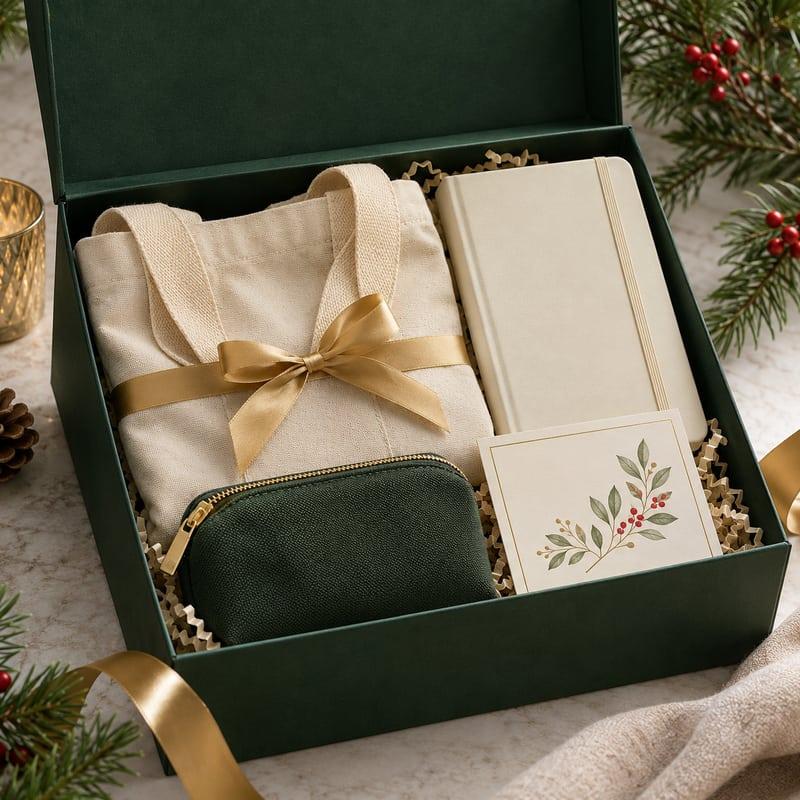
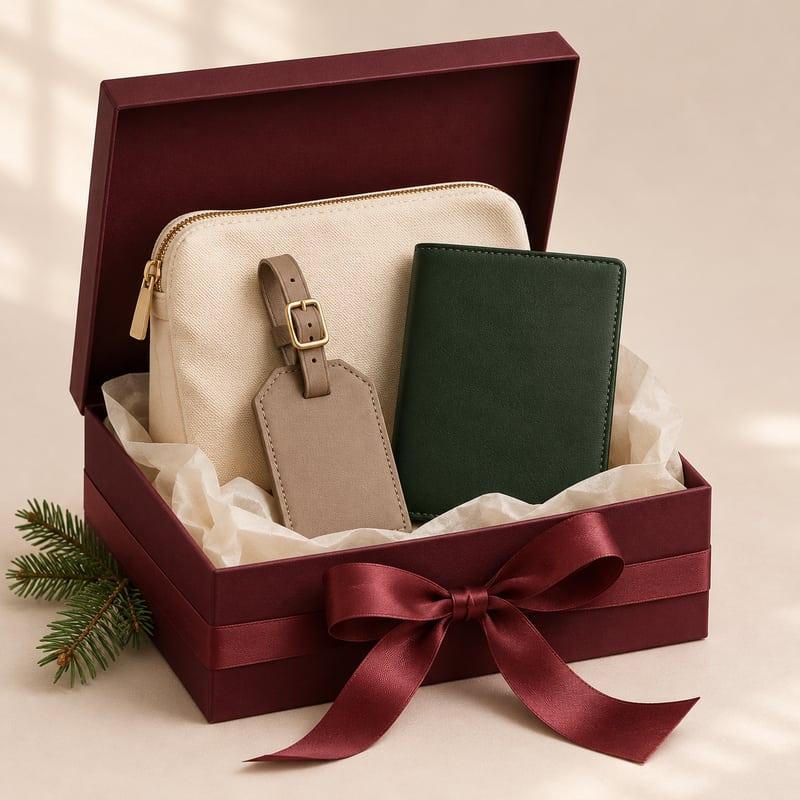
Explore Giftvera’s premium gifting options when the shopper is part of a wider kit.